

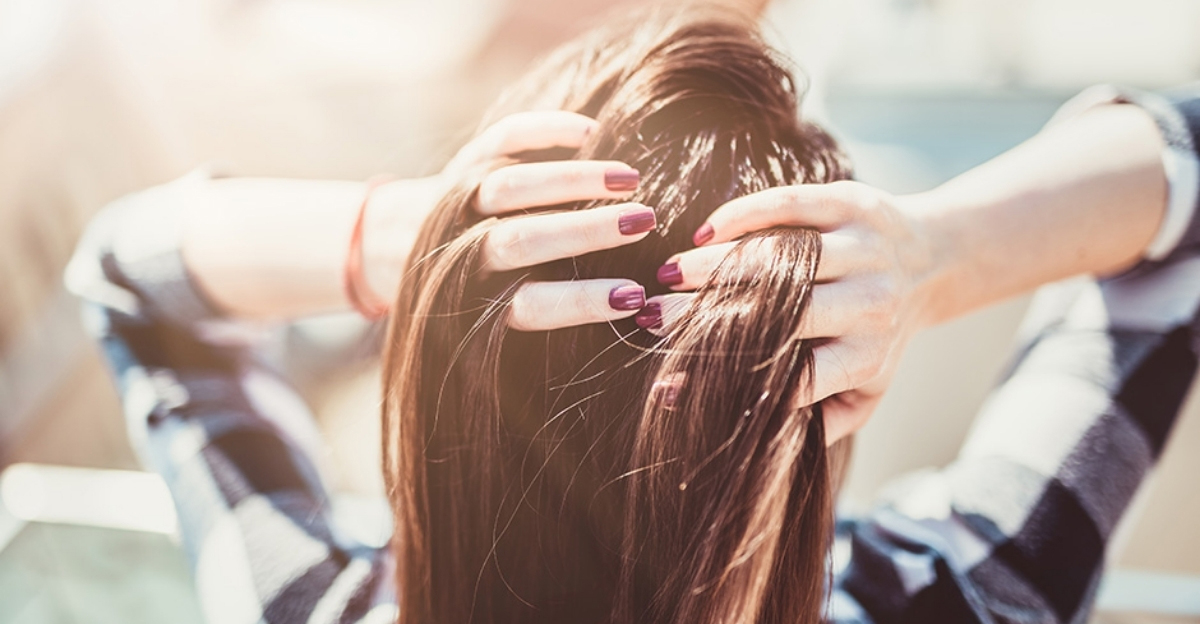
There is plenty of misinformation on the internet about sulphates in shampoos and the damage they can do to our hair and scalp health, with some sources calling for an outright ban and others claiming sulphates are not bad for hair or skin whatsoever. In reality, the extent to which sulphates are bad for hair comes down to the specific condition of your hair – for example, whether it is prone to dryness and frizzing, or whether you are already suffering from hair loss.
In this article, we will explain what sulphates are, which hair and skin conditions might be better off without them and why wig wearers especially might benefit from sulphate-free shampoo that is not bad for hair.
What Are Sulphates?
Sulphates are cleansing agents that are commonly used in soaps, shampoos and household cleaning products to create lather, which helps to remove oil and dirt from your skin, hair and surfaces around your home. These cleansing agents, known as surfactants, reduce the surface tension of water-based products, enabling them to mix with the oils and dirt on your body or in your home, washing them away with ease.
The two most common sulphate compounds used in cleaning products are Sodium Lauryl Sulphate (SLS) and Sodium Laureth Sulphate (SLES). While either compound can be found in shampoos and body washes, SLES is preferred for its larger molecular structure, which is gentler on your hair and skin. SLS, on the other hand, is the sulphate which is most widely considered bad for hair.
Why Are Sulphates Bad for Hair?
Sulphates are not inherently bad for hair, but their efficiency at removing oil from the scalp and hair follicles has contributed to their bad reputation in recent years. The human scalp is covered in sebaceous glands, primarily attached to hair follicles, which produce the natural oil sebum. This oil coats the scalp and hair to retain their moisture, protect them from environmental damage and combat bacterial skin infections.
When you wash your hair with shampoo that contains sulphates, it removes some of the sebum from your scalp. While this prevents your hair from becoming greasy, completely stripping your hair and skin of sebum can make your hair dry, frizzy or brittle, while leaving your scalp more prone to infection. Some shampoos that contain high quantities of sulphates, especially SLS, can cause direct damage to the skin, causing dryness, irritation or rashes. This is why sulphates are believed to be bad for hair.
When Should You Use Sulphate-Free Shampoo?
For most people, the sulphate content of their shampoo should not be an issue. However, these cleansing agents can be problematic for individuals with certain types of hair or skin. These include:
If you experience frizzing, colour fading or irritation across your scalp when you wash your hair with sulphate shampoo, we recommend that you look for an alternative that is kinder to your hair and skin.
Sulphate-Free Shampoos for Wig Wearers
Whether you wear your wig for fashion or to disguise hair loss or thinning, wearing your wig every day can place tension on your natural hair underneath while depriving your scalp of the oxygen it needs to fight bacterial or fungal infections. For these reasons, you may want to consider using sulphate-free shampoo to protect your natural hair and scalp while wearing your wig on successive days, as this will prevent either from becoming overly dry.
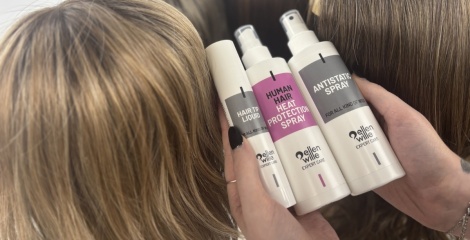
As for your wig itself, choosing wig care products that nourish its fibres is crucial to maintain its condition for as long as possible. Sulphate shampoos are especially bad for human hair wigs because they cannot replenish their natural oils or moisture, resulting in dryness and breakage. At Simply Wigs, our specialist wig shampoos are exclusively sulphate-free to ensure our customers can retain the strength, lustre and shine of their hairpieces.
For more information about how to wash human hair wigs to preserve their quality, or our insights on how to manage your natural hair after experiencing different types of alopecia, the Simply Wigs blog features numerous articles from our wig specialists as well as members of our community. Explore our blog or get in touch with us today for tailored advice from our friendly customer care team.








Comments
No comments yet. Be the first!
Leave a Comment