


From reclaiming your fabulousness after suffering from hair loss, to experimenting with new hairstyles and colours without repeated trips to the salon, human hair and synthetic wigs are becoming an increasingly popular way to keep up with the latest hair trends. Whatever your reason for wanting to explore the wonderful world of ladies’ wigs, it is important not to neglect your natural hair when wearing wigs for successive days.
In this article, we will offer our top tips on how to protect your hair under a wig, providing practical tips on choosing the right style of wig to suit your needs, as well as hair care routines and protective hairstyles to keep your locks in the best possible condition.
11 Ways to Protect Your Hair Under a Wig
1. Wear the right size wig
A common misconception among beginner wig wearers is that wigs are one size fits all, when in reality most wig manufacturers produce their wigs for average, petite and larger sized heads. Wearing a wig that is too tight around your scalp and hairline can place stress on the hair follicles, which, if uncorrected, can result in a condition called traction alopecia. While wearing too loose a wig is unlikely to cause problems for your scalp health, it can cause significant discomfort as it slides around on top of your head.
Before choosing your wig, it is important to measure your head to ensure you are purchasing the correct wig size. For more information about how to check your wig size, please refer to our wig sizing guide.
2. Wear the right type of wig
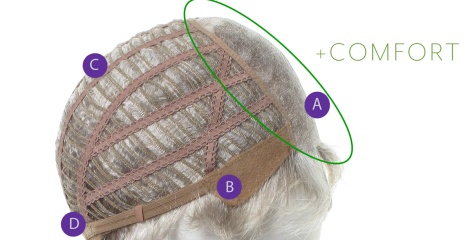
There are various types of wig cap construction available, each designed with particular comfort and styling benefits in mind. While lace front wigs allow their wearer to achieve more natural hairlines and hand-tied wigs are unmatched for their styling versatility, wefted wigs are ideal for wearers who want to protect their hair when wearing a wig.
The ventilated construction of wefted wigs supports your scalp health by allowing it to breathe, providing it with the oxygen it needs to stimulate hair growth, while preventing your follicles from becoming clogged.
3. Wear a wig cap
Even when you are wearing the correct size wig, placing it directly onto your natural hair can cause friction between your scalp and wig, weakening the follicles and eventually resulting in shedding. By wearing a wig cap, you can protect your hair from the underside of your wig, saving yourself from irritation while minimising the chance of hair breakage.
4. Massage your scalp
Wearing a wig for long periods of time can limit the blood flow to your scalp, depriving your hair follicles of essential nutrients and potentially leading to thinning or hair loss. By massaging your scalp each time you take off your wig, you can promote a healthy blood flow and encourage your hair to grow. Even if you only occasionally wear your wig, we recommend incorporating this into your hair care routine to maintain your scalp health.
5. Get regular haircuts
When you wear a wig all day, every day, it can be easy to neglect your hair and forget to get it regularly trimmed. However, split ends and damaged hair will eventually travel up the hair shaft, impacting its texture and potentially leading to hair loss. By trimming your hair every 6 to 8 weeks, you can minimise hair breakage and promote new growth.
6. Shampoo your hair
Sweat and hair product can build up over the course of a few days, which can clog your hair follicles as well as cause damage to the underside of your wig. Depending on how hot or sweaty your scalp gets throughout the day, you may need to wash your hair with shampoo once or more throughout the week to protect it under your wig.
7. Moisturise your hair
While some wig wearers suffer from sweaty or greasy scalps, others may notice their hair feeling dry or brittle after wearing their wig. By applying hair oils, moisturisers or other treatments to restore its moisture, you can ensure that your hair maintains its natural lustre.
8. Avoid damp hair
Putting on your wig while your hair is still damp from cleaning or moisturising can seriously impact your scalp health, irritating its follicles and promoting the growth of bacteria. Giving your hair the time to dry naturally before braiding and concealing it under a wig is crucial to protect your hair follicles from infections, such as folliculitis.

9. Choose a protective hairstyle
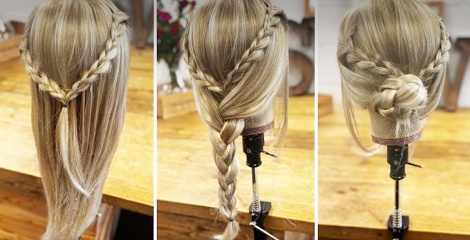
While we doubt any of the members of the Simply Wigs community are stuffing their natural hair under their wigs, it is important to be aware of the damage that braiding your hair too tightly can do to its natural fibres. Much like wearing a wig that is too small for your head, tightly braiding your hair can create tension on your scalp, eventually leading to traction alopecia. For this reason, we recommend placing your hair in loose plaits or another protective hairstyle, then securing it with hairpins to minimise the chance of hair breakage or thinning.
10. Take off your wig before bed
In addition to tangling, frizzing or otherwise damaging the fibres of your wig, sleeping in your wig can inflict tension on your natural hair, impacting your scalp health and causing breakages. Give your hair and scalp a chance to breathe by taking off your wig overnight. This can go a long way to protect your hair when regularly wearing a wig.
11. Take breaks from wearing your wig
When you wear a wig for long periods of time over multiple days, it can deprive your natural hair of the oxygen and vitamin D it needs to maintain its strength and vibrance. By taking breaks every few days, you can give your hair and scalp a healthy dose of air and sunshine, protecting them from the impact of repeated wig wearing.
Perfect Your Hair Care Routine with Simply Wigs
At Simply Wigs, we pride ourselves on providing a safe space for new and seasoned wig wearers to come together, sharing their experiences as well as insights into their wig care and hair care routines. Whether your natural hair is starting to grey, you are suffering from a hair loss condition such as alopecia, or you want to explore new hairstyles through our wig collection, our community will embrace you with open arms.
For more hair and wig care tips from our fabulous patrons, or for advice on your current hair care routine from one of our wig specialists, please contact us today or read more articles on our blog so that you can confidently protect your hair when wearing one of our wigs!











Comments (7)
Hello Pamela,
It may be advisable to put your hair into low pigtails and then clip these flat to your head under a wig cap.
If you need any assistance, please do call us on 01484 844557
Hello Pamela,
It may be advisable to put your hair into low pigtails and then clip these flat to your head under a wig cap.
If you need any assistance, please do call us on 01484 844557 🙂
I have shoulder length hair that is thin and I am balding badly. My hair is not conducive to braiding. So how do I handle my hair before putting on my wig?
Marlene,
Hi. You need to get a soft velvet like wig band, sold on Amazon. I have been wearing wigs off and on for years. I just started using the wig band earlier this year, because I noticed my hairline started rubbing/breaking off recently. It’s doing much better and I no long wear a cap underneath but I braid my hair. Some people may find it too warm in the summer months but my office is cool year round. I suggest you get two bands so you can wash one and always have a clean one. I think it holds the wig in place better also. I work in a windy downtown area with lots of high rise buildings where I used to worry about my hair whipping off, but the band holds it snuggling. I wouldn’t suggest if there is tornado type winds to be carefree though.
How do you save or keep your edges under a wig thank all.
I am losing my hair and my vanity took a sharp shock. I didnt want a wig , as such , so I bought a ‘topper’…it sits on top of your hair, secured by clips . It can be styled , washed , etc. and treated like your own hair . It is real hair , by the way . I protect it from the heat of my tongs by spraying with a product sold for just that .
I have worn it every day for 17 months. I dont use a heavy hairspray……just a little around my hairline. My. natural hair shows at the sides….it is the same colour as ‘Flossie ‘ , thats her name….lol.
I ordered to Lumina wigs. I did not know they were coming from China. I understood they were real hair but now I can’t find any site that says whether they’re real or whether there synthetic synthetic. I need to disinfect them when they come and I understand it depends on what the hair is made of as to how to disinfect it. I also understand synthetic hair only holds up for so many months and then you have to get a new one? Can you please advise me and in his do you know or can you find out if aluminum wig is real hair or if it is synthetic. The pros the cons oh, how to clean it and how to disinfect them. I currently only have one wig extension that goes over a ponytail that has braids and curls but it is real hair. I do not know anything about synthetic hair and while some people say it holds the style better, I also understand they don’t last as long and you can’t use Hot Irons or anything on them. And it says to keep out of sunlight? You’re going to be outside all summer how do you keep it out of sunlight? Any answers would be helpful
Leave a Comment