

Can Stress Cause Hair Loss? How It Happens, How Long It Lasts and How Your Hair Grows Back


What's In This Article
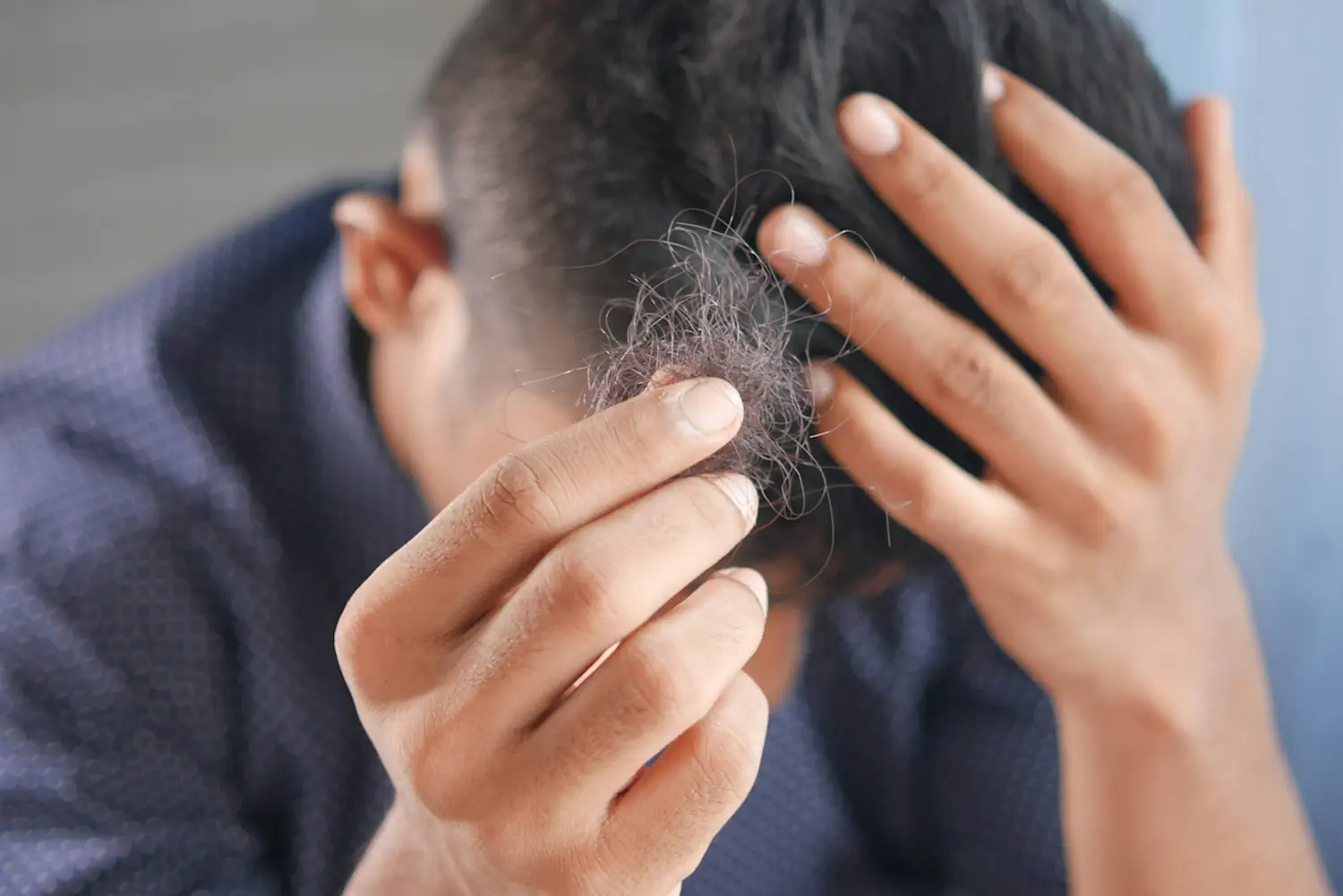
If you’ve been through a hard few months and your hair has started coming out in the shower, you’re probably asking the question in the title. Yes, stress can cause hair loss. It’s one of the most common reasons people contact us, and one of the most reassuring, because in most cases the hair grows back.
What stress hair loss doesn’t come with is a manual. People are told it’s “probably stress” and sent away to worry, which, as it turns out, makes it worse. This guide is the manual. It explains how stress affects the hair cycle, the three conditions it can trigger (including alopecia, which gets less attention than it should), how to tell stress hair loss from other kinds, how long it lasts, what helps, when to see your GP and what to ask for, and what to do about the months in between from people who have been through them.
Does Stress Cause Hair Loss? The Short Answer
Yes. Significant stress, whether emotional (bereavement, divorce, job loss, a frightening diagnosis) or physical (illness, surgery, childbirth, crash dieting), can push large numbers of hair follicles into their resting phase at once. Two to three months later, those hairs shed together and you notice thinning all over your scalp. This is called telogen effluvium and it is by far the most common form of stress hair loss. It usually settles within six months and the hair regrows. Stress can also trigger alopecia areata, which causes round bald patches, and trichotillomania, a hair-pulling condition. Anxiety on its own, without a specific event, can do the same if it’s severe and prolonged.
How Stress Causes Hair Loss: Cortisol and the Hair Cycle
Every hair on your head is on its own cycle: a growing phase that lasts years, a short transition, a resting phase of a few months, and then shedding as a new hair pushes through. At any moment around 85 to 90 per cent of your hair is growing and the rest is resting, which is why losing 50 to 100 hairs a day is normal, according to the NHS. Stress disrupts that balance. When you’re under sustained pressure, your body produces more cortisol and related stress hormones. Research published in 2021 and highlighted by the US National Institutes of Health found that in mice, the stress hormone corticosterone (the equivalent of cortisol in people) kept hair follicle stem cells in a prolonged resting state and stopped new growth from starting. Human hair is more complicated than mouse hair and the researchers were careful to say so, but it matches what dermatologists see: a stressful period, then, a few months later, a lot of hair entering the resting phase and shedding together.
The delay is the part that catches people out. The hair that falls out in June entered its resting phase in March. If you can look back two to three months from when the shedding started and find the trigger, you’re usually looking at stress hair loss.
Telogen Effluvium: Diffuse Shedding
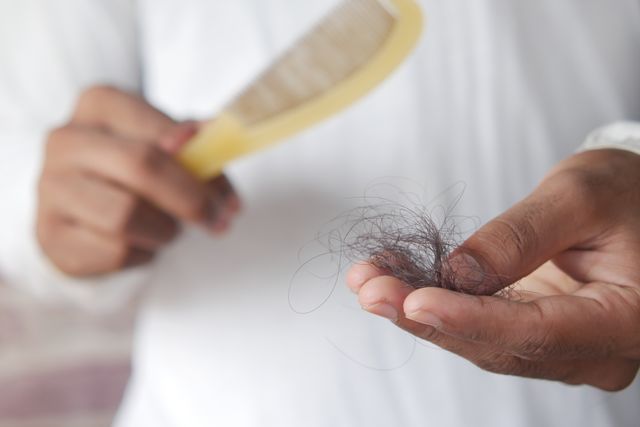
The one described above, and the most common by a long way. More hair than usual comes out when you wash and brush, your ponytail feels thinner, your parting looks wider, but there are no bald patches and your hairline stays where it was. The British Association of Dermatologists describes it as a temporary condition that usually resolves on its own once the trigger has passed. If it lasts longer than six months it’s called chronic telogen effluvium and is worth a GP visit to look for an ongoing cause.
Alopecia Areata: Patches
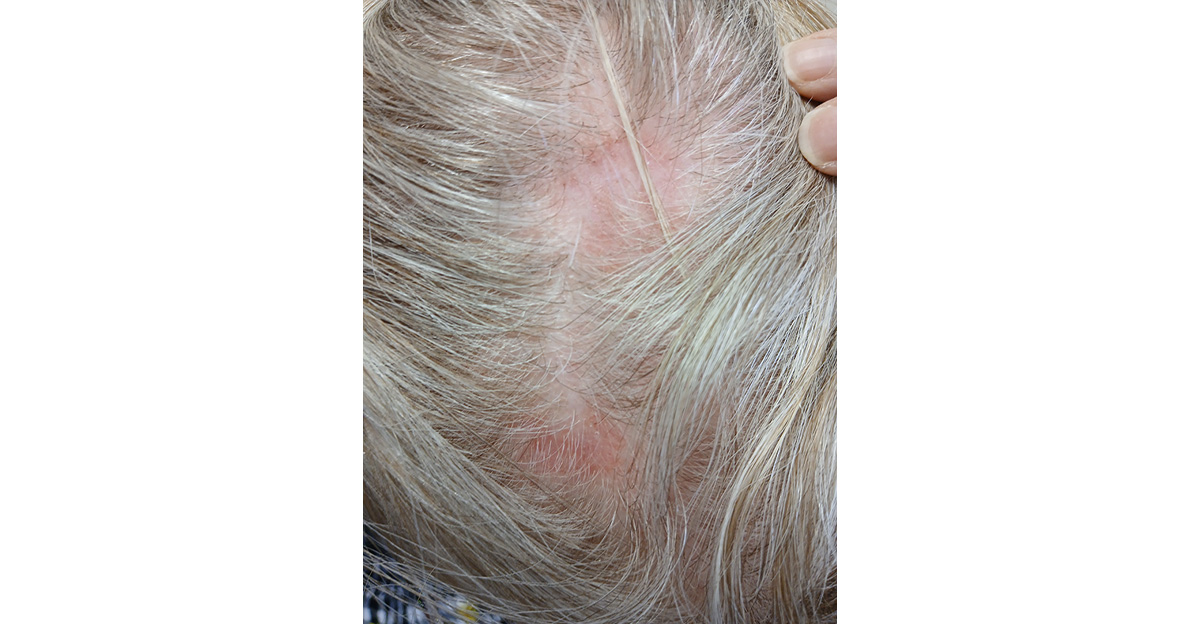
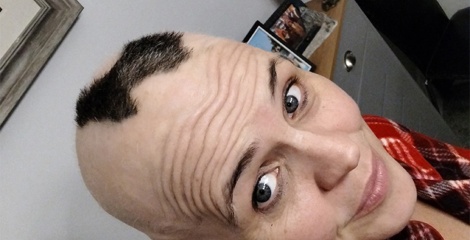
An autoimmune condition in which the immune system attacks hair follicles, causing smooth, round or oval bald patches, usually on the scalp, sometimes in the beard, brows or lashes. Stress is thought to be one possible trigger among several, and many people can recall a stressful event in the weeks before their first patch. There’s a fuller section on this below.
Trichotillomania: Pulling
A recognised mental health condition in which a person pulls out their own hair, often in response to stress or anxiety, sometimes without being aware of it. The hair loss is usually in irregular patches with broken hairs of different lengths. It is treatable, and we published a full guide to trichotillomania, its symptoms and how to manage hair pulling this month.
Can Stress Cause Alopecia?
This is the question we’re asked most, so it deserves a proper answer rather than a line. “Alopecia” just means hair loss, so in that sense stress can cause alopecia: telogen effluvium is a form of it. But most people asking mean alopecia areata, the patchy, autoimmune kind, and the answer there is more careful.
Alopecia areata is caused by the immune system, not by stress. Genetics play a large part; it runs in families and is linked with other autoimmune conditions. What stress may do, according to the British Association of Dermatologists and Alopecia UK, is act as a trigger: a severe stressful event seems to set the condition off in some people who were already susceptible, and flare-ups sometimes follow stressful periods. The evidence is mixed, and plenty of people develop alopecia areata with no stress at all. So how does stress cause alopecia? It doesn’t, exactly. It may be the match; it isn’t the fuel.
Why this matters: if your hair loss is in round patches, managing stress is a good thing to do, but it isn’t a treatment. Alopecia areata needs a GP or dermatologist, and there are treatments that can help. For severe cases, NICE now recommends ritlecitinib on the NHS for people aged 12 and over. Our complete guide to alopecia types explains the condition, and Alopecia UK has a helpline and local groups.
Physical Stress Counts Too
Your body doesn’t distinguish between a divorce and a hip replacement. Both are stress, and both can cause telogen effluvium on the same two-to-three-month delay. Common physical triggers our customers describe:
- Surgery and general anaesthetic. Hair loss after surgery is common enough that some hospitals warn about it.
- Illness with a high fever, including flu and Covid. Hair loss after Covid was widely reported during the pandemic and follows the same pattern.
- Childbirth. The drop in hormones after delivery sends a large number of hairs into resting phase at once. Our guide to hair loss after pregnancy covers it.
- Rapid weight loss or crash dieting, and sudden changes of diet, including going vegan or vegetarian without planning.
- Stopping or starting certain medications, including some contraceptives. Ask your GP or pharmacist.
- Lack of sleep. Can lack of sleep cause hair loss? On its own, rarely, but chronic poor sleep raises cortisol and lowers your resilience to everything else on this list. The NHS recommends seven to nine hours for most adults.
What Stress Hair Loss Looks Like, and What It Doesn't
The most useful thing you can do before seeing a GP is work out which pattern you’re looking at. This table is a guide, not a diagnosis.
On a phone, swipe sideways to see all four types.
| Feature | Stress (telogen effluvium) | Alopecia areata | Pattern hair loss | Traction alopecia |
|---|---|---|---|---|
| Pattern | Thinning all over; wider parting; thinner ponytail | Smooth round or oval bald patches | Gradual thinning at crown and parting (women) or temples and crown (men) | Thinning at the hairline and temples where hair is pulled |
| Onset | Sudden, 2 to 3 months after a trigger | Sudden; patches can appear in days | Gradual over years | Gradual, linked to tight styles |
| Shedding | Noticeably more hair in brush and shower | Hair comes out at the patch edge | Little obvious shedding | Breakage more than shedding |
| Hairline | Unchanged | May be affected if a patch is there | Recedes (men); usually preserved (women) | Recedes where tension is |
| Usual course | Settles in 3 to 6 months; regrows over a year | Often regrows; can recur | Progressive without treatment | Reversible early; permanent if prolonged |
| Who to see | GP if it lasts beyond 6 months or you’re unsure | GP or dermatologist | GP; treatments exist | Change the styling; GP if no improvement |
How Long Does Stress Hair Loss Last?
For telogen effluvium, the usual course is: shedding starts two to three months after the trigger, continues for three to six months, then slows as the follicles return to the growing phase. New hair appears as fine, short regrowth along the parting and hairline, and takes six to twelve months to reach a length where the thinning is no longer obvious. Most people are back to normal density within a year of the shedding starting.
If the stress is ongoing, so is the shedding. Chronic telogen effluvium (more than six months) is common in people under sustained pressure and in those with an unresolved physical cause such as low iron or a thyroid problem, which is why it’s worth a GP visit rather than waiting.
Alopecia areata is less predictable. Many people see regrowth within a year, often white or fine at first; it can recur; a minority progress to more extensive loss. Trichotillomania resolves as the pulling is treated.
Will My Hair Grow Back?
With telogen effluvium, almost always yes. The follicles are not damaged; they’re resting. Once the trigger is resolved, they restart. The hair that regrows is your own hair, the same colour and texture, though the first growth can be finer and takes a while to catch up with the rest. With alopecia areata, regrowth is common but not guaranteed, and a dermatologist is the right person to ask about your case. With trichotillomania, hair regrows once pulling stops, unless pulling has been severe and prolonged enough to scar the follicle.
How to Stop Stress Hair Loss: What Helps
There’s no treatment that switches telogen effluvium off, and anyone selling you one is selling. What there is, according to the NHS and the dermatologists we read, is a set of things that shorten it and support regrowth.
- Deal with the stress, or let time deal with it. Sometimes the trigger has passed and your hair is simply catching up. Sometimes it hasn’t, and talking therapy, a GP’s support or Mind can help. Mindfulness, exercise and time outdoors all lower cortisol; none of them are a cure, all of them help.
- Sleep seven to nine hours. The NHS’s sleep guidance is practical and free.
- Eat properly. Stress makes people skip meals, and low iron, protein, B12 and vitamin D all prolong shedding. A balanced diet is enough for most people; a blood test tells you if it isn’t.
- Be gentle with the hair you have. Loose styles, no tight ponytails or extensions, minimal heat, a soft brush. Shedding hair is already on its way out; you don’t need to hurry it.
- Be careful with supplements. Only take iron if a test shows you’re low. High doses of some vitamins and minerals (Vitamin A, selenium) can cause hair loss. Biotin helps only if you’re deficient, which is rare.
- Ask for advice if shedding continues. If shedding lasts longer than six months, speak to your GP about possible ongoing causes and whether you need a dermatologist’s assessment. Treatment will depend on what’s causing the hair loss.
When to See Your GP, and What to Ask
See your GP if hair loss is sudden, patchy, lasts more than six months, comes with other symptoms (tiredness, weight change, scalp pain or scaling), or is affecting how you feel. These are the questions and tests that usually get to the bottom of it:
- When did the shedding start, and what happened two to three months before? Take a note.
- A full blood count and ferritin (stored iron), with the actual figure
- Thyroid function (TSH), because thyroid problems are a common cause of hair loss and easy to miss
- Vitamin B12, folate and vitamin D
- Whether any medication you take could be a cause
- Whether a referral to a dermatologist is appropriate, particularly for patchy loss
The NHS hair loss page sets out what the NHS can and can’t offer. Telogen effluvium usually needs no treatment; alopecia areata and pattern hair loss have options.
Stress Hair Loss in Men and in Women
In women
Telogen effluvium is more often noticed by women, partly because longer hair makes shedding more visible and partly because childbirth, hormonal changes and iron deficiency are common triggers. Stress hair loss in women shows as a wider parting and a thinner ponytail, not a receding hairline. If the hairline is receding or the crown is thinning gradually, that’s more likely female pattern hair loss, which stress can make more noticeable but doesn’t cause. Our guide to hormones and hair loss covers the overlap.
In men
Stress hair loss in men follows the same pattern of diffuse shedding, but it’s often mistaken for male pattern baldness or assumed to be the start of it. The difference: pattern baldness recedes at the temples and thins at the crown over years; stress shedding is all over and sudden. The two can coexist, and a stressful period can make existing pattern loss more obvious. If you’re unsure, a GP can usually tell by looking. Our male wig wearers section covers options if you want them.
The Vicious Cycle, and the Months in Between
Here is the part the medical pages leave out. Losing your hair is stressful. Watching it come out every morning, measuring your parting, scrolling for answers at 2am: all of that is stress, and stress is what started it. Many of our customers describe hair loss that began with a bereavement or a divorce and then kept going because the hair loss itself became the thing they couldn’t stop worrying about.
Breaking that cycle is partly about believing it will grow back, and partly about not having to think about it every day while it does. Over nearly 20 years we’ve learned that the people who cope best are the ones who do something practical early, rather than waiting and watching. A few options, from least to most:
- A different parting or a slightly shorter cut makes diffuse thinning far less visible. Ask a hairdresser; it costs nothing to try.
- A hair topper, a small clip-in piece that sits over the parting and crown, is designed for exactly the kind of all-over thinning telogen effluvium causes. It’s light, it’s cool, it uses your own hair, and it comes out at night. Most people who try one wish they’d done it sooner. Our guide to hairpieces and wigs for thinning hair explains how they work, and hair toppers are here.
- Headwear, soft turbans and caps designed for hair loss, is comfortable, puts no strain on the hair you have, and can be as plain or as beautiful as you like.
- A wig, if the loss is extensive or you’d simply rather not think about it for a few months. A good synthetic wig gives you your look back in a morning. Our 15 best wigs for beginners is the gentlest place to start, and if you’d like to see what suits you, book a free appointment in Slaithwaite.
- Talking to people who’ve been there. Our community is full of them, and Alopecia UK runs groups across the country.
None of these is giving in. They’re ways of taking the daily reminder off the table so that the stress has one less thing to feed on. Our guide to coping with hair loss and rebuilding your confidence goes deeper if you’d like it to.
Frequently Asked Questions About Stress Hair Loss
Stress-related hair loss raises a lot of worries, and these are the questions we're asked most in our Slaithwaite shop and on the phone. If your situation isn't covered here, your GP is the best first step, and our team is always happy to talk.
- Does stress cause hair loss?
-
Yes. Severe or prolonged stress, emotional or physical, can push many hairs into their resting phase at once, causing diffuse shedding two to three months later. This is telogen effluvium and it usually resolves within six months. Stress can also trigger alopecia areata and trichotillomania.
- Can stress cause alopecia?
-
Stress can trigger alopecia areata in people who are already susceptible, and may cause flare-ups, but the condition is autoimmune and genetic rather than caused by stress. Patchy hair loss needs a GP or dermatologist, not only stress management.
- How long does stress hair loss last?
-
Shedding typically starts two to three months after the trigger and continues for three to six months. Regrowth follows over six to twelve months. If shedding lasts more than six months, see your GP.
- Will hair grow back after stress?
-
With telogen effluvium, almost always. The follicles are resting, not damaged, and restart once the stress resolves. Regrowth is your own hair and may be fine at first.
- Can anxiety cause hair loss?
-
Yes, if it’s severe and prolonged enough to raise stress hormones over months. Anxiety about the hair loss itself can also prolong it, which is why practical ways of managing appearance help.
- How do I know if my hair loss is from stress?
-
Stress hair loss is sudden, all over the scalp, with more hair than usual in your brush and shower, no bald patches and an unchanged hairline, starting two to three months after a stressful event. Patches, a receding hairline or gradual thinning over years point elsewhere. A GP can confirm.
- Can lack of sleep cause hair loss?
-
Poor sleep alone rarely causes hair loss, but chronic sleep loss raises cortisol and makes you more vulnerable to other triggers. The NHS recommends seven to nine hours.
- Can stress cause grey hair?
-
Possibly. A 2020 Harvard study found stress depleted the pigment-producing stem cells in mice, and a small 2021 study suggested some stress-related greying in people can reverse when the stress lifts. The evidence is early.
Where to Get Support
- NHS: hair loss for when to see a GP and what the NHS offers
- British Association of Dermatologists patient leaflets on telogen effluvium and alopecia areata
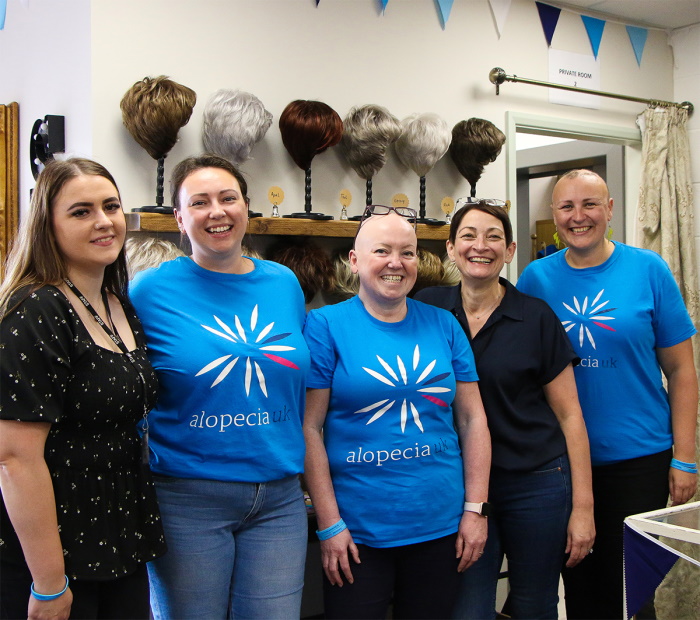
- Alopecia UK for alopecia areata support, a helpline and local groups
- Mind for stress and anxiety
- Samaritans on 116 123, free, any time, if things feel too much
And us. We’re not doctors, but we have had this conversation thousands of times and we’re good at the part that comes after the diagnosis. Get in touch or call 01484 844557. We can help with the meantime.




Comments
No comments yet. Be the first!
Leave a Comment