

Best Hair Toppers for Women: Styles, Bases & Expert Advice


What's In This Article
If you’re looking for a hair topper, it’s tempting to start with the colour or hairstyle you like best. But there’s something just as important to consider: the base underneath the hair. This helps determine how natural your topper looks at the parting, how it feels against your head, and where it provides coverage.
At Simply Wigs, we know that choosing alternative hair is personal. Some customers want a little extra fullness around their parting, while others need more coverage at the crown. The best hair topper isn’t necessarily the most expensive or the one with the longest hair; it’s the one that works with your hair, your preferred style and your everyday routine.
What are the Best Hair Toppers for Women
For a realistic-looking parting, a monofilament topper can be a good choice. A lace front can help when the front hairline is visible, while double monofilament or hand-tied construction may provide a softer feel and natural movement. Wefted areas can offer structure and volume, and French-drawn bases conceal knots for a particularly discreet scalp appearance. None is automatically best for everyone: the amount of coverage you need and how safely the topper attaches matter just as much.
New to hair toppers? Start with our simple hair topper buying guide, which explains how to measure your coverage area, match your colour and choose the right fibre. Here, we’ll concentrate on the most useful topper designs and examples from the Simply Wigs range.
How to choose the best hair topper for your needs
Before comparing individual styles, think about what you’d like your topper to do. Is the thinning mainly along your parting? Do you want to cover your crown? Are you hoping for extra volume, a fuller fringe or more coverage across the top of your head?
A small, discreet parting topper and a larger-coverage hair enhancer can look quite different, even when they’re made from the same fibre. A beautiful base won’t be the right choice if it doesn’t extend far enough beyond the thinning area or the clips would need to attach to fragile hair.
Also consider whether you’d prefer human hair, which offers more styling flexibility, or synthetic fibre, which usually keeps its set shape with less day-to-day work. Heat-friendly synthetic fibre is another option, but only within the manufacturer’s permitted temperature limits.
Hair topper base types compared
The base is the foundation of your hair topper. It’s the section that sits against your head, holds the fibres in place and carries clips or other attachment features. Understanding the different constructions makes it much easier to recognise why two toppers with a similar hairstyle might look, feel and cost quite differently.
| Base construction | Main advantage | Points to consider |
|---|---|---|
| Single monofilament | Natural-looking parting or crown | Check whether the monofilament covers the part, top or entire base |
| Double monofilament | Softer layer against the scalp, with a realistic-looking top | Extra construction may feel less airy to some wearers |
| Lace front | Softer-looking front hairline | Most useful when the front edge will be visible |
| Wefted | Structure and volume; open wefts may improve airflow | Less realistic as a fully exposed parting |
| Hand-tied | Soft movement and flexible styling in hand-tied areas | Can be more delicate and often costs more |
| French-drawn / silk-style | Conceals knots for a smooth scalp-like finish | Usually a more premium, layered construction |
| PU edge or tabs | May support specific attachment options | Use tape or adhesive only when the product permits it |
Simply Wigs top tip: Look for photographs of the underside of the topper, not just the finished hairstyle. The base dimensions, construction and clip positions can tell you more about suitability than a model photograph alone.
Understanding hair topper bases
1. Single monofilament: a realistic-looking parting
A monofilament base uses a fine, sheer material with hairs individually attached in the monofilament area. The material allows some of your scalp colour to show through, helping the hair appear to grow naturally from the head. This can be particularly useful when the top or parting is visible. Some toppers have a monofilament part in one defined area; others have a wider monofilament top that allows more flexibility in where you part the hair. The precise movement and parting options depend on the design, so always check the individual product.
Worth knowing: Monofilament helps create the appearance of a scalp, but it doesn’t automatically mean a topper is softer, lighter or suitable for a sensitive scalp. Look at the materials around the base and where the clips sit, too.
2. Double monofilament: a softer layer against the head
A double monofilament base adds another layer beneath the hand-tied top. This can help soften the feel against the scalp and reduce the visibility of knots from underneath while keeping a natural-looking parting. It may appeal to customers who value comfort and want a more substantial area of coverage. The trade-off is that the extra layer may feel a little less airy than a very fine single-monofilament construction. It’s a question of preference rather than one design being better for everyone.
3. Lace front: useful when the front hairline is visible
A lace front uses fine lace at the front edge of a topper, with hairs attached to make the transition at the forehead look softer. This matters most if the topper is designed to be worn close to your natural front hairline or swept away from your face. Not all hair toppers need a lace front. If your own front hairline is healthy and visible, a topper that sits further back may blend beautifully without one. Equally, a lace front won’t solve the problem of a base that’s too small or poorly positioned.
4. Wefted construction: structure, airflow and volume
Wefts are rows of hair attached to narrow strips of material. An open-wefted design may allow more airflow, while a closed or denser wefted arrangement can give more structure and coverage. Wefting can be a practical choice for adding volume, and it is often combined with a monofilament top. Because wefts don’t create the same scalp effect as individually tied monofilament hair, they’re generally less suitable as the main visible parting area. The finished appearance depends on the styling and how the construction is combined.
5. Hand-tied sections: natural movement
With hand-tied construction, hairs are attached individually rather than only in machine-sewn rows. This can give a softer fall and greater freedom of movement. A topper may be fully hand-tied, or it may combine a hand-tied top with wefted sides or back. This wording is important: hand-tied, monofilament and lace front describe related but different features, and a piece can include more than one.
6. French-drawn or silk-style tops: hiding the knots
Some premium toppers use a French-drawn construction with layered materials that help conceal the knots where the hairs are secured. This creates the appearance of hair emerging through a smooth, scalp-like surface. The result can be particularly convincing around a visible parting, although these designs can involve more layers and usually cost more. If a very natural scalp appearance is your priority, they’re worth comparing with conventional monofilament toppers.
Our earlier article, Natural Toppers Using French Drawn Knotting, shows how this construction works.
7. Polyurethane edges and attachment areas
You may also notice the term PU or polyurethane perimeter in a topper description. This isn’t a separate hairstyle or fibre type. It’s a smooth coated area, often around the edge of a base, that certain designs use to support clips or manufacturer-approved adhesive attachment.
Not every PU area is intended for tape, and not every topper can safely be converted from clips to adhesive. If clip attachment isn’t suitable for your own hair or scalp, ask for advice about a specifically compatible piece rather than modifying one yourself.
1. Famous by Ellen Wille
For human hair and a softly blended front
Best for: Customers seeking human hair styling flexibility and a discreet-looking front, provided the clips can be attached without tension.
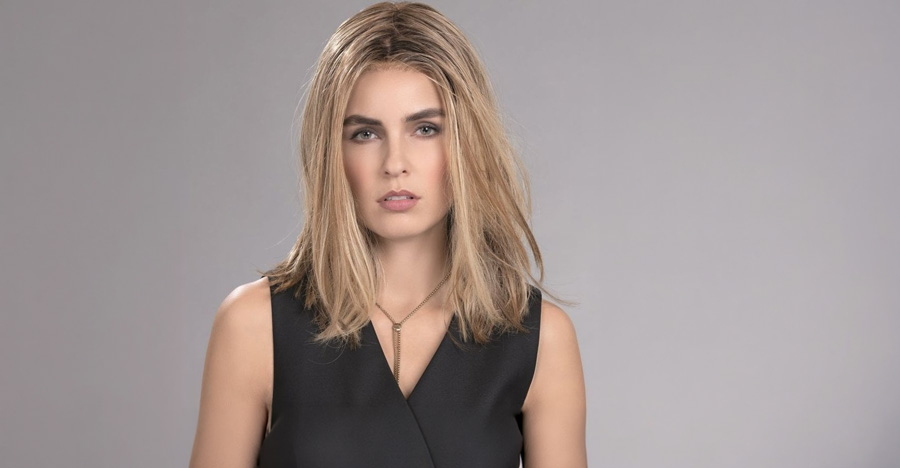
The Famous Human Hair Top Piece by Ellen Wille is a useful example of a higher-end human hair enhancer. Its Remy human hair can be styled with suitable tools and aftercare, while the base combines a hand-tied inner area with a small lace front for a softer-looking front edge.
Why consider it? If you like changing your hairstyle and want a top piece that can blend with a styled front hairline, this is worth exploring. The approximately 15 × 17 cm base is larger than a narrow parting piece, so it needs to suit your coverage area and attachment points.
Take a look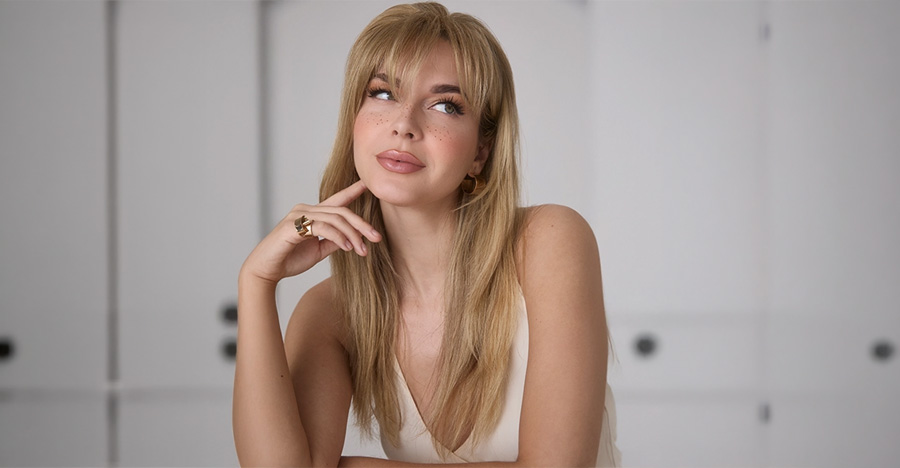
2. Fringe Flair by Amore
For easily adding a fringe
Best for: Customers who want fringe volume or a different front style without replacing all their hair.
The Fringe Flair Hairpiece by Amore, René of Paris is designed for a different purpose: giving more shape and fullness around the fringe. Its compact construction fastens with three pressure clips and can be blended or carefully trimmed to suit your existing hairstyle.
Why consider it? It’s a good reminder that not every piece needs to cover the crown. If your main concern is the front, a purpose-made fringe piece may be more appropriate than a large topper.
Take a look
3. New Addition by René of Paris
For shorter hair
Best for: Shorter styles needing extra volume and partial coverage rather than a full wig.
The New Addition Hair Enhancer by René of Paris is a short enhancement piece designed to blend into existing hair and add discreet fullness. It attaches with four pressure clips.
Why consider it? Long hairpieces aren’t always the answer. For a shorter haircut, choosing a piece with the right length and density may produce a more believable result than buying something long and attempting to reshape it completely.
Take a look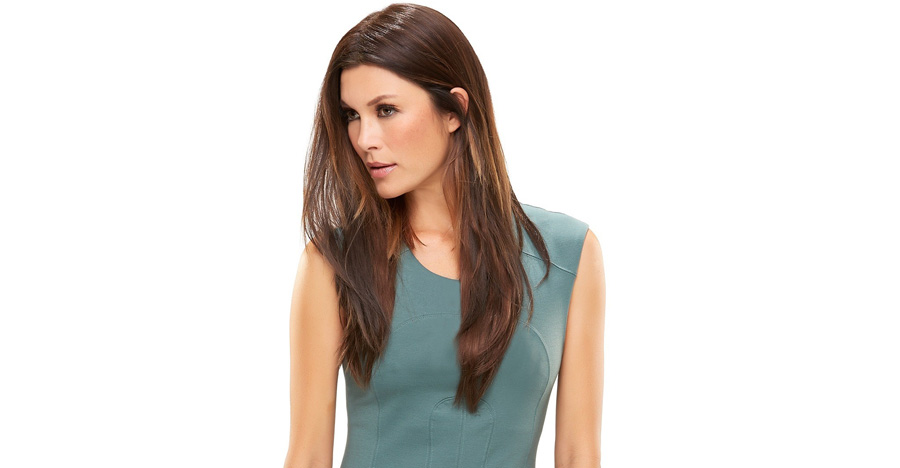
4. easiPart 18" HD by Jon Renau
For a longer, flexible style
Best for: Someone with longer hair who wants discreet parting coverage and some controlled styling flexibility.
The easiPart 18″ HD Hair Enhancer by Jon Renau combines longer heat-friendly synthetic fibre with a monofilament base. Its narrow base is designed for parting-area enhancement, rather than extensive coverage across the whole top of the head.
Why consider it? It demonstrates why hair length and base size are two separate measurements. A long topper can still have a comparatively narrow area of coverage. The heat-friendly fibre offers styling options, but only within the manufacturer’s instructions.
Take a look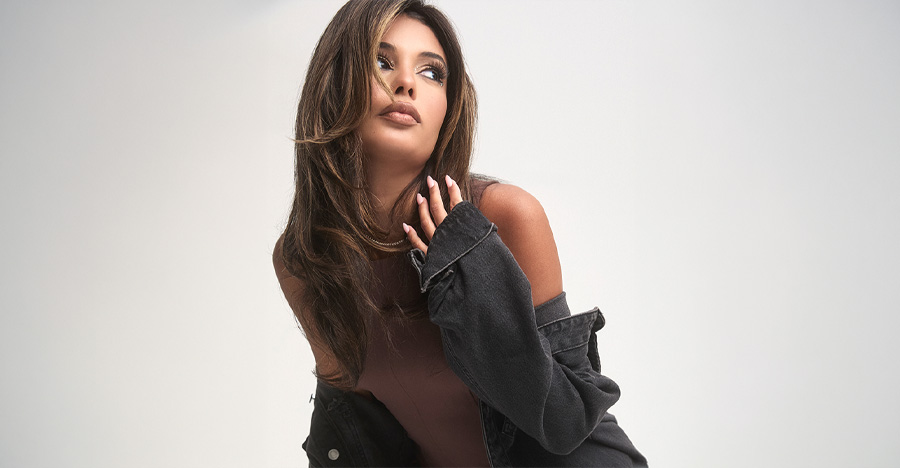
5. Long Top by René of Paris
For a ready-styled synthetic look
Best for: Customers who want longer synthetic coverage with relatively straightforward maintenance.
The Long Top Hair Enhancer by René of Paris uses standard synthetic fibre and pressure clips to provide additional hair and volume at the top.
Why consider it? If you prefer a style that keeps its shape without regular heat styling, standard synthetic fibre can be convenient. This particular product must not be styled with heated tools, so it’s important to check how its existing texture will work with your own hair.
Take a look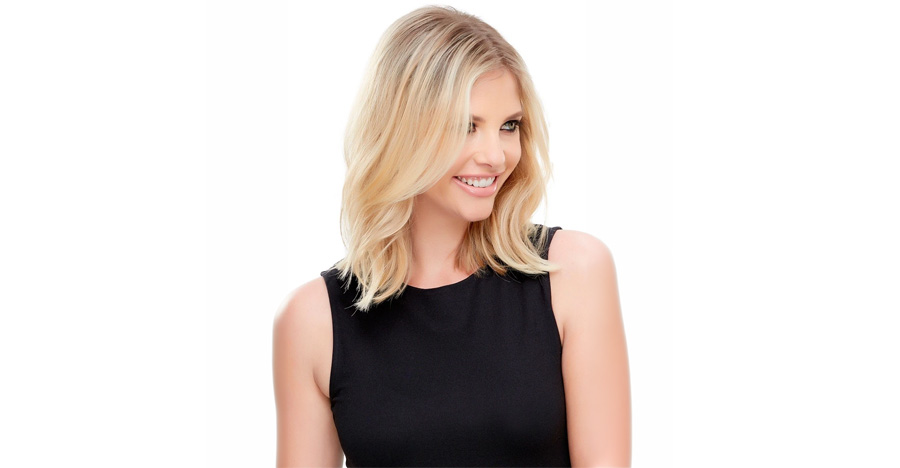
6. easiCrown 12" HD by Jon Renau
For thinning towards the crown
Best for: Those looking for crown volume or coverage where a full wig isn’t needed.
The easiCrown 12″ HD Hair Enhancer by Jon Renau is designed to add coverage and fullness further back on the top of the head. It uses a monofilament base and heat-friendly synthetic fibre.
Why consider it? A topper designed for the crown may be much more suitable than a narrow parting piece if the thinning sits further back. Look carefully at the shape and position of the base, not just the overall dimensions.
Take a look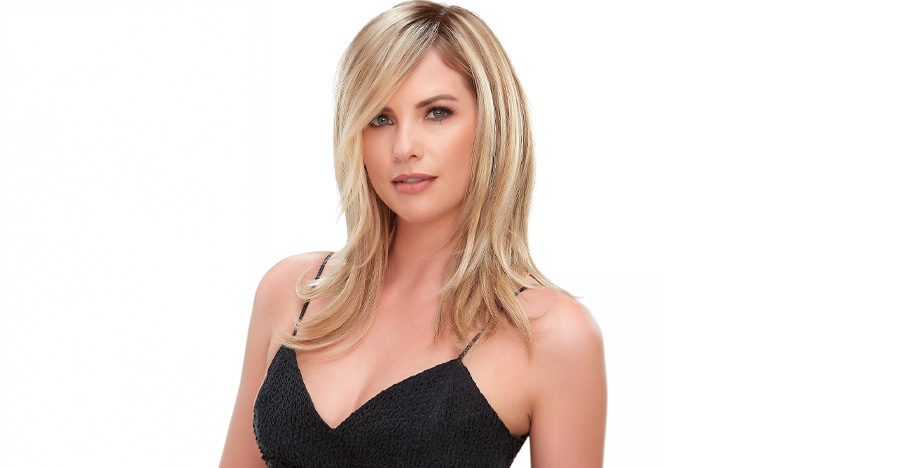
7. Top Full 12" by Jon Renau
For a larger area of coverage
Best for: Customers needing more top coverage who still have enough healthy hair for the intended attachment method.
The Top Full 12″ Hair Enhancer by Jon Renau offers a considerably fuller base, with double monofilament and hand-tied construction. It’s a useful comparison against smaller, parting-focused toppers.
Why consider it? If thinning covers much of the top of your head, a larger base may give a more balanced result. However, bigger isn’t always better: the clips still need suitable hair to attach to, and some people with extensive hair loss will find a full wig more appropriate.
Take a look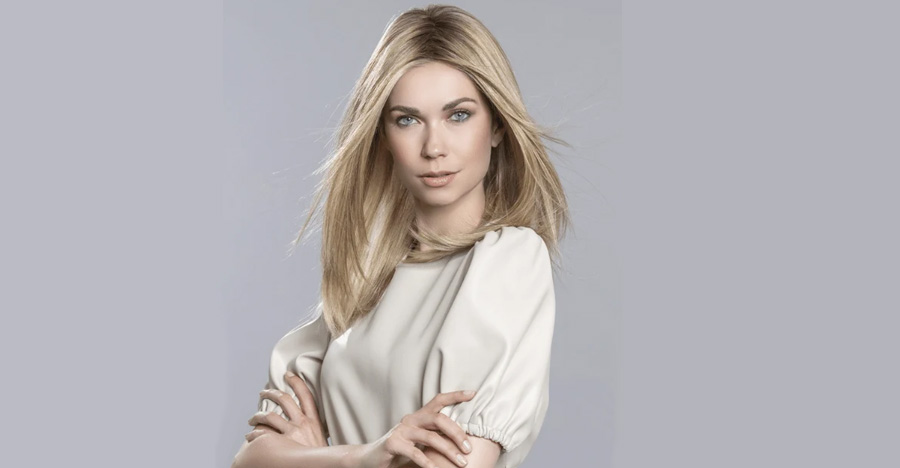
8. Dream by Ellen Wille
For heat-friendly synthetic styling
Best for: Customers who enjoy changing the finish of a synthetic topper without choosing human hair.
The Dream Hair Enhancer by Ellen Wille Top Power uses heat-friendly fibre and a fine monofilament construction. It has a longer, gently layered look that can be styled within the manufacturer’s heat limits.
Why consider it? Heat-friendly fibre offers an option between the convenience of a pre-styled synthetic piece and the flexibility of human hair. It still needs fibre-specific care, and heat-friendly doesn’t mean heat-proof.
Take a lookWhat makes a hair topper look natural?
There isn’t one construction that guarantees an invisible finish. Base design, colour, density, placement and styling all contribute to how well a topper blends with your own hair.
- Match the coverage to the thinning area. An undersized base can leave gaps, while an unnecessarily large one may be difficult to blend.
- Look closely at the parting. Monofilament and French-drawn constructions can give a scalp-like appearance when the top is visible.
- Consider the front edge. A lace front may help if your topper will be worn at the hairline; otherwise, your natural hairline may do the blending for you.
- Choose a believable density. A very full piece over fine natural hair can create an abrupt contrast.
- Match colour and texture, not just length. Root shade, highlights, curls and movement all matter.
- Look at genuine customer photographs. These can be more useful than perfectly styled product images, especially when paired with underside and base photographs.
To see how other customers wear their toppers, visit our Discover the Fabulous World of Toppers article.
Once you’ve found a topper you love, our step-by-step hair topper styling guide explains how to fit, blend and style it for a natural-looking finish.
What if your natural hair is thin or fragile?
A topper should never need to be pulled tightly to stay in place. Pressure clips can put tension on delicate hair, particularly when the same area is used repeatedly. If clips cause discomfort, breakage or worsening thinning, stop wearing the piece that way and ask for advice.
Some products are designed with different attachment options, but don’t assume that tape or adhesive is safe for every base or scalp. A fuller topper, a specialist attachment method or a full wig may be more suitable if there isn’t enough healthy hair for clips.
For the practical steps involved in choosing and fitting a topper, read our Hair Toppers Buying Guide. If hair loss is new, painful or progressing, seek advice from your GP or dermatologist.
Frequently asked questions about the best hair toppers
If you've narrowed down the style you like but are still unsure about the construction, these answers may help you compare your options.
- What is the most natural-looking hair topper?
-
A well-matched topper with a suitable base size, realistic density and a convincing parting is usually more important than any single brand or fibre. Monofilament, lace front and French-drawn designs each offer different ways to make visible areas look more natural. Your colour match and blending are equally important.
- Is a monofilament topper better than a wefted topper?
-
Not always. Monofilament is particularly useful for a natural-looking parting. Wefting can add structure and volume, and open wefts may improve airflow. Many successful designs combine a monofilament top with wefted areas, so it’s worth considering the whole base rather than one material on its own.
- Is double monofilament worth the extra cost?
-
It may be if you prefer a softer layer against your scalp and want a realistic-looking top. But extra layers can feel different from a fine single-monofilament base. Comfort is personal, so compare the construction and, where possible, how it feels when fitted.
- What is the best hair topper for thinning at the crown?
-
Look for a base whose shape and dimensions cover the thinning crown area, with attachment points that can sit on healthy hair. Crown-focused designs such as the easiCrown may be worth comparing, but the right answer depends on your individual area of hair loss.
- Are human hair toppers always better than synthetic toppers?
-
No. Human hair provides greater styling flexibility, while standard synthetic fibre can be easier to maintain and often costs less. Modern synthetic fibres can look very natural. The best choice depends on your routine, preferred finish and budget.
- Can you wear a topper if you have very fine hair?
-
Sometimes, but attachment is especially important. Clips should not be fastened to sparse or fragile areas, and an overly dense piece may be difficult to blend. If there isn’t enough healthy hair to support the clips, ask about alternatives before buying.
Need a little help choosing?
Choosing the right base can make just as much difference as choosing the right hairstyle. If you’re comparing two pieces and aren’t sure which construction, coverage area or attachment method would suit you, we’d be happy to talk through the options.
Explore our complete hair toppers collection, or call Simply Wigs on 01484 844557 . You can also contact our team online.
Updated October 2026: This article has been reviewed, refreshed and republished by the Simply Wigs team, with updated product recommendations and more detailed advice on choosing the right hair topper.









Comments
No comments yet. Be the first!
Leave a Comment