

Will My Hair Grow Back After Alopecia?



What's In This Article
If you’ve recently started losing your hair, there may be one question sitting above all the others: Will my hair grow back?
It’s an understandable thing to want to know. Finding a patch of hair loss or noticing your hair becoming thinner can leave you searching for reassurance, and waiting for answers isn’t always easy. The answer depends on the type of hair loss you have. Some people experience regrowth, while others have ongoing or recurring hair loss. Where follicles have been permanently damaged by scarring, hair cannot regrow from those follicles. You don’t have to work everything out today. Understanding your diagnosis is a helpful first step towards knowing what may happen next.
Can hair grow back after alopecia?
Hair can grow back after some types of alopecia, but regrowth is not guaranteed. The outlook depends on the cause of the hair loss and whether the follicles remain intact. Alopecia areata can allow regrowth; follicles destroyed by scarring cannot produce new hair. A GP or dermatologist can advise on your circumstances.
Alopecia is a medical term for hair loss, rather than one single condition. This is why another person’s experience may be quite different from yours, even if you both describe your hair loss as alopecia.
For an overview of the different conditions, read our Complete Guide to Alopecia Types.
| Type of hair loss | What this can mean for regrowth |
|---|---|
| Alopecia areata, including totalis and universalis | Regrowth is possible because the follicles are not usually destroyed. The outlook varies, particularly with more extensive hair loss, and further episodes can occur. |
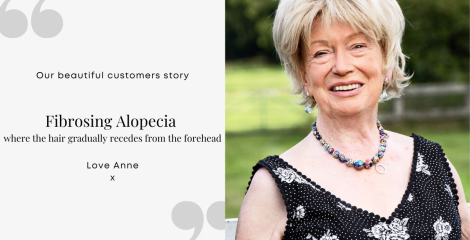
| Scarring alopecia | Hair cannot regrow from follicles that have been destroyed and replaced by scar tissue. Treatment generally aims to control inflammation and protect remaining follicles. |
| Telogen effluvium | This form of increased shedding often improves, although restoring fullness takes time. An ongoing underlying cause can affect recovery. |
| Traction alopecia | Removing repeated pulling or tension early may allow recovery. Long-standing traction can permanently damage follicles. |
| Female pattern hair loss | This usually develops gradually. Treatment may help slow progression and encourage some regrowth, but results vary. |
These differences are why getting a diagnosis matters. If you have unexplained hair loss, speak to your GP rather than trying to identify the cause from photographs online. You can also read our scarring alopecia guide for more about permanent follicle damage.
What does alopecia areata regrowth look like?
Regrowth may start with fine hairs that are difficult to see. New hairs can initially appear white or lighter than your usual colour, and they may become more noticeable as they grow.
These can be encouraging changes, but early regrowth cannot tell you how much hair will return or whether it will remain. It’s understandable to want to check the area regularly. If checking becomes upsetting, you might prefer to take an occasional photograph in similar lighting, provided that feels helpful to you. You do not need to examine your scalp every day.
How long does hair take to grow back after alopecia?
With alopecia areata, regrowth may happen over months, although it can take longer. There is no guaranteed timetable, and some people do not experience regrowth. Other causes of hair loss follow different patterns. For example, with telogen effluvium, shedding can settle before your hair feels as full as it did previously. Returning to your usual volume may take many months.
Try not to measure your progress against someone online who describes a quick recovery. Their diagnosis, treatment and circumstances may be different from yours. If you are unsure whether your hair loss is improving, your clinician can help you understand what they are looking for and when a review would be useful.
Can hair grow back and then fall out again?
Yes. Alopecia areata can recur after regrowth, so hair returning does not necessarily mean the condition has gone permanently. That uncertainty can be difficult. You may feel relieved when you see new hairs, then anxious about losing them again. Those feelings are understandable, and you deserve support with the emotional side of hair loss as well as its physical effects. Let your GP or dermatologist know if you notice further changes, particularly if you are receiving treatment.
Does stress affect alopecia regrowth?
Stress can be associated with some forms of hair loss, including telogen effluvium. However, that does not mean every case of alopecia is caused by stress, or that relaxing will make your hair return. Please don’t put pressure on yourself to “stop worrying so my hair will grow back”. Looking after your sleep, eating regularly and making space for emotional support can help you cope. You can do these things for your wellbeing without treating them as a test you have to pass for regrowth.
Is there anything I can do to encourage regrowth?
The most useful starting point is finding out what is causing your hair loss. Treatment advice should follow that diagnosis.
Speak to your GP before spending money on products or commercial treatments. Be cautious about promises to cure alopecia or guarantee regrowth. The NHS recommends getting medical advice about the cause of hair loss before approaching a commercial hair clinic.
Questions you could take to your appointment include:
- What type of hair loss do I have?
- Is regrowth possible with this diagnosis?
- What are the benefits and limitations of treatment?
- How will we assess whether treatment is helping?
- When should I come back for a review?
If hair loss is accompanied by scalp pain, burning, redness or scaling, mention these symptoms when seeking advice. Some inflammatory conditions can damage follicles, making assessment particularly important.
Can I wear a wig while waiting for my hair to grow back?
You do not need to wait for a definite answer about regrowth before exploring a wig. Some people want an option that helps them feel more like themselves while they wait. Others prefer a headscarf, hat or no covering at all. You might also feel differently from one day to the next.
Wearing a wig does not mean you have given up on your own hair. You can hope for regrowth and choose something that helps you feel comfortable today. If you decide to explore alternative hair, comfort, fit and attachment matter. Tell your wig adviser about any tenderness, existing hair or scalp treatment so they can help you consider suitable options. If your scalp is inflamed or you use prescribed treatments, ask your clinician about any precautions.
What if my hair doesn’t grow back?
This can be a difficult possibility to think about, particularly when you are still adjusting to hair loss. You do not have to make every decision now. You might start by talking to someone you trust, asking your GP about emotional support or exploring practical options at your own pace. At Simply Wigs, we understand that people come to us at very different stages. Some want to browse quietly. Some have a long list of questions. Others simply want to speak to someone who will listen. Whatever feels right for you, there is no deadline for deciding how you want to manage your appearance.
Frequently asked questions about alopecia regrowth
A few short answers to questions you may still have.
- Does white hair mean my alopecia is improving?
-
White or pale hair can be an early sign of alopecia areata regrowth. It does not guarantee complete or lasting recovery.
- Can hair return after years of alopecia areata?
-
It can, but this is unpredictable. Long-standing or extensive hair loss needs individual advice from a dermatologist.
- Does regrowth mean alopecia areata is cured?
-
No. Further episodes can happen after hair has returned.
- Should I wait for regrowth before asking for help?
-
No. You can seek medical advice and emotional or practical support as soon as you need it.
This guide provides general information and practical support. It cannot diagnose hair loss or predict an individual’s regrowth. Speak to your GP or dermatologist for advice about your own symptoms and treatment.
For further information, visit the NHS hair loss page and the British Association of Dermatologists’ alopecia areata guide.



Comments
No comments yet. Be the first!
Leave a Comment