

Alopecia Totalis: Symptoms, Hair Loss, Treatment & Support



What's In This Article
In this article, we’ll explain what alopecia totalis is, what the symptoms can look like, what may cause it and whether hair can grow back. We’ll also look at the treatment options that may be available, the emotional impact of losing your hair, and some of the practical questions that can come with it. If you’re thinking about wearing a wig, we’ll also talk through comfort, fit and security, as well as sharing real experiences from people who understand what it can be like to live with alopecia.
Alopecia Totalis at a Glance
| Question | Alopecia Totalis |
|---|---|
| Where is hair lost? | The scalp |
| How much hair is lost? | Complete loss of scalp hair |
| Who can develop it? | Adults and children |
| Is it contagious? | No |
| Can hair grow back? | Regrowth is possible, but the course varies considerably |
| Can it be treated? | Treatment options are available, but response varies from person to person |
| Who should diagnose it? | A GP or dermatologist |

What Does Alopecia Totalis Look Like?
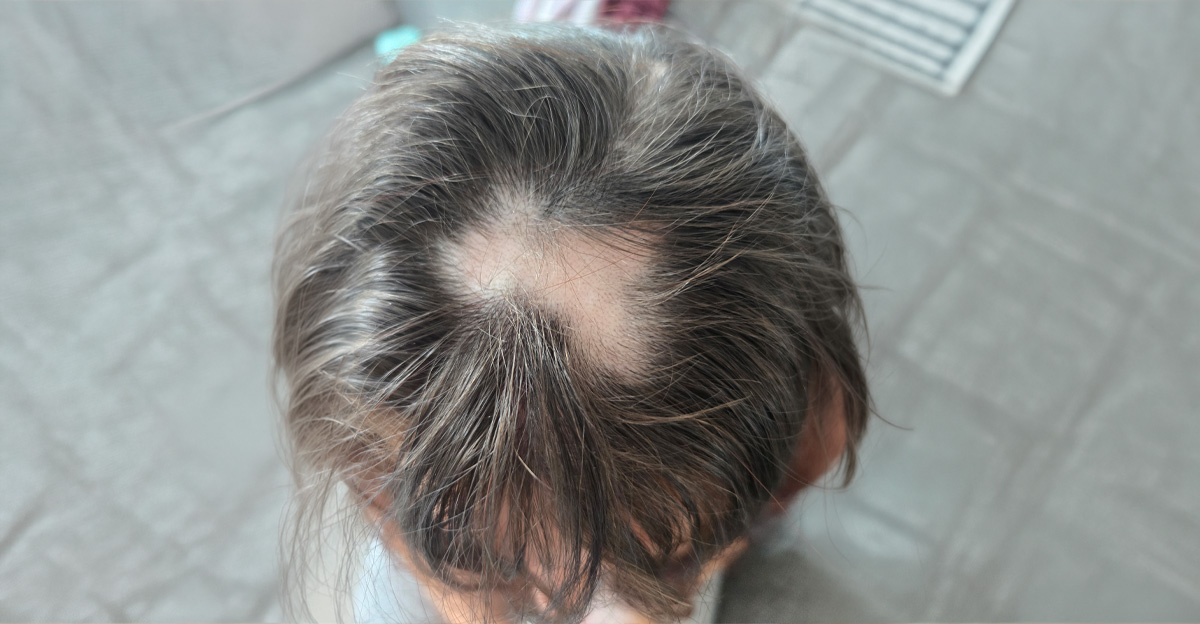
The defining feature of alopecia totalis is complete or almost complete loss of scalp hair. Someone may initially experience patches of hair loss that gradually become larger or join together. In other cases, the progression can be much faster. The scalp will often appear smooth rather than scarred. Some people with alopecia areata can also experience changes to their nails, such as small pits or ridges. Hair loss can have many different causes, however. If you are experiencing sudden, unexplained or extensive hair loss, speak to your GP rather than trying to diagnose alopecia totalis yourself.
Is Alopecia Totalis the Same as Alopecia Areata?
Alopecia totalis is generally considered an extensive form of alopecia areata. The important distinction for this article is the extent of scalp hair loss.
| Condition | Typical hair-loss pattern |
|---|---|
| Alopecia Areata | Commonly presents as one or more patches of hair loss |
| Alopecia Totalis | Complete loss of scalp hair |
| Alopecia Universalis | Complete or extensive loss of hair from the scalp and body |
We deliberately won’t go deeply into the different forms of alopecia here. For that, see our Complete Guide to the Types of Alopecia, or read our dedicated Alopecia Areata and Alopecia Universalis guides.
Alopecia Totalis is an extensive form of alopecia areata involving an autoimmune response against hair follicles

Is Alopecia Totalis Caused by Stress?
This is something we know people frequently worry about.
Some people associate the beginning or worsening of their hair loss with an extremely stressful period in their life. However, alopecia totalis is an autoimmune condition, and it would be misleading to suggest that someone has developed it simply because they were stressed.
Will Hair Grow Back After Alopecia Totalis?
It can.
In alopecia totalis, the hair follicles are generally still present rather than being permanently destroyed. This means hair regrowth is possible. However, alopecia can be unpredictable. Some people experience significant regrowth. Others experience partial regrowth, while some people’s hair loss continues for a prolonged period. Hair can also regrow and subsequently fall out again.
Unfortunately, nobody can look at someone newly diagnosed with alopecia totalis and say with certainty exactly what will happen to their hair. That uncertainty can be one of the hardest parts of the condition.
Can Alopecia Totalis Be Treated?
Treatment options are available for alopecia areata and its more extensive forms. The most appropriate treatment will depend on individual circumstances, including age, extent and duration of hair loss, medical history and previous treatment. Treatments may include medicines that influence the immune response. In recent years, JAK inhibitors have also become an important treatment option for some people with severe alopecia areata.
This is an area where medical advice matters. A GP or dermatologist can explain the currently available treatments, their potential benefits and risks, and whether a particular treatment is appropriate for you.
Authoritative external sources: NHS; British Association of Dermatologists; Alopecia UK.
The Emotional Impact of Alopecia Totalis
Losing all your scalp hair can be an enormous change.
For many people, hair is closely connected with identity. Hair loss can therefore affect confidence, relationships, work, social situations and how comfortable you feel about your appearance. There isn’t one ‘right’ response to losing your hair. You might feel devastated. You might feel angry. You might decide to embrace being bald. You might want a wig immediately. Or you might feel completely differently from one day to the next.
At Simply Wigs, we’ve spoken to many people living with alopecia over the years, and one thing we’ve learnt is just how individual everyone’s experience is.
Read our #OneSmallPatch collection.
Should I Wear a Wig With Alopecia Totalis?
That’s entirely your decision.
Some people with alopecia totalis don’t want to wear a wig at all. Others find that wearing one helps them feel more comfortable or simply more like themselves. And some people do both. If you have complete scalp hair loss, choosing a wig can feel slightly different because the wig may sit directly against your scalp.
- Comfort against a sensitive scalp
- Correct wig size
- Lightweight cap construction
- Security and fit
- Lace-front hairlines
- Monofilament tops
- Synthetic versus human hair
- How often you expect to wear your wig
You don’t need to understand all the terminology before choosing your first wig. That’s what we’re here to help with.
Do I Need to Shave My Remaining Hair?
No.
If your hair loss has progressed considerably but some hair remains, you may start wondering whether to shave it. For some people, shaving the remaining hair gives them a feeling of control after months of watching their hair disappear. For somebody else, that may feel like a step they aren’t ready to take. There is no requirement to shave your head simply because you have alopecia totalis.
Read more – Should I Shave My Head?

Living With Alopecia Totalis
After diagnosis, the questions often become much more practical.
- Can I exercise in my wig?
- Can I swim?
- How do I stop my wig from moving?
- What happens on holiday?
- How do I tell people?
- What happens if somebody asks me about my hair?
These are exactly the questions we want the Simply Wigs Alopecia Blog to answer. Our articles bring together practical wig advice, straightforward information and, importantly, the experiences of people who actually live with alopecia.
Alopecia Totalis FAQs
Here are a few common question that our clients regularly ask us.
- Is Alopecia Totalis Contagious?
-
No. Alopecia totalis is not contagious and cannot be passed from one person to another.
- Can Children Develop Alopecia Totalis?
-
Yes. Alopecia areata and its more extensive forms can affect both adults and children.
- Can Alopecia Totalis Grow Back?
-
Yes, hair regrowth is possible. However, alopecia is unpredictable and the amount and permanence of regrowth varies considerably between individuals.
- Is Alopecia Totalis Permanent?
-
Not necessarily. Some people experience regrowth while others experience long-term hair loss. It isn’t always possible to predict the course of the condition.
- Does Alopecia Totalis Affect Eyebrows and Eyelashes?
-
Alopecia totalis refers primarily to scalp hair loss. Some people with alopecia areata can experience hair loss elsewhere. More extensive loss of scalp and body hair is associated with alopecia universalis.
- Can I Wear a Wig Every Day With Alopecia Totalis?
-
Yes. Many people with alopecia wear a wig regularly or every day. Comfort, correct sizing and cap construction are particularly important when a wig is being worn directly against the scalp.
Where to Go Next
If you’re at the beginning of your alopecia journey, you don’t have to learn everything today. Start with whatever question matters most to you.
- Understand the condition: Complete Guide to the Types of Alopecia
- Thinking about a wig: Choosing Your First Wig After Hair Loss
- Worried about security: How to Stop Your Wig Slipping
- Want to hear from other people: Real Alopecia Stories
- Explore everything: Simply Wigs Alopecia Articles
At Simply Wigs, our aim isn’t simply to help you find a wig. It’s to give you straightforward information, practical help and access to the experiences of a community that understands hair loss.










Comments
No comments yet. Be the first!
Leave a Comment