

5 Ways to Refresh Your Wig



What's In This Article
When a favourite wig starts to feel a little tired, it does not always mean you need to replace it. A careful wash, a small styling change or a professional tidy-up may help you enjoy it for longer. Here are five practical ways to refresh your wig, with a few gentle reminders to help you choose the right approach for your fibre type.
Before you start - check your wig type!
Check whether your wig is standard synthetic, heat-friendly synthetic or human hair. If you are unsure, look at your order details and the manufacturer’s care leaflet, or ask our team before trying a new product or styling tool. A heat-friendly label does not mean every type of heat is suitable. The tools, temperatures and drying methods recommended for one collection may differ from another.
1. Wash your wig with the right products
If your wig has product build-up or no longer feels fresh, washing may be a helpful first step. Follow the manufacturer’s washing schedule and method, using shampoo and conditioner suitable for the fibre. There is no single washing interval that suits every wig and every wearer. Work gently and avoid rubbing, twisting or wringing the hair. Follow the care leaflet for water temperature, conditioner placement and drying, as these instructions can differ between fibres.
Our guides to washing a fibre wig and washing a human hair wig explain the process in more detail. You can also browse our wig care products to find an appropriate routine.
Washing a wig - get the correct product
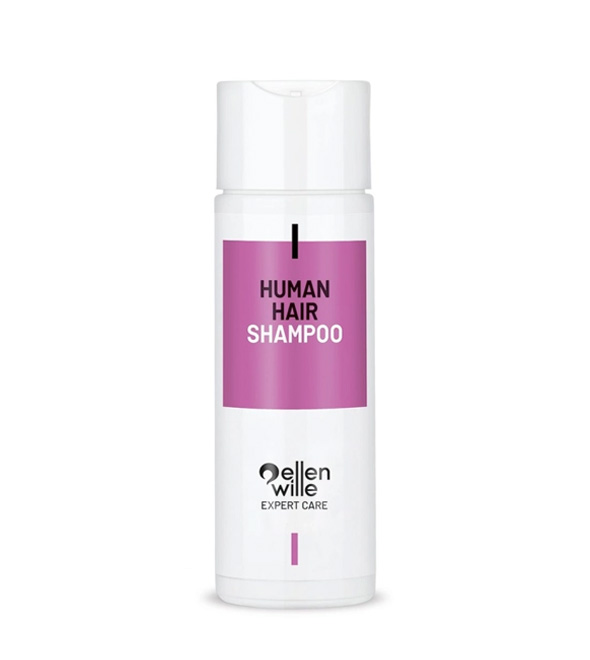
For Human hair
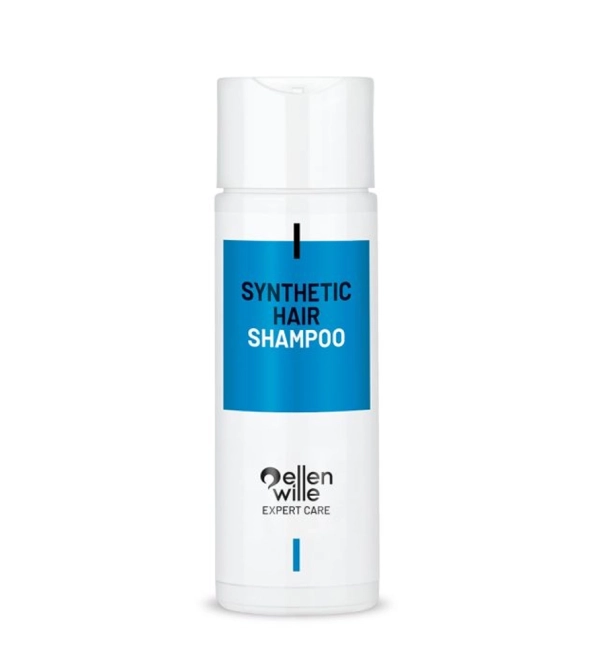
For Synthetic hair
Make sure the product is specific to the wig construction
(i.e. human hair, synthetic hair or heat-friendly hair)
2. Gently refresh the style
Sometimes your wig needs a small adjustment rather than a completely different look. Start with gentle detangling using the tool recommended for your wig, working through the ends before moving upwards. Take extra care around the cap and hairline.
Our guide to choosing the right wig brush can help you understand the options. For stubborn knots, see our synthetic wig detangling guide rather than pulling harder.

Standard synthetic wigs
Let the wig dry as directed, then use your fingertips or the recommended comb to gently arrange the style. Do not use straighteners, curling tongs or a hot hairdryer on standard synthetic fibres. If the ends remain rough or frizzy, ask a wig specialist about suitable servicing. Avoid experimenting with heat or home steaming without advice for your exact style.

Heat-friendly synthetic wigs
Some heat-friendly fibres benefit from controlled heat maintenance to smooth friction frizz. Follow the instructions for your exact collection, including the approved tool and temperature, rather than relying on a general “low heat” setting.
Jon Renau’s care and styling guide (opens in a pdf) gives separate instructions for its own Heat Defiant fibre. Those instructions are specific to Jon Renau and should not be applied to every heat-friendly wig.

Human hair wigs
Human hair wigs may need styling after washing to recreate your preferred finish. Follow the manufacturer’s drying and styling directions, and use compatible products. Heat styles the hair; it does not nourish it. If you are unsure how to recreate the look at home, we can help you explore a styling appointment.
3. Try a simple accessory
A soft headband, a lightweight clip or a loosely tied scarf can give a familiar wig a different feel. It is a lovely option when you want a change without cutting or heat styling. Choose accessories that feel comfortable and avoid anything that snags the fibres, grips the lace or pulls tightly on the cap. Where the wig’s construction allows it, a gentle change to the parting can also freshen up your look.
4. Ask about a professional trim
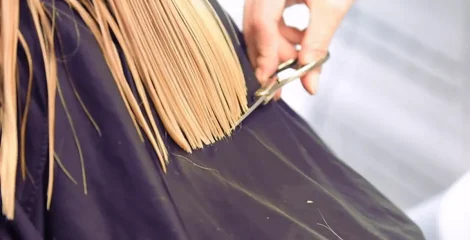
If the ends have become worn, a small trim may make the style look tidier. Friction where the hair meets collars or scarves can contribute to roughness, particularly around the nape. Our collar rub guide explains this common problem. A trim removes worn ends; it cannot repair damage throughout the wig. Because wig hair will not grow back, speak to a hairdresser experienced with wigs before cutting a fringe, adding layers or changing the length.
You can explore our wig services or contact our team to discuss what may be suitable for your style.
5. Give an older wig a new role
An older wig that is still comfortable and secure may become a useful spare for relaxed days, errands or activities when you would rather keep another style aside. You do not have to retire a wig simply because it is no longer your first choice.
Choose the activity with care. Sweat, friction, saltwater and chlorine can affect the hair and cap, so repurposing a wig does not make it suitable for swimming or every sport. Check the care instructions and make sure it feels secure for what you have planned.

When a refresh is not enough
Some changes are signs of wear that a wash or restyle cannot solve. Persistent matting, damaged lace, an uncomfortable fit or a cap that no longer feels secure are good reasons to ask for advice. Our guide to when to replace a wig can help you think through the options. There is no pressure to make a change before you are ready: our friendly team can help you work out whether a refresh, professional service or replacement is the most practical next step.
Your wig refresh questions
If you are unsure which approach is right for your wig, these answers are a useful starting point.
- Can I refresh my wig without washing it?
-
Yes. If your wig is clean and simply needs a styling change, gentle detangling, arranging the parting where suitable or adding a lightweight accessory may help. If there is product build-up or an odour, follow the recommended washing routine.
- I have a frizzy wig, will washing it help?
-
It can, as washing can remove build-up. But it cannot reverse all wear or heat damage. Persistent frizz needs an approach suited to the fibre, which may include approved maintenance or a professional assessment.
- Can I use fabric softener to refresh my wig?
-
Some people do, but we strongly recommend products intended for your wig’s fibre and using them according to the care instructions. Household fabric softener is not a substitute for a manufacturer-approved wig conditioner.
- Can a hairdresser cut my wig?
-
A hairdresser experienced with wigs can advise on a tidy-up or a change of shape. Discuss the fibre, cap construction and finished length first, as any hair removed will not grow back.










Comments
No comments yet. Be the first!
Leave a Comment