

Best Wig Brush: How to Choose the Right Brush for Synthetic & Human Hair Wigs


What's In This Article
Now that you’ve found your perfect wig, you’ll want to keep it looking that way. The single most important tool for doing so is the right wig brush, and the single most common mistake we see in the shop is a beautiful synthetic wig that’s been brushed with an ordinary hairbrush until the ends are frizzed and the fibre has lost its shine.
We’ve been selling and caring for wigs since 2007, and we’ve brushed more of them than we could count. This guide covers everything we tell customers: why everyday brushes damage wigs, the four types of wig brush and what each is for, the best brush for synthetic wigs, the best brush for human hair wigs, what to use on curls, how to brush a wig without pulling the fibre out, and which brushes we’d actually buy.
The Short Answer
For a synthetic wig, use a loop brush (also called a wire wig brush) or a wide-tooth comb, always on dry fibre, always from the ends up. For a human hair wig, use a soft paddle brush or an anti-static human hair brush, and a wide-tooth comb when it’s damp. For a curly wig of either kind, put the brush down and use your fingers or a wide-tooth pick. Never use a nylon bristle brush, a boar bristle brush or a round brush on a wig.
Why You Can't Use a Normal Hairbrush on a Wig
It’s a fair question. A brush is a brush, surely? Not for a wig, and the reasons are worth understanding because they explain every other rule in this guide.
- Nylon bristles create friction and static. Synthetic wig fibre is a fine plastic filament. Dragging dense nylon bristles through it generates heat and static, which roughs up the surface of the fibre, dulls the shine and, over time, causes the frizz that makes a wig look like a wig.
- Bristles stretch and snap fibre. Your own hair is anchored in a follicle and stretches a little before it breaks. Wig fibre is knotted or sewn into a cap. Pull on it and you either snap it or pull it out of the cap altogether.
- Everyday brushes catch the cap. Wefts, monofilament tops and lace fronts are delicate. The rigid base of a normal brush snags on them, and a lace front hairline can tear.
- Boar bristle is for scalps. Boar bristle brushes are designed to spread scalp oil down the hair shaft. A wig has no scalp and no oil, so all you get is friction.
A wig brush solves all of this with widely spaced, smooth prongs that glide rather than grip, and a base that won’t catch the cap. That’s the whole idea.
Which Wig Brush Is Right for You? Quick Comparison
| Brush type | Best for | Use on | Avoid on |
|---|---|---|---|
| Loop / wire wig brush | Daily smoothing and shaping, light tangles, styling | Synthetic and heat-friendly fibre, dry human hair | Wet fibre, tight curls |
| Wide-tooth wig comb | Detangling, after washing, lace front hairlines, damp human hair | All wig types | Nothing; it’s the safest tool you own |
| Human hair / anti-static brush | Smoothing, volume and static control on human hair wigs | Human hair and blends | Synthetic fibre, wet hair |
| Wig pick or fingers | Curly and wavy wigs | All curly styles | Straight styles (a comb does the job better) |
The Best Brush for Synthetic Wigs
If you own one synthetic wig and want one tool, buy a loop brush. It’s designed for exactly this fibre, it’s gentle enough to use every day, and it does double duty as a styling brush for smoothing a bob or shaping a fringe. Pair it with a wide-tooth comb for wash days and for any tangle the brush won’t take out easily.
A few things matter more for synthetic than for human hair. Only ever brush it dry, because wet fibre stretches and won’t spring back. Go slowly at the nape, where friction from collars and scarves causes most tangling. And if your wig is heat-friendly, the same brushes apply; heat-friendly fibre can take styling tools on a low setting but it isn’t any tougher against a bad brush. Our guide to wearing synthetic wigs in summer has more on keeping fibre in good condition through the warmer months.
The Best Brush for Human Hair Wigs
Human hair wigs are more forgiving, but they’re also a bigger investment, so it’s worth getting this right. On dry hair, a soft paddle brush made for wigs or an anti-static human hair brush is ideal; both smooth the cuticle and add a little volume without stretching the hair. When the wig is damp after washing, switch to a wide-tooth comb and a leave-in conditioner, working from the ends up, because human hair stretches most when wet.
Static is the most common complaint with human hair wigs in winter and centrally heated rooms. An anti-static brush helps, and so does a light mist of wig conditioning spray before you brush. Our guide to taming flyaway wig hair covers the rest.
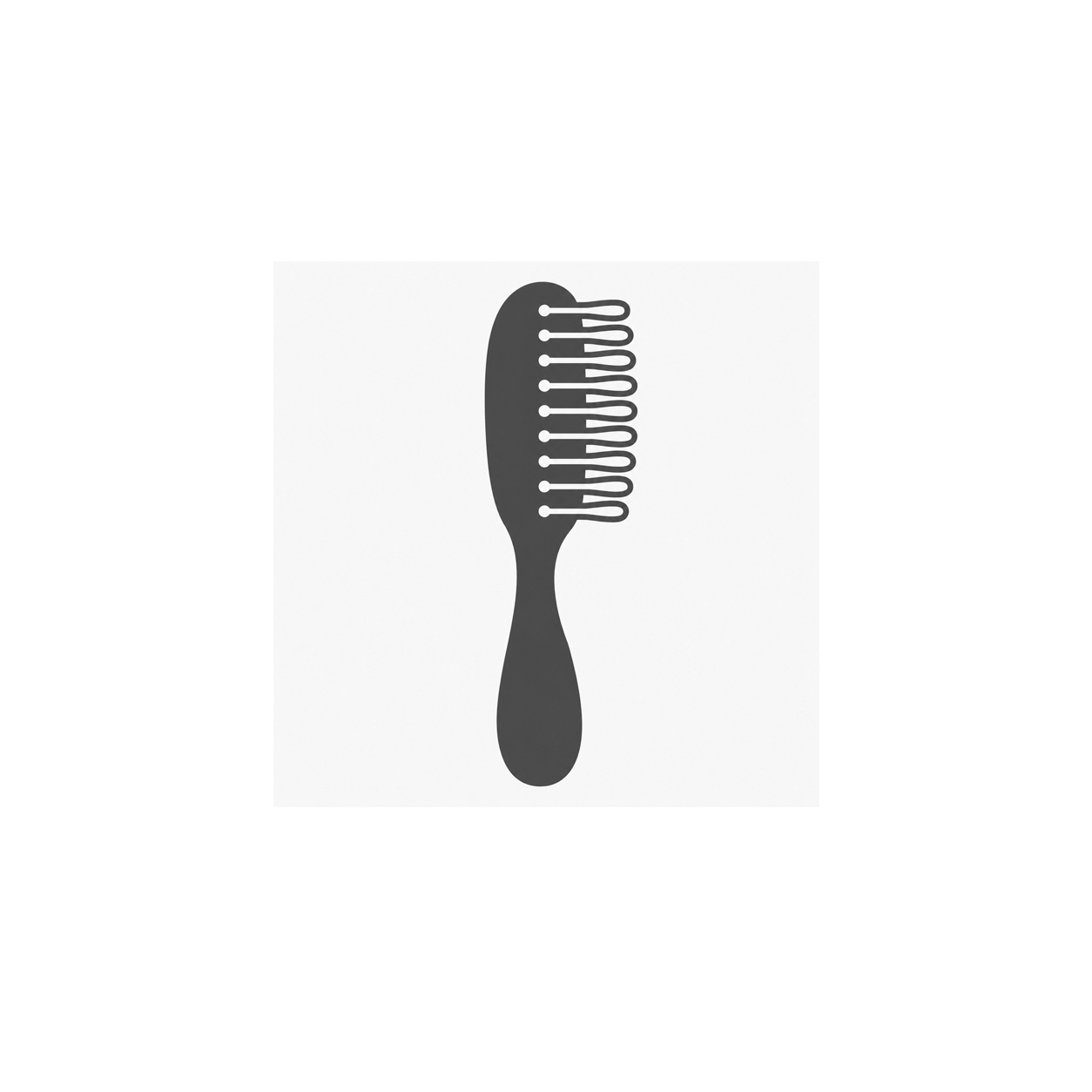
1.THE LOOP BRUSH, OR WIRE WIG BRUSH
This is the classic wig brush and the one most of our customers own. Instead of bristles it has thin metal prongs, either bent into loops or tipped with tiny plastic bobbles, set into a cushioned base. The loops and bobbles are there so nothing sharp touches the fibre; the prongs glide through and lift out tangles without dragging. A loop brush is gentle enough for daily use on synthetic wigs and good for smoothing and shaping a style. Simply Wigs sells a slim version, the Cherry Red Styling Brush, that fits in a handbag.
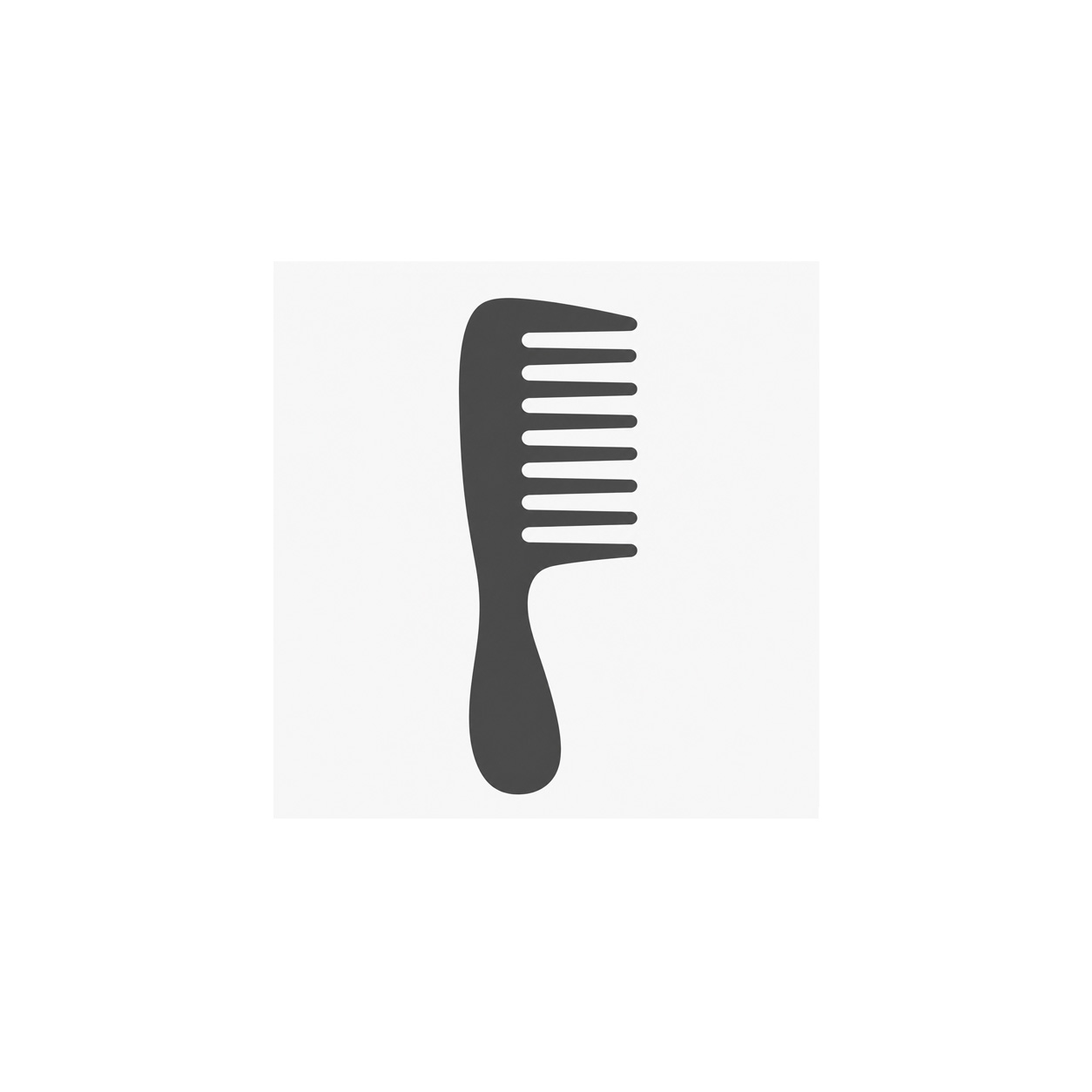
2. THE WIDE-TOOTH WIG COMB
Not strictly a brush, but for many wig wearers the most useful tool of all. A wide-tooth comb with smooth, rounded teeth separates tangles one section at a time with the least possible pull, which makes it the safest choice for a wig that’s badly knotted, for damp human hair, and for the delicate hairline of a lace front. It’s also the tool to reach for after washing. Keep one at home and one in your bag.
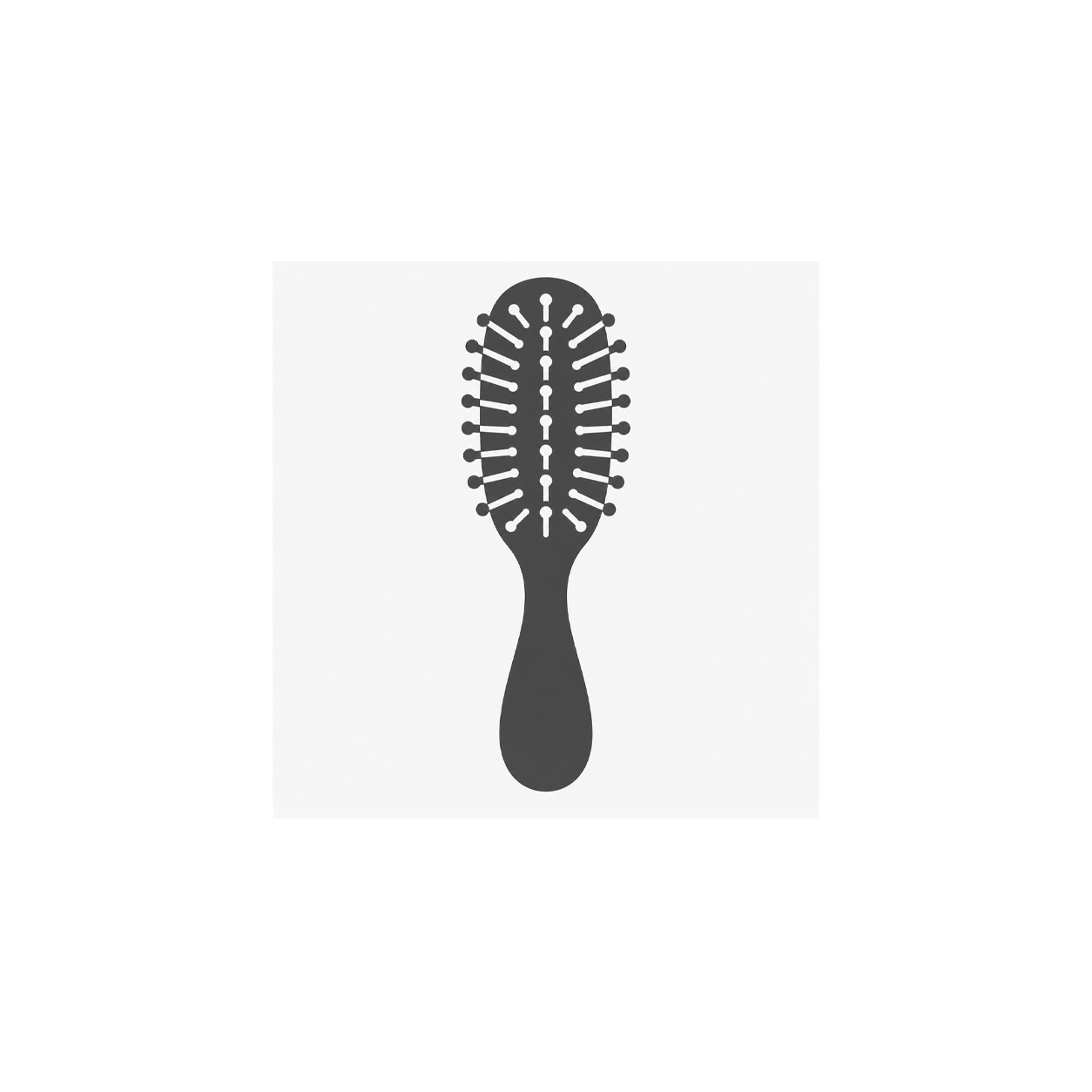
3. THE HUMAN HAIR WIG BRUSH
Human hair wigs can take a little more than synthetic, so a soft paddle brush designed for wigs is fine on dry hair, and an anti-static human hair brush is worth having if you find your wig lifts and clings in dry weather. These brushes still have spaced, smooth bristles and a flexible base; they are not ordinary paddle brushes.
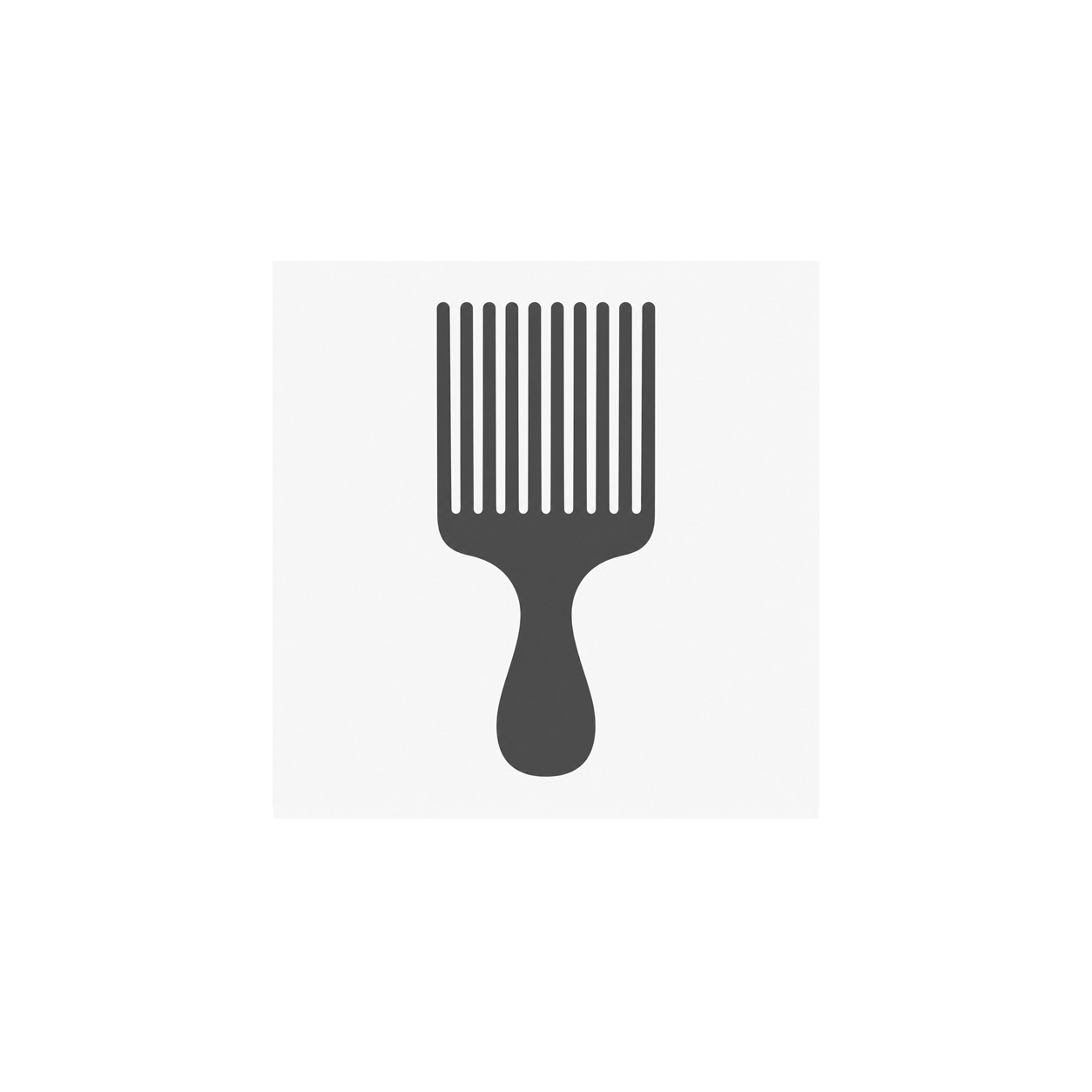
4. THE WIG PICK AND YOUR FINGERS
For curly and wavy wigs, a brush of any kind will pull the curl pattern out and leave frizz. A wide-tooth pick, or simply your fingers, lets you separate and fluff curls without straightening them. This is the least glamorous tool in the list and the one that saves the most wigs.
Brushing Curly, Wavy and Lace Front Wigs
Curly and wavy wigs should be brushed as little as possible. Brushing pulls the curl out and leaves a halo of frizz that’s hard to reverse on synthetic fibre. Separate curls with your fingers, use a wide-tooth pick for stubborn sections, and refresh the shape with a light mist of water or wig spray rather than a brush. Our guide to caring for curly wigs goes into detail, including how to wash them without losing the curl.
Lace front wigs need care at the hairline. The lace is fine and the individual hairs at the front are hand-tied, so a brush dragged across the front edge can tear the lace or pull hairs out. Brush the lengths as normal, but at the hairline use a wide-tooth comb or your fingers, and never brush from the lace outwards. Hold the front edge against your head or the wig stand with your free hand while you work.
Monofilament tops are tougher than lace but still hand-tied. The same rule applies: support the cap with your hand and brush away from it, not into it.
How to Brush a Wig Without Damaging It
Brushing a wig takes a little more care than brushing your own hair, but once it’s a habit it takes about two minutes. Here’s the method we teach in the shop.
- Make sure the wig is completely dry. A synthetic wig is at its weakest when wet and will stretch permanently if you brush it. Human hair stretches too. If you’ve just washed it, let it dry fully on a stand first, or use a wide-tooth comb very gently with conditioner if you must.
- Put it on a stand, or on your head. Either gives you something to hold the cap against. Brushing a wig in your lap pulls on the cap with every stroke.
- Spray lightly if it’s tangled. A wig detangling or conditioning spray misted over the lengths makes the fibre glide and cuts down on static. Don’t soak it.
- Start at the ends. Take a small section, hold it a few inches above the tangle so the pull doesn’t reach the cap, and brush the last inch or two until it’s clear. Then move up a little and repeat. Work your way to the root in stages.
- Use short, gentle strokes. If the brush meets resistance, stop. Pull the knot apart with your fingers, then brush again. Forcing a brush through a knot is how fibre gets pulled out of the cap.
- Support the cap at the hairline. Hold the front edge with your free hand for the last few strokes, and go around the lace or monofilament rather than through it.
- Finish by smoothing. Once every section is clear, a few long, light strokes from root to tip settle the style. Shake the wig gently and it’s done.
If a wig is badly matted, especially at the nape, don’t try to brush it out in one go. Our step-by-step guide to untangling a synthetic wig shows how to rescue it, and how to restore a synthetic wig covers fibre that’s gone frizzy.
Common Brushing Mistakes
- Using the brush from your bathroom drawer. The most common one, and the reason most wigs come to us frizzed at the ends.
- Brushing wet. Stretches the fibre and it never recovers.
- Starting at the root. Drives every tangle down the length into one large knot at the ends.
- Brushing curls. Turns a curly wig into a frizzy one.
- Brushing across the lace. Tears the hairline.
- Forcing a knot. Pulls fibre out of the cap. Fingers first, brush second.
- Never cleaning the brush. Fibre, spray residue and dust build up between the prongs and go straight back into the wig. Pull the loose fibre out after each use and wash the brush in warm soapy water once a month.
Our Recommended Wig Brushes and Combs
These are the tools we use in the shop and recommend to customers. All are in our wig brush and comb range. Please note that wig care accessories are non-returnable, so if you’re unsure which to choose, give us a ring first on 01484 844557.
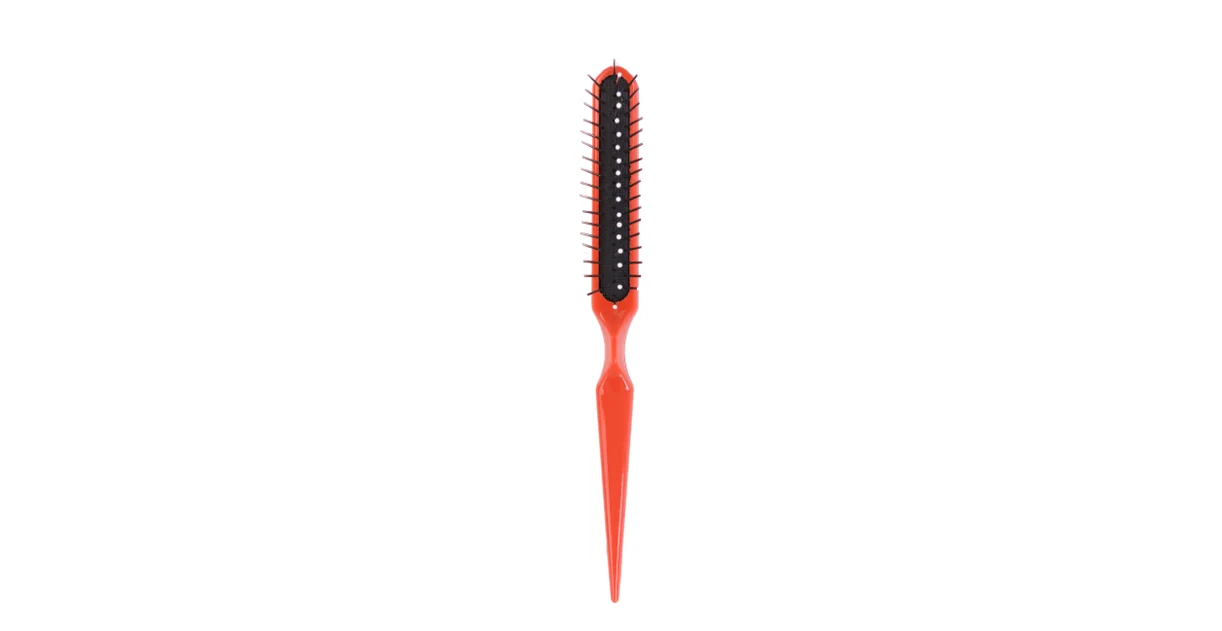
Cherry Red Styling Brush
A slim 20cm loop brush from Ellen Wille with metal prongs finished in tiny bobbles so the fibre isn’t dragged.
Small enough for a handbag and our most popular everyday brush for synthetic wigs.
Shop Styling Brush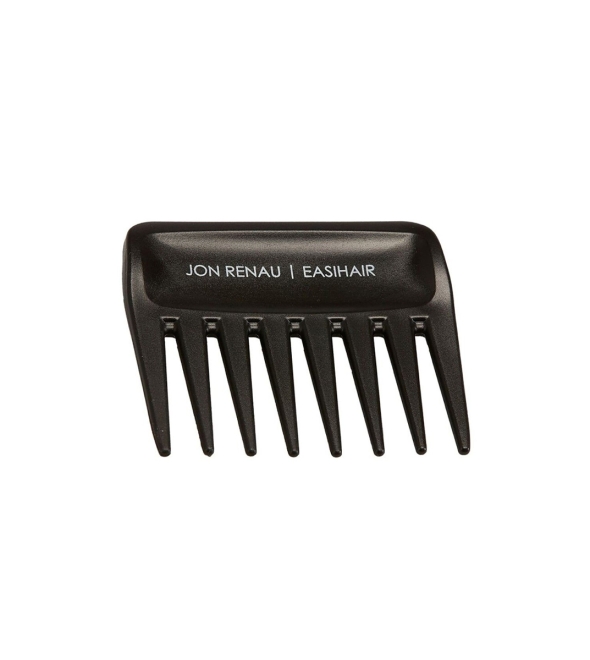
Wig Comb
- A wide-tooth comb with rounded teeth for detangling, wash days and lace fronts. The one tool every wig wearer should own.
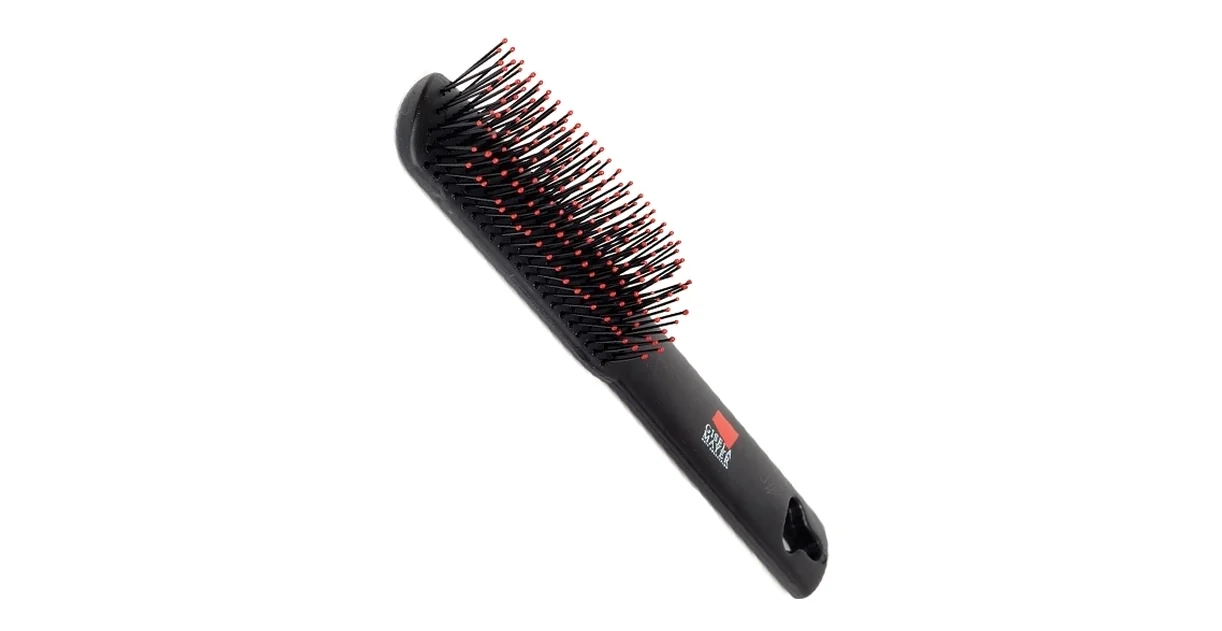
Anti-static Human Hair Brush
- For human hair wigs and blends, especially in winter. Smooths, adds volume and calms static without stretching the hair.
If you’re starting from scratch, a wig care set bundles a brush with the shampoo, conditioner and spray you’ll need, and our guide to choosing styling products for synthetic wigs explains which products suit which fibre. Delivery is from £2.95.
From Our Community










Julie, who has worn wigs for thirty years, left a comment on an earlier version of this guide to say she was still learning how to brush and style them. That’s the honest truth about wig care: the basics are simple, but the habits take a while to build, and even long-term wearers pick up something new. If you’ve a tip of your own, we’d love to hear it.
Frequently Asked Wig Brush Questions
- What is the best brush for a synthetic wig?
-
A loop brush, sometimes called a wire wig brush, with looped or bobble-tipped metal prongs. Use it on dry fibre, from the ends up, and keep a wide-tooth comb for wash days and stubborn tangles.
- Can you use a normal hairbrush on a wig?
-
No. Nylon and boar bristle brushes create friction and static that frizz synthetic fibre, stretch or snap the strands, and can catch the cap or tear a lace front. Use a brush or comb designed for wigs.
- What is a loop brush?
-
A brush with thin metal prongs bent into loops, or tipped with small plastic bobbles, set in a cushioned base. The smooth ends glide through wig fibre without dragging or snagging. It’s the standard brush for synthetic wigs.
- Can you brush a wig when it's wet?
-
Not a synthetic wig; wet fibre stretches and won’t recover. Let it dry fully on a stand first. A human hair wig can be combed gently with a wide-tooth comb and conditioner while damp, but never brushed.
- How do I brush a wig without it shedding?
-
Hold the section a few inches above the tangle so the pull doesn’t reach the cap, start at the ends, use short gentle strokes, and pull knots apart with your fingers before brushing. Shedding almost always comes from forcing a brush through a knot.
- What brush should I use on a human hair wig?
-
A soft paddle brush made for wigs, or an anti-static human hair brush, on dry hair. Use a wide-tooth comb when the wig is damp.
- Should I brush a curly wig?
-
As little as possible. Brushing pulls out the curl and causes frizz. Separate curls with your fingers or a wide-tooth pick and refresh the shape with a light mist of wig spray.
- How do I stop my synthetic wig from tangling?
-
Brush it briefly every time you take it off, store it on a stand or in its box, keep the nape away from rough collars and scarves, use a conditioning spray, and wash it every eight to ten wears. Tangling at the nape is normal; catching it early is the trick.
Still Not Sure Which Brush You Need?
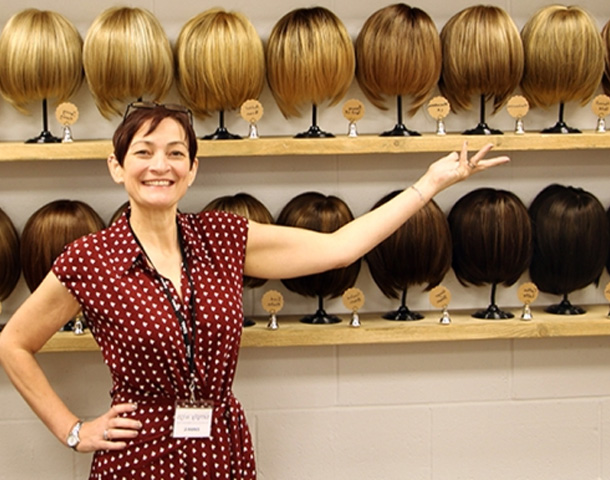
Bring your wig to us. Book a free appointment at our shop in Slaithwaite and we’ll show you how to brush it, which tools suit its fibre, and how to keep it looking the way it did on day one. Or get in touch and one of our wig experts will help. For everything else about looking after your wig, our wig care advice section is the place to start.












Comments
No comments yet. Be the first!
Leave a Comment