

Trichotillomania: Coping Skills, Symptoms & How to Manage Hair Pulling


What's In This Article
In this article, we’ll explain what trichotillomania is, some of the symptoms and triggers associated with hair pulling, and practical coping strategies that may help. We’ll also look at professional treatment and support, whether hair can grow back after repeated pulling, and the different options available if hair loss has led you to consider a wig, topper or headwear.
If you experience an overwhelming or recurring urge to pull out your hair, you may have heard of trichotillomania, also known as hair-pulling disorder or sometimes simply “trich”. Hair pulling can affect the scalp, eyebrows, eyelashes and other areas of the body. For some people, it happens consciously in response to an urge or particular feeling. For others, pulling can happen almost automatically, sometimes without them immediately realising they’re doing it. If this sounds familiar, you’re not alone, and support is available.
In this guide, we’ll explain what trichotillomania is, its symptoms and possible triggers, as well as practical coping strategies that may help you manage the urge to pull. f you would like to understand how this condition fits alongside other forms of hair loss, you can also read our Complete Guide to Alopecia Types
What Is Trichotillomania?
Trichotillomania is a condition where someone experiences recurring urges to pull out their own hair. It is considered a body-focused repetitive behaviour (BFRB). Other BFRBs include behaviours such as skin picking and nail biting. Trichotillomania isn’t simply a matter of deciding to stop pulling your hair. The urges can be difficult to control and may cause significant distress. Hair pulling can affect different areas, including:
- Scalp hair
- Eyebrows
- Eyelashes
- Beard or moustache hair
- Other body hair
The amount of pulling can also vary significantly between people.
What Are the Symptoms of Trichotillomania?
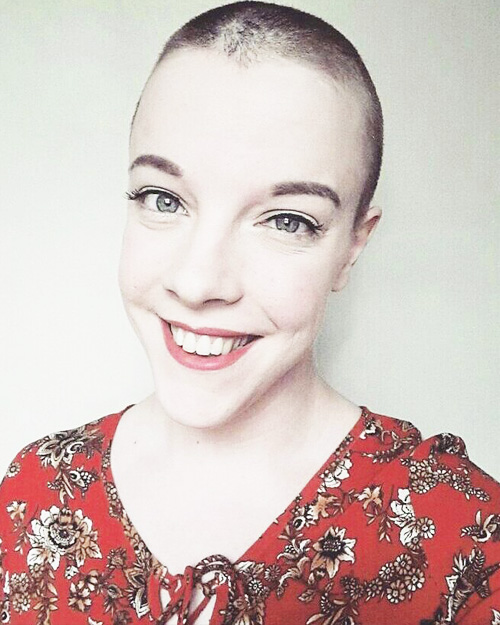
The most recognisable sign is repeatedly pulling out your own hair. You might also experience:
- Strong or recurring urges to pull
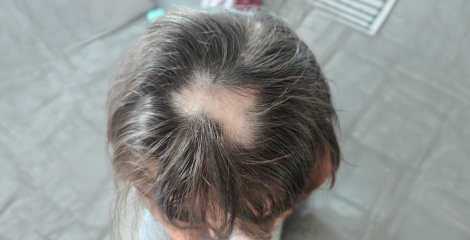
- Areas of thinning or missing hair
- Pulling without initially noticing you’re doing it
- Particular routines or rituals surrounding pulling
- Feelings of relief or satisfaction after pulling
- Difficulty stopping despite wanting to
- Feelings of embarrassment, frustration or distress about your hair pulling
Some people repeatedly touch, twist or search through their hair before finding a particular hair they want to pull. Trichotillomania can also affect confidence and self-esteem, particularly if hair pulling results in noticeable thinning or bald patches.
What Are the Symptoms of Trichotillomania?
The most recognisable sign is repeatedly pulling out your own hair. You might also experience:
- Strong or recurring urges to pull
- Areas of thinning or missing hair
- Pulling without initially noticing you’re doing it
- Particular routines or rituals surrounding pulling
- Feelings of relief or satisfaction after pulling
- Difficulty stopping despite wanting to
- Feelings of embarrassment, frustration or distress about your hair pulling
Some people repeatedly touch, twist or search through their hair before finding a particular hair they want to pull. Trichotillomania can also affect confidence and self-esteem, particularly if hair pulling results in noticeable thinning or bald patches.
Trichotillomania at a Glance
| Question | Practical answer |
|---|---|
| Where can hair pulling occur? | The scalp, eyebrows, eyelashes and other body hair |
| What can trigger pulling? | Triggers vary and may include stress, boredom, tiredness, concentration or automatic behaviour |
| Can hair grow back? | Often, although repeated long-term pulling can sometimes permanently damage follicles |
| Can it be treated? | Yes. CBT incorporating habit reversal training is commonly used |
| Who should I speak to? | Your GP or another qualified healthcare professional |
What Causes Trichotillomania?
The exact cause of trichotillomania isn’t fully understood.
Hair pulling may sometimes happen during periods of stress or anxiety, but this isn’t always the case. Some people pull when they’re bored, tired or concentrating, while others may do it automatically without being consciously aware of an emotional trigger. There may also be biological and genetic factors involved, but the important thing to remember is that trichotillomania is more complicated than simply having a “bad habit”.
Why Do I Keep Pulling My Hair?
Everyone’s experience is different. For some people, pulling follows a noticeable urge or feeling of tension and may provide a temporary feeling of relief afterwards. For others, pulling can become automatic.
You might find yourself doing it while:
- Watching television
- Reading
- Working or studying
- Using your phone
- Feeling stressed or anxious
- Feeling tired
- Sitting quietly
- Trying to concentrate
Understanding when, where and how you pull can be a useful first step towards recognising your individual patterns and triggers.
Trichotillomania Coping Skills: How to Manage Hair Pulling
There isn’t one coping technique that works for everyone. However, there are several strategies you can experiment with to help you recognise your triggers, interrupt pulling and find alternative behaviours.
- Identify Your Hair-Pulling Triggers
Try noticing what’s happening when you feel the urge to pull. Ask yourself:
Where am I? What am I doing? How am I feeling? What was I doing immediately before I started pulling? You may discover that pulling happens more frequently when you’re stressed, bored, tired or concentrating. Recognising these patterns can help you anticipate situations where pulling is more likely to happen.
- Keep a Hair-Pulling Diary
Keeping a simple diary can help you understand your pulling patterns. Rather than focusing solely on whether you did or didn’t pull that day, consider recording:
- When you noticed yourself pulling
- What you were doing
- Where you were
- How you were feeling
- How strong the urge was
- What helped you respond to it
The purpose isn’t to judge yourself. It’s to build awareness of your individual patterns. A similar approach can form part of professional treatment for trichotillomania.
- Notice the Actions That Come Before Pulling
Hair pulling doesn’t always begin with actually removing a hair. You might first run your fingers through your hair, search for a particular texture, twirl strands around your fingers or repeatedly touch a particular area. Learning to recognise these earlier behaviours may give you an opportunity to interrupt the sequence before you begin pulling.
- Keep Your Hands Occupied
If you frequently pull while your hands aren’t otherwise occupied, give them something else to do. You could try:
- A stress ball
- A fidget toy
- Knitting or crochet
- Drawing or doodling
- Another object that’s safe to handle
Experiment until you find something that works in the situations where you’re most likely to pull.
- Try an Alternative Action
Habit reversal training, which may be used as part of cognitive behavioural therapy for trichotillomania, involves learning to recognise pulling and replacing it with another action. The NHS gives squeezing a stress ball as one example. A qualified professional can help you identify alternative responses that are appropriate for your particular pulling patterns.
- Create a Physical Barrier
Some people find that making their hair or fingertips less accessible gives them enough time to notice an urge before acting on it. Options could include:
- Wearing a beanie
- Wearing a bandana
- Putting plasters over your fingertips
- Wearing gloves in situations where you commonly pull
This won’t address the underlying reason for pulling, but it may be a useful coping strategy alongside other approaches.
- Talk to Someone You Trust
Trichotillomania can feel isolating, particularly if you’ve been hiding your hair pulling. Consider talking to somebody you trust about what you’re experiencing. If you’d find it helpful, you could ask them to gently alert you when they notice you pulling—particularly if you sometimes do it automatically. Make sure you agree beforehand on how you’d like them to respond. Support and encouragement are likely to be much more helpful than criticism or repeatedly telling you to stop.
- Look After Your Wellbeing
If you’ve noticed that stress or anxiety increases your urge to pull, activities that help you feel calmer may be worth incorporating into your routine. That could mean exercise, relaxation techniques, breathing exercises, spending time outside or simply taking some time away from situations you find stressful. These aren’t treatments for trichotillomania themselves, but looking after your overall wellbeing may help you manage some of your individual triggers.
Should I Wear a Wig for Trichotillomania?
You don’t have to cover hair loss caused by trichotillomania, but some people choose to wear a wig, hair topper or headwear. Some people find that covering their hair can make it less easy to reach areas they normally pull. A wig may also help cover thinning or bald patches if these are affecting confidence. However, a wig is not a treatment for trichotillomania, and whether you choose to wear one is entirely personal. Think of it instead as an optional practical and cosmetic tool that some people find helpful.
Wigs for Trichotillomania
If you have extensive hair loss, a full wig can provide complete coverage. Consider comfort as well as appearance, particularly if areas of your scalp are sensitive. Depending on your preferences, features such as a monofilament top or lace front can also create the appearance of a natural scalp, parting or hairline.
Hair Toppers for Trichotillomania
If you still have plenty of your natural hair and only need to cover particular areas of thinning, a hair topper or hairpiece may be another option. The suitability of a topper will depend on where your hair loss is and the condition of the surrounding hair, because many toppers need to attach to biological hair.
Hats and Headwear for Trichotillomania
A hat, turban, scarf or bandana may provide another simple way of covering your hair or creating a barrier between your hands and the areas you usually pull. You might choose different options for different situations. For example, a wig when going out and comfortable headwear when relaxing at home.
Does Hair Grow Back After Trichotillomania?
Hair can grow back after pulling stops if the follicle hasn’t been permanently damaged. However, repeated pulling over a prolonged period can sometimes damage hair follicles, so regrowth will differ from person to person. If you’re worried about whether your hair will regrow, speak to your GP or a dermatologist who can assess your individual hair loss.
When Should I Get Help for Trichotillomania?
If you’re repeatedly pulling your hair and finding it difficult to stop, it’s worth speaking to your GP. You don’t need to wait until your hair pulling becomes severe before asking for help. Your GP can discuss what’s happening and may refer you for appropriate treatment. You should also seek medical advice if you’ve been eating or swallowing pulled hairs. Swallowed hair can accumulate in the digestive system and cause serious complications.
What Treatment Is Available for Trichotillomania?
Trichotillomania is commonly treated with a form of cognitive behavioural therapy (CBT) called habit reversal training (HRT). Habit reversal training can help you:
- Become more aware of when you’re pulling
- Recognise situations and triggers associated with pulling
- Develop alternative responses to the urge
- Learn strategies for managing the behaviour
Treatment should be tailored to the individual, so speak to your GP or another qualified healthcare professional about the support available to you.
Finding Support for Trichotillomania
Talking about hair pulling can feel difficult, particularly if you’ve spent a long time hiding it. But you aren’t alone.
You might find support through healthcare professionals, BFRB organisations and communities of people who understand what living with trichotillomania can be like. Here at Simply Wigs, we’ve also been privileged to hear from members of our community who live with trichotillomania and have shared their experiences of hair loss, wigs and rebuilding their confidence. And if hair loss from trichotillomania has led you to consider a wig or hairpiece, our Simply Wigs team is always happy to help you understand the options available.
FAQs About Trichotillomania
- What triggers trichotillomania?
-
Triggers differ from person to person. Some people notice more pulling when they’re stressed or anxious, while others may pull when they’re bored, tired, concentrating or relaxing. Keeping track of when pulling occurs can help identify your own patterns.
- Is trichotillomania a habit?
-
Trichotillomania is more than an everyday habit. It is a hair-pulling disorder involving recurrent urges or behaviours that can be difficult to control. Hair pulling may happen deliberately in response to an urge or automatically without the person initially realising they’re doing it.
- How can I stop myself from pulling my hair?
-
There isn’t one method that works for everyone. Strategies can include identifying your triggers, keeping your hands occupied, using a physical barrier such as a hat or plasters on your fingertips, and replacing pulling with another action. If you’re finding it difficult to control your hair pulling, speak to your GP about professional support.
- Does hair grow back after trichotillomania?
-
Hair may grow back when pulling stops if the hair follicles haven’t been permanently damaged. Repeated pulling over a long period can sometimes damage the follicles, however, so regrowth varies between individuals. Speak to a healthcare professional if you’re concerned about your hair or scalp.
- Can trichotillomania cause permanent hair loss?
-
Repeated pulling can potentially damage hair follicles and lead to lasting hair loss in some areas. This isn’t inevitable, and the extent of regrowth varies considerably. A GP or dermatologist can assess areas you’re concerned about.
- Can wearing a wig help with trichotillomania?
-
A wig isn’t a treatment for trichotillomania, but some people find wearing one helpful. It can cover areas of hair loss and may create a physical barrier between your hands and scalp. Hair toppers, hats, scarves and other headwear are alternatives depending on the extent and location of your hair loss.
- Should I see my GP about trichotillomania?
-
Yes, particularly if you’re repeatedly pulling your hair and finding it difficult to stop. Your GP can assess your symptoms and discuss treatment or referral options. You should also speak to your GP if you swallow or eat pulled hairs, as this can cause serious complications.








Comments
No comments yet. Be the first!
Leave a Comment