

Melanie Sykes and Alopecia: Why Her Hair Loss Story Matters


What's In This Article
When somebody well-known talks openly about hair loss, it can start conversations that really matter.
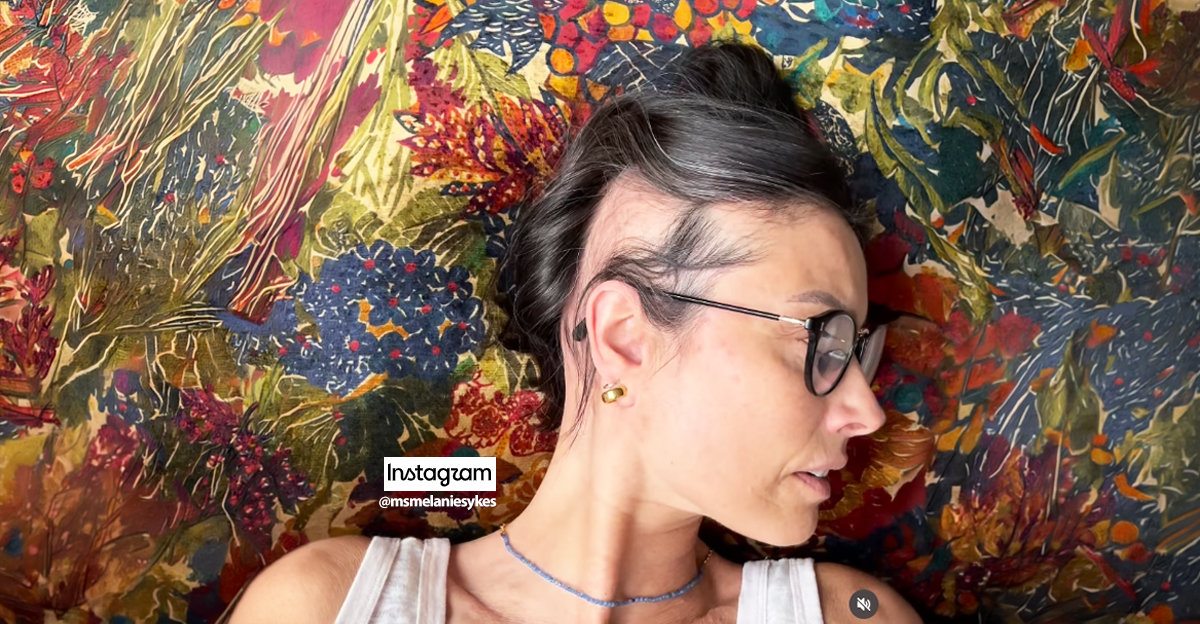
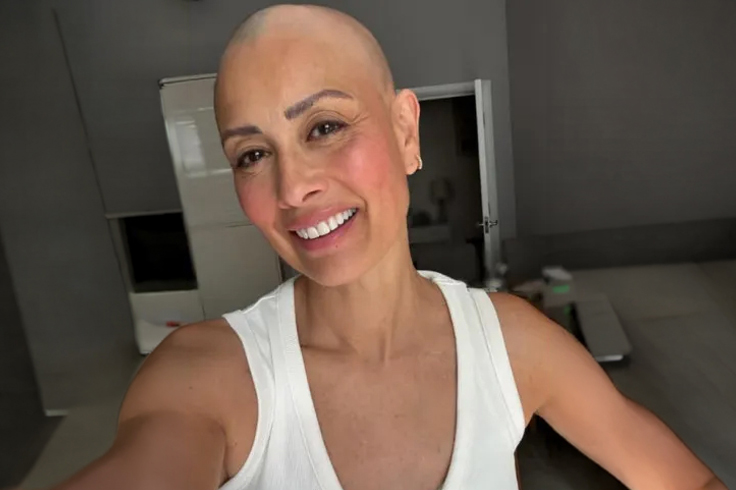
TV presenter Melanie Sykes has been sharing her own experience of alopecia and significant hair loss. More recently, she has shared photographs showing her head shaved, after previously speaking about losing around two-thirds of her hair. For many people living with alopecia, parts of her story may feel very familiar. Watching your hair change. Wondering what to do next. Trying a scarf. Thinking about a wig. Perhaps deciding to cut your hair shorter or shave it altogether. And, eventually, finding what feels right for you.
That last part really matters to us at Simply Wigs, because there isn’t one right way to live with hair loss.
Melanie Sykes' alopecia journey
Melanie first spoke publicly about experiencing significant hair loss in 2025 and has continued to share updates as her hair loss has progressed. At one point, she described herself as being around “two-thirds bald” and spoke about how quickly her hair was coming out. She has worn headscarves, talked about trying wigs and, more recently, shared photographs showing her head shaved.
Of course, this is Melanie’s personal experience.
Alopecia and hair loss can affect everybody differently. The cause, pattern and progression can vary enormously from one person to another, which is why any sudden or unexplained hair loss should always be discussed with your GP or an appropriate healthcare professional. What we do think is important, though, is that conversations like Melanie’s make hair loss more visible.
And sometimes simply knowing that somebody else understands a little of what you’re going through can make a difference.
What is alopecia?
Alopecia simply means hair loss, and there are several different types and causes.
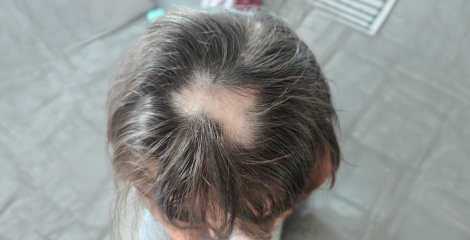
Alopecia areata is an autoimmune condition where the immune system attacks the hair follicles. It can cause small patches of hair loss, although for some people the hair loss can become much more extensive. Other forms include androgenetic alopecia, alopecia totalis and alopecia universalis.
If your hair has suddenly started to fall out, or you’ve noticed unexplained patches of hair loss, it is always worth speaking to your GP or an appropriate healthcare professional. There can be many reasons for hair loss, and getting advice that’s relevant to you is important.
Related article: My small alopecia patch
Do I have to wear a wig if I have alopecia?
No, not at all.
Some people are completely comfortable showing their hair loss. Others love wearing scarves or hats. Some wear wigs every day and wouldn’t be without them, while others might only choose to wear one for work, a special occasion or simply on days when they feel like it, and lots of people move between all of those choices. We think that’s important.
Wearing a wig should always be a choice.
It isn’t about hiding who you are. For some people, a wig simply helps them feel a little more like themselves again. For somebody else, it might be a chance to try a completely different hairstyle or colour. And another person might decide a wig isn’t for them at all.
Melanie has spoken publicly about wearing headscarves and trying wigs as her hair loss progressed. Her experience reflects something we’ve seen many times within the Simply Wigs community: what feels right at the beginning of your hair loss journey isn’t necessarily what will feel right six months or a year later.
And that’s perfectly okay.
Choosing your first wig after hair loss
If you’ve never worn a wig before, we completely understand why the thought of choosing one can feel daunting.
- Where on earth do you start?
- Will people know you’re wearing one?
- Will it stay in place?
- Will it feel comfortable?
- What if you have very little or no natural hair underneath?
These are questions our team hears all the time, particularly from people buying their very first wig.
If you have significant hair loss, comfort and security can become especially important. Softer cap constructions, monofilament areas, lace fronts and hand-tied caps are all things you may want to look at. But we’d never tell somebody that there is one particular “best wig for alopecia”. There isn’t.
The right wig for you depends on your scalp, how much hair you have, the style you love, your lifestyle, your budget and, most importantly, how the wig makes you feel when you put it on. That is why we always encourage people to take their time and ask questions. There really is no such thing as a silly wig question.
You may also find these useful:
You're not alone
One of the positive things that can come from somebody in the public eye talking openly about alopecia is that it brings hair loss into conversations where, historically, it has often been hidden away. But behind every celebrity story are thousands of individual stories.
We know that because we hear them.
We’ve spoken to people who discovered one tiny bald patch and had no idea what was happening and we’ve helped people whose hair loss progressed incredibly quickly. We’ve spoken to people who have worn wigs for decades and people nervously opening their very first wig box.
No two stories are quite the same.
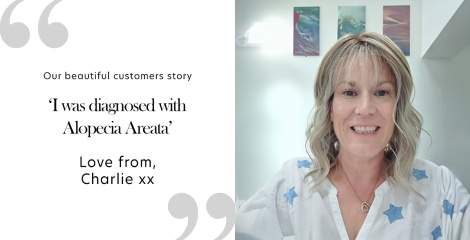
One of our customers, Charlie, shared her experience after being diagnosed with alopecia areata. It began with a small itchy patch and, as her hair loss progressed, she eventually discovered wigs and found a way of managing the alopecia that worked for her. Other members of our community have shared experiences of androgenetic alopecia, complete hair loss, shaving their heads, trying their first wig and gradually rediscovering their confidence.
We think those stories matter.
Because sometimes the most helpful person to hear from is somebody who has already stood where you’re standing now.
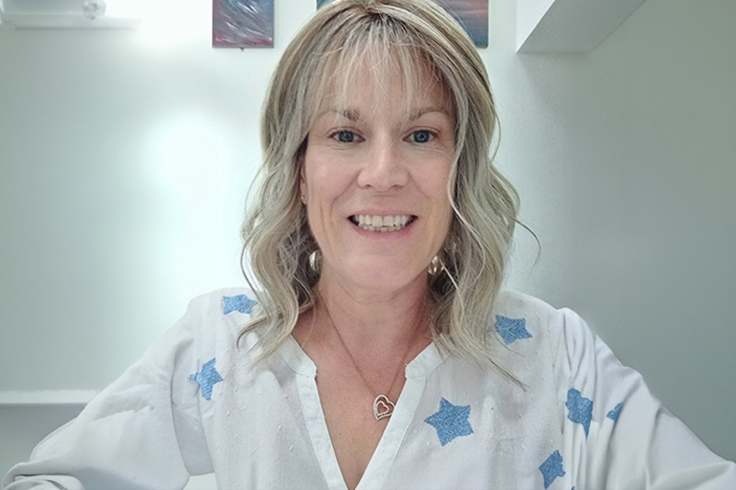
Real stories from our community:
I Was Diagnosed With Alopecia Areata
+ more alopecia community sharing stories
Hair loss is about more than hair
We understand why people sometimes say, “It’s only hair.” Usually, they’re trying to help.
But when you’re the person losing your hair, it can feel like anything but only hair. Our hair can be tied up with our identity, our confidence and the person we expect to see when we look in the mirror. For some people, adapting to hair loss happens quite quickly. For others, it can be incredibly difficult. And for many people there will be good days, difficult days and everything in between.
There is no correct way to feel about losing your hair, just as there is no correct way to look afterwards.
- You might decide to shave your head.
- You might fall in love with scarves.
- You might choose a wig that looks almost identical to the hair you had before.
- Or you might decide that, seeing as you’re choosing a wig, you’ve always fancied seeing what you’d look like as a blonde.
That’s your choice and we think it should always stay that way.
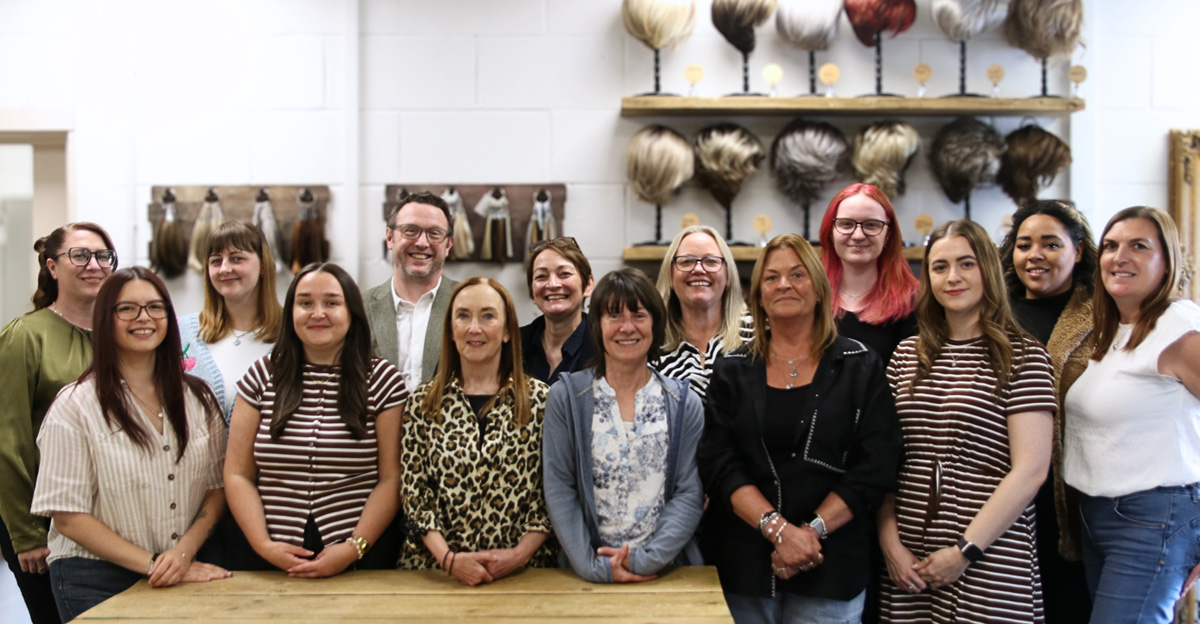
Need some help with alopecia or choosing a wig?
If alopecia has brought you into the world of wigs for the first time, please don’t feel that you have to understand everything before you begin. You don’t need to know about lace fronts, monofilaments, cap constructions, fibres and wig sizes straight away.
That’s what we’re here for.
Over the years, the Simply Wigs team has helped thousands of people experiencing medical hair loss, and we’ve learnt that sometimes the best place to start is simply with a conversation. Our Alopecia Hub brings together practical advice, helpful guides and, importantly, real experiences from people who understand what hair loss can actually feel like.
For further help and information, you can:
- Explore our Alopecia Articles
- Browse Wigs for Alopecia
- View our Wig Guides
Or, if you’d simply prefer to speak to somebody, please get in touch with our team. We’ll listen, answer your questions and help you find your way through it, at your pace.
A few common questions about alopecia
Hair loss can bring lots of questions, especially if alopecia is new to you. Here are some of the things people often ask us about Melanie Sykes' experience, alopecia and wearing wigs.
- Does Melanie Sykes have alopecia?
-
Yes. Melanie Sykes has spoken publicly about experiencing alopecia and significant hair loss. She first discussed her hair loss in 2025 and has continued to share updates about her experience.
- Has Melanie Sykes shaved her head?
-
Yes and No. Melanie has shared photographs showing her head shaved after experiencing significant hair loss and with her growing her hair back. For some people with alopecia, shaving their head can feel like the right step, but it is always a personal choice
- Has Melanie Sykes worn a wig?
-
Melanie has spoken publicly about trying wigs as her hair loss progressed, as well as wearing headscarves. Like many people experiencing alopecia, what feels right can change over time.
- Can you wear a wig if you have alopecia?
-
Yes. Many people with alopecia choose to wear wigs, either every day or just when they feel like it. Comfort, security and scalp sensitivity can all be important, particularly if you have significant hair loss.
- What type of wig is best for alopecia?
-
There isn’t one wig that is best for everyone with alopecia. Soft cap constructions, monofilament tops, lace fronts and hand-tied wigs can all be good options, depending on your scalp, lifestyle, budget and the look you want.
- Should I shave my head if I have alopecia?
-
There is no point at which you have to shave your head because of alopecia. Some people find that if they shave ther head, their hair loss becomes more extensive, while others prefer to keep their remaining hair. The right decision is the one that feels right for you.
- Will people know I am wearing a wig?
-
A well-chosen wig can look very natural. Features such as lace fronts, monofilament tops and carefully blended colours can all help create a realistic appearance. The most important thing is choosing a wig that feels comfortable, secure and right for you.



Comments
No comments yet. Be the first!
Leave a Comment