

Hair Loss During Cancer Treatment: A Complete Guide to Wigs, Headwear and Hair Regrowth


What's In This Article
Finding out that you may lose your hair during cancer treatment can bring all sorts of feelings. For some people, it’s something they’ve been expecting. For others, it’s the part of treatment they find particularly difficult to think about. You might be wondering whether your hair will fall out, when it might happen or whether you should start looking for a wig. Perhaps you’ve already begun chemotherapy and are trying to find something comfortable to wear. Or maybe you’re looking ahead to the day when your own hair begins to grow back.
Whatever has brought you here, we hope this guide will make things feel a little less complicated.
We've been helping people with hair loss for many years
Here at Simply Wigs, we’ve been helping people with hair loss for many years. We’ve spoken to customers who want a wig that looks exactly like their own hair, others who fancy trying a completely different style, and plenty who aren’t quite sure what they want yet. And that’s perfectly understandable. When there’s already so much to think about, choosing a wig or deciding what to do about your hair shouldn’t have to become another worry.
We’ve put together this guide to answer some of the questions we’re often asked about hair loss during cancer treatment, from preparing for chemotherapy and choosing a comfortable wig to looking after your scalp and understanding what happens when your hair starts growing back. You don’t have to make every decision today. Have a read, take what you need, and remember that there’s no right or wrong way to approach wearing a wig.
The Emotional Side of Hair Loss During Cancer Treatment
We will talk quite a lot about the practical side of hair loss, but we also wanted to mention something that’s just as important: how you feel about your hair.
For some people, losing their hair is a particularly upsetting part of cancer treatment. It might feel like a very visible reminder of what they’re going through, especially if they’ve always loved their hairstyle or enjoyed spending time looking after their hair. For others, hair loss may not feel like such a big concern. And sometimes, those feelings can change from one day to the next.
Over the years, we’ve spoken to customers who want their new wig to look so natural that nobody notices they’re wearing one. We’ve also met customers who embrace the opportunity to try a completely different look.
Some wear their wigs every day, while others keep one for the occasions when they fancy wearing hair. Every experience is different. What matters to us is that you feel comfortable making your own choices. You don’t have to explain why you want to wear a wig, and you don’t have to explain why you’d rather not.
If the changes to your appearance are becoming difficult to cope with, it’s worth speaking to your specialist nurse or someone you trust. Organisations such as Macmillan Cancer Support can also offer emotional support and practical advice.
If hearing from someone who’s been through something similar would help, you might also like to read Andrea’s story of radiotherapy, chemotherapy and finding the right wig, shared with the Simply Wigs community.
Why Does Cancer Treatment Cause Hair Loss?
One of the first things many people want to know is whether their cancer treatment will make their hair fall out.
The answer is that it depends on the treatment you’re having. Some cancer treatments affect the cells that help your hair grow. This can cause hair to become thinner, more fragile or, in some cases, fall out completely.
Hair Loss During Chemotherapy
Chemotherapy is probably the treatment most people associate with hair loss. Some chemotherapy medicines affect the rapidly dividing cells in your hair follicles, which can cause your hair to fall out. But something that’s worth knowing is that not everyone having chemotherapy will lose their hair.
Some people notice a little thinning, others experience more noticeable hair loss, and some lose most or all of their hair. Your hospital team will be able to tell you what’s likely with the particular treatment you’re receiving.
Hair Loss During Radiotherapy
Radiotherapy can also cause hair loss, but usually only in the area being treated. For example, if you’re having radiotherapy to your head, you may experience hair loss on your scalp. If you’re receiving treatment somewhere else, the hair on your head may not be affected.
Hair often grows back afterwards, although this depends on the area and dose of treatment. Sometimes the loss can be permanent.
What About Other Cancer Treatments?
Hormone therapies, targeted treatments and some immunotherapies can also affect your hair. You might notice that your hair feels finer, becomes drier or doesn’t seem quite as thick as it used to. Because everyone’s treatment is different, it’s always worth speaking to your cancer nurse if you’re unsure what to expect.
For more detailed medical advice, Macmillan Cancer Support has a useful guide to hair loss during treatment.
When Does Hair Start Falling Out During Chemotherapy?
If your chemotherapy is likely to cause hair loss, it often begins around two to three weeks after your first treatment, although it can happen sooner or later. You might notice more hair than usual coming out when you wash or brush it. Perhaps there’s hair on your pillow in the morning, or your hair simply feels thinner when you run your fingers through it.
Some people experience hair loss gradually, while for others it happens quite quickly. And yes, the scalp can sometimes feel tender during this time. One thing we think is important to mention is that hair loss isn’t a measure of how well your chemotherapy is working. If you don’t lose your hair, it doesn’t mean your treatment isn’t doing its job.
Will I Lose My Eyebrows and Eyelashes Too?
You might also notice changes to your eyebrows, eyelashes or other body hair. Again, this depends on your treatment, and it doesn’t happen to everyone. If you’re worried about your eyebrows becoming thinner, there are options such as eyebrow pencils and temporary eyebrows that can help
Preparing for Hair Loss Before Chemotherapy
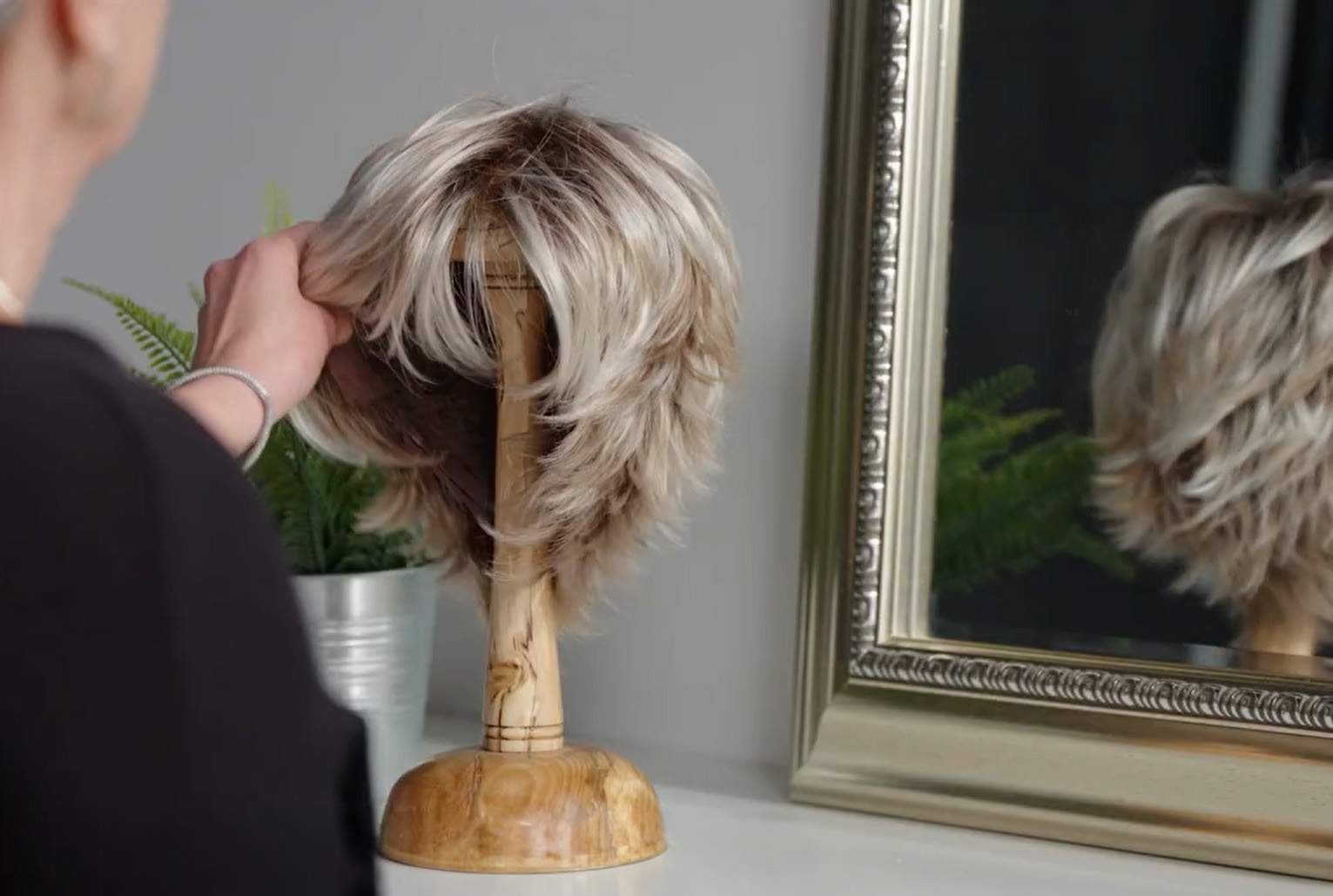
If you’ve been told that your treatment is likely to cause hair loss, you might be wondering whether there’s anything you should do beforehand. Our advice is to make a few practical preparations if you feel ready, but don’t put yourself under pressure to do everything at once. Some people find it helpful to choose a wig before treatment begins. Others prefer to wait and see how their hair changes. Both approaches are absolutely fine.
Is It Better to Choose a Wig Before Treatment?
There are a few advantages to looking at wigs before your treatment starts. If you’d like a wig that resembles your natural hair, it’s often easier to compare colours, lengths and styles while you still have your own hair. You can also take your time trying different looks without feeling rushed.
On the other hand, plenty of our customers don’t start looking for a wig until their hair begins to thin. There’s no particular deadline. Just bear in mind that a wig may fit differently once you’ve lost some or all of your natural hair.
Should I Cut My Hair Before Chemotherapy?
This is a question we hear quite often. For some people, having their hair cut shorter before chemotherapy makes the thought of losing it a little easier to manage. It can also make dealing with loose hair less difficult. But if you’ve always loved having long hair and would rather keep it for as long as possible, that’s your choice too. There really isn’t a rule.
If you’re thinking about shaving your head, be careful not to damage your scalp. Your treatment team can advise you about the safest way to do this, particularly if your skin is becoming sensitive.
We’ve put together some more ideas in our guide to preparing for hair loss during chemotherapy. If you’re thinking about your very first wig, you may also find our first-wig buying guide helpful. It explains how to start without making the process more complicated than it needs to be.
Preparing for Hair Loss Before Chemotherapy
If you’ve been told that your treatment is likely to cause hair loss, you might be wondering whether there’s anything you should do beforehand. Our advice is to make a few practical preparations if you feel ready, but don’t put yourself under pressure to do everything at once. Some people find it helpful to choose a wig before treatment begins. Others prefer to wait and see how their hair changes. Both approaches are absolutely fine.
Can a Cold Cap Help Prevent Hair Loss?
You may have heard people talking about cold caps or scalp cooling during chemotherapy. Scalp cooling involves wearing a specially designed cap that lowers the temperature of your scalp during treatment. For some people, this can help reduce the amount of hair they lose.
However, it doesn’t work for everyone, and it isn’t suitable for every type of chemotherapy or cancer. Some people also find the cold uncomfortable, and it can mean spending longer at the hospital. If it’s something you’re interested in, we’d suggest having a chat with your chemotherapy nurse before treatment begins. They’ll be able to explain whether scalp cooling is an option for you and what it involves.
You can also read Macmillan’s guide to scalp cooling.
Will My Hair Grow Back After Chemotherapy?
For many people, one of the things they look forward to after chemotherapy is seeing their own hair begin to grow again. The good news is that hair loss caused by chemotherapy is usually temporary, and most people find that their hair starts returning after treatment. For some, it even begins growing back before chemotherapy has finished.
But hair regrowth is different for everyone, so try not to compare your progress with somebody else’s. You might notice a little soft, fluffy hair appearing at first, followed by thicker growth over the following months.
Macmillan explains that many people have a covering of very short hair around three to six months after chemotherapy ends, although it can take longer. Certain chemotherapy medicines can sometimes cause lasting thinning or permanent hair loss, so if you’re concerned about how your hair is returning, speak to your cancer team.
Will My Hair Grow Back the Same as Before?
Not necessarily, and this is something that sometimes takes people by surprise. Your new hair might be a slightly different colour. It could feel finer, or perhaps you’ll notice curls appearing where your hair used to be straight. You’ve probably heard people mention chemo curls. They really can happen!
For some people, these changes settle as their hair continues to grow. Others find that their hair stays a little different. Whatever happens, it’s worth being gentle with your new hair while it’s growing.
How Should I Look After My Hair as It Grows Back?
New hair can be delicate, so we’d suggest keeping your routine nice and simple. Choose gentle hair products, avoid pulling at your hair and be careful with excessive heat. If you’re thinking about colouring your hair or having a chemical treatment, check with your healthcare team and an experienced hairdresser first. As your hair gets longer, you might enjoy experimenting with a few different hairstyles. A short pixie cut can look lovely, and before you know it, you may be thinking about a little bob.
We’ve put together more advice and hairstyle ideas in our guide to growing your hair after chemotherapy. For the medical side, Macmillan explains what to expect from hair regrowth.
Choosing a Wig During Cancer Treatment
If you’ve decided you’d like to wear a wig, you may be wondering where on earth to begin. With so many different styles, fibres, colours and cap constructions available, it’s easy to feel a little overwhelmed, particularly if you’ve never worn a wig before.
But choosing a wig doesn’t need to be complicated. We’d always suggest starting with three things:
- how comfortable it feels
- how well it fits
- whether you feel happy wearing it.
You might want a style that’s almost identical to your own hair. You might prefer something shorter and easier to manage. Or perhaps you’ve always fancied being a blonde! Whatever your preference, the aim is to find something that feels right for you.
What Are the Most Comfortable Wigs for Chemotherapy Patients?
Comfort is particularly important if your scalp has become sensitive or you’ve lost most of your natural hair. And while it’s tempting to choose a wig purely because you love the hairstyle, we’d always encourage you to have a good look at what’s happening underneath. The inside of a wig, known as the cap construction, can make quite a difference to how it feels against your head. Here are a few options worth knowing about.
Hand-Tied Wigs
Hand-tied wigs are made by attaching the hair individually to sections of the cap. Many have a soft, flexible construction, making them a lovely option to consider if you’re looking for something gentle against your scalp. They can also allow the hair to move naturally, which is particularly appealing if you’d like a realistic-looking style. Not every hand-tied wig feels the same, though, so it’s still important to check the fit and materials.
Monofilament Wigs
Monofilament wigs have a fine, sheer material in part or all of the cap. The clever thing about this construction is that the hair can look as though it’s growing naturally from your scalp, particularly around the parting and crown. Some wigs also feature a double monofilament construction, which has an additional layer that can feel softer against the head. It’s certainly something worth considering if comfort and a natural appearance are high on your list.
Lace Front Wigs
If you usually wear your hair away from your face, you might like to look at lace front wigs. The fine lace helps create a natural-looking hairline, so you can wear your fringe swept back or style your hair away from your forehead. Just bear in mind that lace can sometimes feel a little less comfortable against particularly sensitive skin.
Wefted Wigs
Wefted wigs are another popular option and are often lighter on the purse. Their open construction can allow more air to circulate, which some people appreciate if they tend to feel warm wearing a wig. However, if you have a very sensitive scalp, the inside seams may not feel quite as soft as some other constructions.
There’s no single cap that’s perfect for everyone. What feels beautifully comfortable to one person might not be quite right for someone else. If you’d like to understand these differences in more detail, have a read of our guide to the most comfortable wigs for chemotherapy patients.
You can also browse our wigs for cancer patients to get an idea of the different styles available.
Should I Choose a Human Hair or Synthetic Wig?


This is another question we’re asked regularly, and the answer really comes down to what matters most to you. Both human hair and synthetic wigs can look wonderfully natural, but there are a few differences worth considering.
- Synthetic wigs (first image) are a popular choice for people undergoing chemotherapy because they’re generally easy to look after. Most standard synthetic styles are ready to wear with very little styling. Give your wig a gentle shake, pop it on, make any small adjustments and you’re ready to go.
If you’re feeling tired or simply don’t fancy spending ages getting ready in the morning, that convenience can be a real advantage.
- Human hair wigs (second image) offer more flexibility when it comes to styling. They have the familiar feel and movement of natural hair, and many can be styled in different ways using suitable tools. However, they tend to cost more and generally require a little more care. Something we always like to point out is that a human hair wig isn’t necessarily more comfortable than a synthetic one. The cap construction and fit are usually far more important when it comes to comfort.
We’ve explained the differences in our Human Hair Wigs vs Synthetic Wigs guide, which is a useful read if you’re still deciding.
How Can I Make My Wig More Comfortable During Chemotherapy?
If you’re new to wearing a wig, it can feel a little strange at first. That’s quite normal. After all, you’re getting used to wearing something on your head that you haven’t worn before.
There are a few simple things that may help.
- Make sure your wig fits properly. A wig that’s too tight can cause pressure and discomfort, while one that’s too loose may move around. Getting the size right is one of the most important parts of choosing a wig.
- Consider a soft wig liner. Some people find that wearing a soft liner underneath their wig makes it feel more comfortable against their scalp. Others are happier without one. It’s worth trying both to see what works for you.
- Take breaks whenever you want to. You don’t have to wear your wig all day. You might prefer a soft turban when you’re relaxing at home, or perhaps you enjoy having nothing on your head.
- Be careful with clips and adhesives. If your scalp is sensitive or you have very little natural hair, some attachment methods may not be suitable. Avoid anything that pulls, rubs or irritates your skin, and ask your healthcare team before using adhesives on skin affected by treatment.
And remember, it can take a little time to get used to your new wig. There’s no need to wear it for hours straight away. If you’d like some help with the basics, our beginner’s guide to putting on a wig explains everything step by step.
Looking After Your Scalp During Chemotherapy
When you’re losing your hair, it’s easy to forget that your scalp needs a little attention too.
Your skin may feel drier or more delicate than usual, and some people notice tenderness as their hair starts to fall out. A gentle approach is usually best. You might find it helpful to use a mild, fragrance-free shampoo and avoid products that leave your scalp feeling dry or irritated.
If your skin feels dry, ask your healthcare team about a suitable moisturiser, particularly if you’re having radiotherapy to your head. It’s also worth thinking about what you wear against your scalp. Soft fabrics, comfortable wig caps and headwear without rough seams can make everyday life a little more pleasant.
And if you’re going outside without your wig, remember that your scalp needs protecting from the sun, just like the rest of your skin. If you notice soreness, broken skin or a persistent rash, speak to your treatment team rather than trying to treat it yourself. You can find further advice in Macmillan’s information about cancer hair care.
What If I Don't Want to Wear a Wig?
Then you don’t have to!
We know that wigs can make a real difference to how some people feel about their appearance, but they’re certainly not the only option. In fact, many of our customers enjoy having a mixture of wigs, scarves and turbans so they can choose what to wear depending on how they’re feeling. You might love wearing your wig when you’re meeting friends but prefer a comfortable headscarf when you’re pottering around the house. Or perhaps a pretty turban feels more like you than a wig ever would. There are lots of lovely options available.
Choosing Headwear During Chemotherapy
If you’re looking at turbans, scarves or hats, we’d suggest thinking about comfort before anything else. Soft cotton and bamboo-derived fabrics are popular because they can feel gentle against the scalp. Pre-tied turbans can be particularly handy if you want something that’s quick to pop on, without having to spend time arranging a scarf.
And you don’t have to stick to plain colours. There are some beautiful patterns and designs available if you fancy bringing a little colour into your wardrobe.
Our Ultimate Guide to Headwear for Hair Loss has plenty more advice about choosing different styles and fabrics. If you’d like to know more about materials, we also have a guide to headwear fabrics. You can also explore our chemotherapy headwear collection. The lovely thing about having different options is that you can choose what suits you on the day.
Can I Get a Free Wig During Cancer Treatment?
If you’re thinking about buying a wig, it’s worth checking whether you’re entitled to financial help. Depending on your circumstances and where you live in the UK, you may be able to obtain a wig through your hospital or receive help with the cost.
In England, NHS wigs are available, but charges usually apply unless you qualify for free provision or financial assistance. Arrangements differ in Scotland, Wales and Northern Ireland, so it’s worth asking your hospital team what support is available locally. Your specialist nurse is a good person to start with. They may be able to explain how the hospital wig service works or point you in the right direction.
You can also find information about eligibility and charges on the NHS website.
Can I Claim VAT Relief When Buying a Wig?
This is something we particularly want our customers to know about, because it can make a difference to the cost of a wig.
If you’re buying a wig because of hair loss associated with chemotherapy or another qualifying medical condition, you may be entitled to VAT relief provided you meet HMRC’s eligibility rules and the wig qualifies. That means eligible customers can purchase qualifying wigs without paying the VAT that would normally be included in the price.
At Simply Wigs, we’ve tried to make the process as straightforward as possible. If you’re eligible and ordering online, you can complete the VAT relief declaration during checkout. For telephone orders, our team can explain the declaration and refund process. If you’re not sure whether you’re eligible, please ask. We’re always happy to explain how our process works, although HMRC’s rules determine who qualifies.
We’ve written a detailed guide to VAT relief on wigs that explains who may qualify, how to claim and how much you could save.
When Should I Stop Wearing My Wig After Chemotherapy?
There’s no answer to this one, because it’s entirely up to you.
Some people are delighted to show off their new hair as soon as it begins to grow. Others prefer to continue wearing their wig until their own hair is a little longer. And some people discover that they quite enjoy wearing wigs and decide to carry on! You might even find yourself alternating between your own hair and your favourite wig for a while.
A properly fitted wig shouldn’t prevent your natural hair from growing back, provided it isn’t causing rubbing, pressure or unnecessary tension. The important thing is that you’re comfortable with your decision. You don’t need to stop wearing your wig just because your treatment has finished, and you certainly don’t need to rush into showing your new hair before you feel ready.
Frequently Asked Questions About Cancer Treatment and Hair Loss
There are a few questions that come up regularly when customers are looking for a wig during cancer treatment, so we've answered some of them below.
- Does Everyone Lose Their Hair During Chemotherapy?
-
No. Whether you lose your hair depends on the chemotherapy medicines you’re receiving. Some treatments cause significant hair loss, while others may cause thinning or very little change.
- When Does Hair Loss Start During Chemotherapy?
-
If your treatment causes hair loss, it commonly begins around two to three weeks after your first chemotherapy session. However, everyone’s experience is different.
- What Is the Best Wig for Someone Having Chemotherapy?
-
The best wig is one that feels comfortable, fits properly and suits your preferences. Lightweight wigs with soft cap constructions, including certain hand-tied and monofilament styles, are worth considering if your scalp is sensitive.
- Are Synthetic Wigs Suitable for Cancer Patients?
-
Yes. Synthetic wigs are a popular choice because they’re often ready to wear, easy to maintain and available in a wide range of styles and prices. Human hair wigs are also an option if you’d prefer greater styling flexibility.
- Should I Buy My Wig Before Chemotherapy?
-
It’s completely up to you. Buying before treatment can make matching your natural hair easier, but many people prefer to wait until their hair begins to change.
- Can I Wear a Wig on a Sensitive Scalp?
-
Often, yes, although the right fit and cap construction are important. If your scalp is sore, inflamed or damaged, speak to your healthcare team before wearing a wig or using adhesives.
- Will My Hair Grow Back After Chemotherapy?
-
For most people, hair begins growing back after chemotherapy finishes. It may initially look or feel different, and the timing varies. Occasionally, some treatments can cause longer-lasting hair loss.
- Can I Get a Free Wig During Cancer Treatment?
-
Yes, you may be eligible for a free NHS wig or financial assistance, depending on where you live and your circumstances. Your hospital team can explain the arrangements available to you.
- Can I Keep Wearing My Wig While My Hair Grows Back?
-
Of course. Lots of people continue wearing their wig while their natural hair grows. As long as the wig fits comfortably and doesn’t pull or irritate your hair or scalp, it shouldn’t interfere with normal regrowth.
We know there’s quite a lot of information to take in, especially if you’re new to wearing wigs. If there’s something you’d like to look into a little further, we’ve brought together some of our other guides that might help.
Getting ready for treatment: 5 Ways to Prepare for Hair Loss from Chemotherapy | a few practical ideas to help you prepare for possible hair loss.
Finding a comfortable wig: The Most Comfortable Wigs for Chemotherapy Patients | a closer look at the cap constructions and features that can make wigs comfortable to wear.
Choosing your first wig: Your First Wig: A Simple Guide to Getting Started | a calm, practical starting point if you’re new to wigs.
Putting your wig on: How to Put on a Wig: A Beginner’s Guide | simple advice for positioning and adjusting your wig.
Exploring headwear: The Ultimate Guide to Headwear for Hair Loss | explore turbans, scarves and other alternatives to wigs.
When your hair starts growing back: A Guide to Growing Your Hair After Chemo | information about regrowth and styling your hair as it returns.
Understanding VAT relief: How to Get VAT Relief on Wigs | find out whether you may be eligible and how to claim when buying a wig.
A real customer experience: Radiotherapy, Chemotherapy and Finding the Right Wig | Andrea’s story, in her own words.
A Little Word From Us at Simply Wigs
If there’s one thing we’d like you to take away from this guide, it’s that you have choices.
You might want to find a wig that looks just like your own hair. You might prefer a pretty turban, a soft scarf or a mixture of different styles. And you might decide that you don’t want to wear anything on your head at all. Whatever feels right for you is what matters. We’ve been helping customers with hair loss since Simply Wigs began, and we know that sometimes the smallest details make the biggest difference. Whether that’s finding a wig that sits comfortably, choosing the right colour or having someone explain what a monofilament cap actually is!
If you’re unsure about anything wig-related, our friendly team is always happy to have a chat. There’s no pressure to buy, and there’s certainly no such thing as a silly question. We’re here to help make choosing and wearing a wig a little easier, whenever you need us.
Get in touch with the Simply Wigs team whenever you’d like some advice.
The Simply Wigs Team x
| About This Guide | |
|---|---|
| Prepared by | This guide has been prepared by the Simply Wigs team, drawing on our experience helping customers experiencing hair loss, including those undergoing cancer treatment. |
| Our Aim | Our aim is to make information about wigs and headwear easier to understand while offering practical advice for anyone who may be new to wearing a wig. |
| Medical Guidance | The medical information in this article is intended as general guidance and shouldn’t replace advice from your doctor, oncology team or specialist nurse. For clinical questions, please follow the advice of your own treatment team. |
| Trusted Sources and Further Support | |
| Hair Loss During Treatment | Macmillan Cancer Support – Hair loss during treatment |
| Cancer Hair Care | Macmillan Cancer Support – Cancer hair care |
| Hair Regrowth | Macmillan Cancer Support – Hair regrowth after treatment |
| Scalp Cooling | Macmillan Cancer Support – Scalp cooling |
| NHS Wigs | NHS – Wigs and fabric supports |
| VAT Relief | HMRC – VAT relief on eligible goods |










Comments
No comments yet. Be the first!
Leave a Comment