

Hair Regrowth After Chemotherapy: What to Expect and How to Care for Your Hair


What's In This Article
If you’ve finished chemotherapy and you’re beginning to notice little signs of your hair growing back, you may have all sorts of questions. When will it get thicker? Will it look the same as before? And what on earth can you do with those first few centimetres of new hair?
Perhaps you’re excited to see it returning. Perhaps it feels frustratingly slow. Or maybe you’re quite happy wearing your wig for now and aren’t in any hurry to change things. However you’re feeling, there’s no timetable you need to follow.
Here at Simply Wigs, we’ve spoken to many people who are getting used to their hair again after cancer treatment. Some love the first signs of a new pixie cut; others would rather wait until their hair is a little longer before going without a wig. We understand that hair regrowth can be a personal part of recovery, and we hope this guide makes the practical side a little easier.
The short answer
Hair usually starts to grow back after chemotherapy, although it can sometimes begin during treatment. Many people have a covering of short hair within three to six months of finishing treatment, but regrowth varies and may take considerably longer. Your new hair may also be a different colour, texture or thickness. If you’re concerned about how it’s growing back, your cancer team is the best place to ask.
If you’re still preparing for or going through treatment, you may prefer to begin with our complete guide to hair loss during cancer treatment.
When Does Hair Grow Back After Chemotherapy?
For most people, hair starts growing again after chemotherapy has finished. Sometimes the first signs appear while treatment is still under way. Exactly when this happens depends on the medicines you’ve been given, how your body responds and whether you’re having other treatments too.
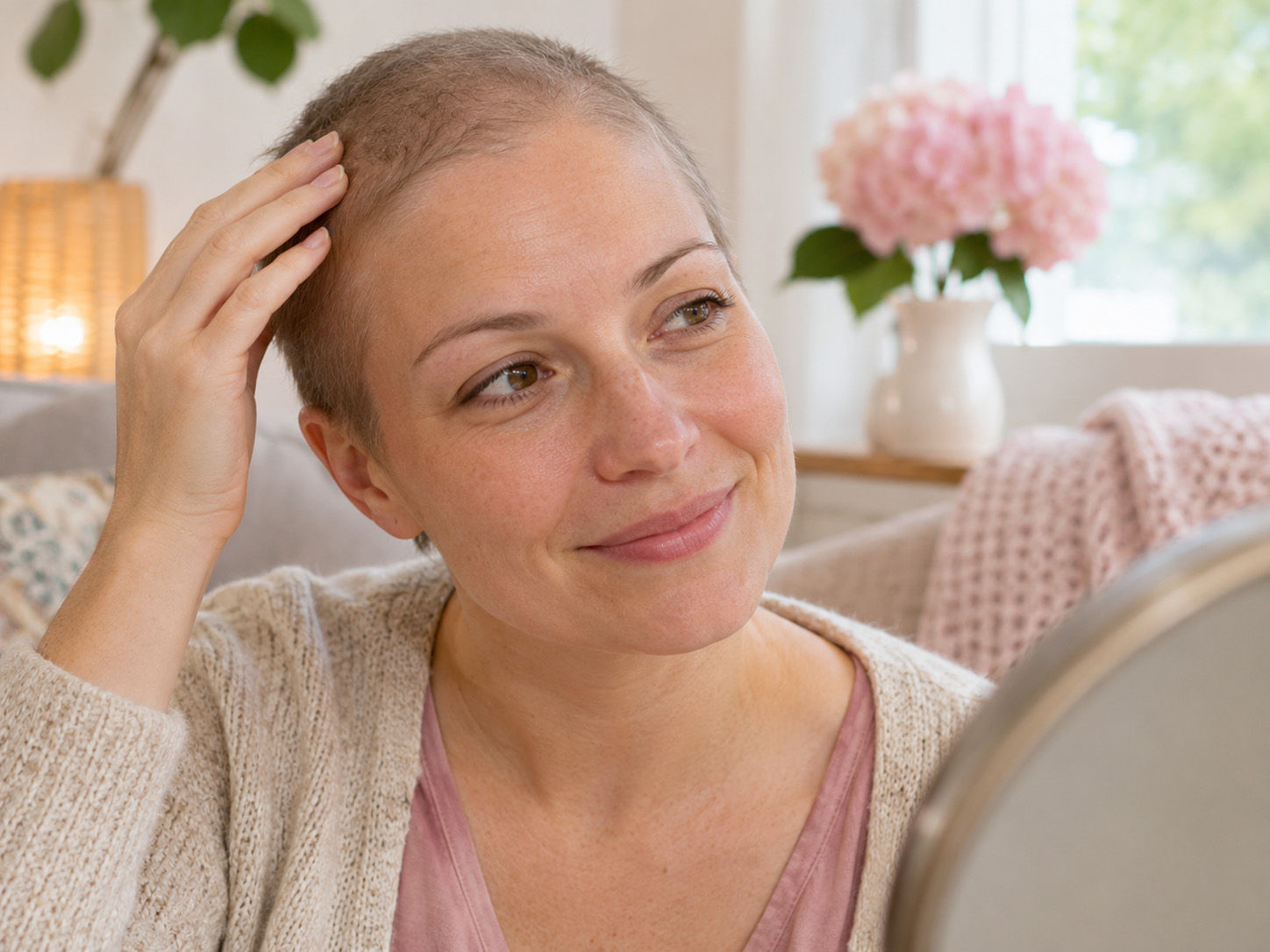
You may first notice a fine, soft covering on your scalp. It might be lighter than you remember, a little patchy or so short that you can barely see it. That’s not unusual.
It’s tempting to compare your progress with someone else’s, especially when you’re hoping to see your familiar hairstyle again. But hair regrowth isn’t a race, and the experience can be very different from person to person.
According to Macmillan Cancer Support, hair loss from chemotherapy is usually temporary, although certain treatments can occasionally cause longer-lasting or permanent changes. Your specialist nurse can talk through what might be expected with your treatment.
Hair Regrowth After Chemo: A Gentle Guide to the Timeline
In the first weeks after treatment
Some people begin to notice a soft layer of fine hair. Others don’t see much change yet. It can be difficult to tell whether it’s growing, especially at the beginning, so try not to feel you need to check it every day.
Over the following three to six months
Many people gradually develop a covering of very short hair during this period. It may grow unevenly, with some areas filling in sooner than others. Your hair might feel fluffy, fine, straight or curly. Macmillan uses three to six months as a general guide for a covering of short hair, rather than a promise that everyone’s hair will be back to its previous fullness by then.
Six to twelve months and beyond
As the months pass, you may find that your hair has enough length for a cropped style or a short pixie cut. By around twelve months, some people have a clearer idea of how thick their hair is becoming, although others still notice changes.
If you previously had long hair, it can take much longer to reach that length again. And if your hair is slow to return, it’s important to get advice rather than relying on someone else’s timeline.
For more medical information, see Macmillan’s guide to hair regrowth after cancer treatment.
Will My Hair Grow Back the Same?
This is one of the things that can take people by surprise. You might have had straight, thick, dark hair before treatment and find that your new hair is fine, lighter or unexpectedly curly. Or perhaps it comes back straighter than before.
Those new curls are sometimes called chemo curls. They can be lovely, baffling or a bit of both!
Changes in texture and colour may settle over time, but not everybody’s hair returns to exactly how it was before. Some people experience lasting differences in thickness or growth, which is why we wouldn’t want to promise that your familiar hair will definitely return.
What Are Chemo Curls?
If your hair has grown back curly, you may find that it prefers a slightly different routine. A light touch, gentle detangling and avoiding too much heat can help you get used to its new texture. You don’t have to fight the curls, but you don’t have to love them immediately either.
How to Care for Your Hair as It Grows Back After Chemo
- Wash gently. Use a shampoo that suits your hair and scalp. If your skin feels dry or easily irritated, you might prefer a mild, fragrance-free option.
- Be kind when brushing. Use a soft brush or wide-toothed comb and avoid pulling at tangles. If your hair is curly or tightly coiled, ask a hair professional about detangling methods that suit its texture.
- Take care with heat. Letting your hair dry naturally where practical, and keeping heated styling to a minimum, may help reduce breakage.
- Protect your scalp. If your new hair is very short, remember to protect any exposed scalp from the sun and cold. A soft hat or turban can be useful.
- Choose comfortable styles. Avoid tight ponytails, extensions or accessories that pull on delicate new hair.
- Ask before trying strong treatments. If your scalp is sore, you have had radiotherapy to your head, or you’re unsure about a product, follow your treatment team’s advice.
Macmillan’s cancer hair care advice has further suggestions for looking after hair and scalp during and after treatment.
Can I Colour My Hair After Chemotherapy?
We completely understand wanting to colour your hair again, particularly if the shade coming through looks nothing like the one you’re used to.
But new hair and your scalp may be more fragile for a while. Cancer Research UK advises avoiding stronger chemical treatments, including permanent and semi-permanent dyes, bleaching, perming and relaxing, for around six months after chemotherapy.
When you’re ready, speak to a hairdresser who understands post-treatment hair care and check with your healthcare team if you have any concerns. Always follow the product’s skin-sensitivity and strand-testing instructions, even if you’ve used the same colour before.
Will Hair Vitamins or Products Make It Grow Faster?
It’s easy to come across adverts promising faster hair growth, especially when you’re feeling impatient for your hair to return.
We wouldn’t want you spending money on supplements or treatments simply because they promise a quick result. There’s no reliable way to guarantee faster regrowth after chemotherapy, and some products or supplements may not be appropriate alongside cancer treatment.
If you’re considering minoxidil, vitamins or another treatment for hair growth, ask your cancer team or GP first. They can help you understand what’s safe and whether any investigation or treatment is needed.
Short Hairstyles to Try as Your Hair Grows Back
One thing we loved about Emma’s original article was the reminder that you don’t have to wait for shoulder-length hair to enjoy a hairstyle. Of course, you might not feel ready to style it just yet, and that’s absolutely fine. But if you fancy experimenting as your hair gets longer, here are a few ideas.
1. The Very Short Crop or Buzz Cut
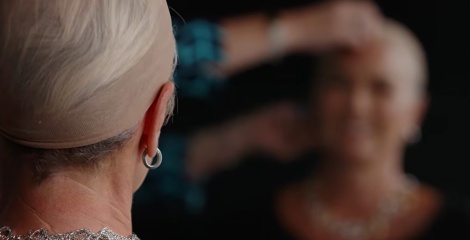
Those first centimetres of hair can create a lovely, simple cropped look. There’s very little styling involved, which is useful if you prefer an easy morning routine. You may decide to leave it exactly as it is, or pair it with a favourite pair of earrings, a headscarf or a touch of make-up. Equally, you don’t need to do anything at all.
2. The Close-Cropped Style
Once you have a little more length, a close crop can give your hair some shape. A hairdresser may be able to tidy the edges while allowing the top to grow. If your hair is coming in unevenly, a gentle trim can help the style look more balanced. A trim won’t make the hair grow faster, but it may make the growing-out stage easier to manage.
3. The Pixie Cut
The pixie cut is a favourite for a reason. It can look soft and delicate or a little more textured, depending on how your hair grows.A side parting, a gentle sweep across the forehead or a small accessory can make it feel like a hairstyle you’ve chosen, rather than simply a stage you have to get through. If your hair is fragile, avoid tight clips or anything that pulls on the roots.
4. The Short Bob
As your hair gains length around your ears and neckline, you may begin to see the outline of a bob. Some people prefer a soft, rounded shape; others like a straighter cut. A hairdresser can help you work with the texture and thickness you have now, rather than the hair you used to have.
5. Growing Towards Shoulder Length
If you’ve always loved longer hair, this might be the stage you’re looking forward to. It can take time, and the hair at the back sometimes reaches an awkward length before the front catches up. You may find occasional shaping trims useful, or you might prefer to leave it alone for a while. There’s no need to rush into a cut if you’re enjoying seeing the length return.
Can I Keep Wearing a Wig While My Hair Grows Back?
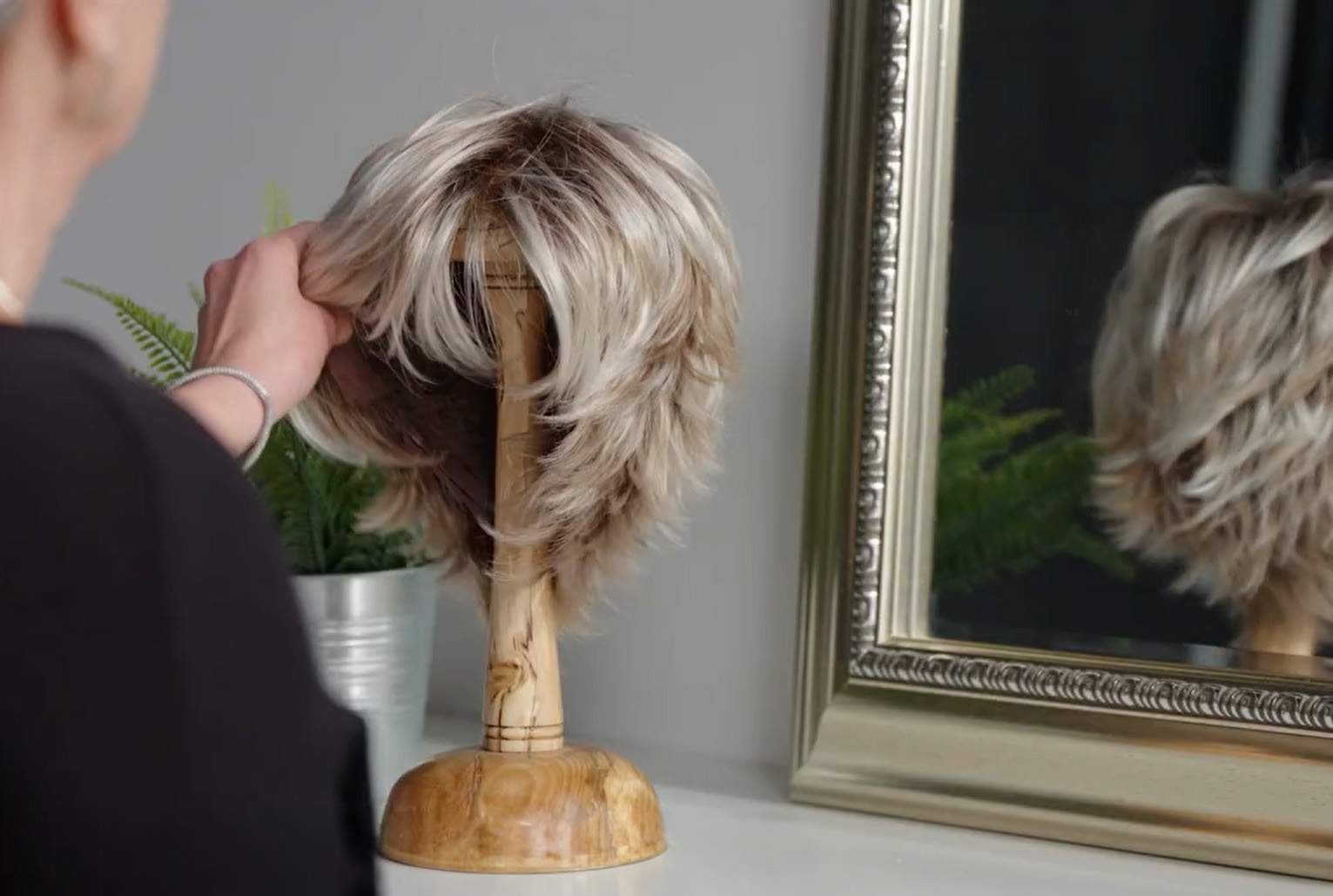
Yes, you can. Wearing a properly fitted wig doesn’t normally prevent your natural hair from growing back. Macmillan also makes this clear in its hair regrowth guidance.
Some of our customers are ready to show their short new hairstyle as soon as it appears. Others love the familiarity of their wig and carry on wearing it until their hair is longer. And some simply enjoy having both options.
If you’d like to continue wearing a wig, keep an eye on the fit as your hair grows. You might find you need to adjust how you tuck your hair underneath, and a soft wig cap may feel comfortable. Avoid anything that rubs your scalp or pulls at fragile strands.
Our guide to protecting your natural hair under a wig has further practical tips, and our guide to comfortable wigs for chemotherapy patients explains the features worth considering if your scalp is sensitive.
If you fancy having a break from wearing your wig, a soft scarf or turban can be a lovely alternative while your hair is growing back. You can explore our chemotherapy headwear collection for comfortable styles, or have a read of our headwear for hair loss guide for a little more inspiration.
What About Hair Toppers and Extensions?
If your hair is growing back thinly or in patches, you might wonder whether a hair topper or hairpiece would give you a little extra coverage.
It depends on the amount and condition of your own hair. Many toppers are held in place by clips, which need enough healthy hair to grip without pulling. Extensions can also place tension on delicate strands.
For that reason, we wouldn’t recommend attaching clips or extensions to weak new growth without professional advice. A full wig or soft headwear may be a gentler temporary option. You can learn more about attachment and suitability in our hair toppers buying guide.
What If My Hair Is Growing Back Slowly or in Patches?
This can be one of the hardest parts of waiting for hair to return. Perhaps one area seems to be doing well while another hardly changes, or your hair is much finer than it used to be.
We’ve heard from readers whose regrowth took considerably longer than the timelines they had seen elsewhere. That’s an important reminder that general averages don’t describe everyone’s experience.
Hair loss after chemotherapy is usually temporary, but some medicines can lead to persistent thinning or, occasionally, permanent loss. Other treatments can affect hair regrowth too. If you’re worried about patchiness, ongoing shedding or little improvement, please speak to your specialist nurse, oncology team or GP. They can consider your treatment history and whether you need further assessment.
You don’t need to wait until your hair reaches a certain length to ask for help.
Feeling Like Yourself Again, Whatever Your Hair Is Doing
We know that getting used to your hair after treatment isn’t always as straightforward as watching it grow.
You might feel thrilled to see the first signs of new hair and then frustrated when it doesn’t grow as quickly as you’d hoped. You might prefer your wig some days and your own hair on others. You might even discover you love your new short style. There isn’t one correct way to feel about any of it. And you don’t owe anybody an explanation for choosing to wear a wig, a scarf or neither.
At Simply Wigs, we’re always happy to help with the wig-wearing side of things, whether you’re looking for a more comfortable fit, thinking about a different style or wondering how to wear a wig over new growth. If you need us, our friendly team is here to help.
Frequently Asked Questions About Hair Regrowth After Chemo
If you've still got a few questions, here are some straightforward answers to the things people often wonder about.
- How long does it take for hair to grow back after chemotherapy?
-
Hair often starts growing after chemotherapy ends, and many people have a covering of very short hair within three to six months. But it’s only a general guide. Regrowth can be slower, uneven or incomplete, so speak to your cancer team if you’re concerned.
- Does hair always grow back after chemo?
-
For most people, yes. However, certain chemotherapy medicines can sometimes cause lasting thinning or permanent hair loss. Your specialist team can explain any particular risks associated with your treatment.
- Why is my hair curly after chemotherapy?
-
Changes in texture are quite common. Some people notice new curls, sometimes called chemo curls, while others find their hair grows back straighter or finer. These changes may settle over time, but not always.
- What helps hair grow faster after chemotherapy?
-
There isn’t a proven quick fix that guarantees faster regrowth. Gentle hair care can help protect new strands from damage, but it won’t necessarily make them grow faster. Talk to your healthcare team before taking supplements or using hair-growth medicines.
- When can I dye my hair after chemotherapy?
-
Cancer Research UK advises avoiding stronger chemical hair treatments for around six months after chemotherapy. When you’re considering colour again, speak to a knowledgeable hairdresser and follow your healthcare team’s advice, particularly if your scalp is sensitive.
- Can I still wear my wig when my hair is growing back?
-
Of course. A properly fitted wig won’t normally stop your hair growing. Keep it comfortable, avoid tension on new hair and take breaks whenever you fancy.
- Should I cut my hair as it grows back?
-
Only if you want to. Small trims may help create a shape you enjoy, but cutting your hair doesn’t make it grow faster. A hairdresser experienced in post-treatment hair care can help you work with the length and texture you have.
Where to Go Next
If you’d like to explore a particular part of the hair-loss journey, these Simply Wigs guides may be useful:
- Hair Loss During Cancer Treatment: A Complete Guide – the wider picture, from treatment and scalp care to wigs and regrowth.
- How to Prepare for Hair Loss from Chemotherapy – practical ideas if you’re approaching treatment.
- The Most Comfortable Wigs for Chemotherapy Patients – how to choose a wig with comfort in mind.
- The Ultimate Guide to Headwear for Hair Loss – scarves, turbans and other comfortable options.
If you’re browsing for a wig while your own hair grows, you can also explore our wigs for cancer patients at your own pace.
About this guide
About This Guide
Prepared by Emma and the Simply Wigs team, drawing on our experience helping customers through medical hair loss. We hope it offers a little reassurance and some practical ideas as your hair grows back.
The medical information is general guidance, not a substitute for advice from your oncologist, specialist nurse or GP. Your treatment and hair regrowth experience are individual, so always follow advice from your own healthcare team.
Trusted sources and further support:








Comments
No comments yet. Be the first!
Leave a Comment