

The Best Wigs for Older Women: Styles for Your 50s, 60s, 70s and Beyond


What's In This Article
We’ll say this first: you probably don’t think of yourself as an older woman, and neither do we. Most of the women who come to our shop in their sixties and seventies are busier than we are. But there’s no getting round the fact that hair changes as the years go by, and so does what you want from a wig. This guide is about that.
We’ve been helping women choose wigs since 2007, and a good half of the customers we see are over fifty. Some have hair loss from alopecia or treatment. Many more simply have hair that’s thinner, finer or greyer than it was, and want it back, or want something better. Below is everything we’ve learned about wigs for older women: what changes and why it matters, what to look for in a cap, how to choose a grey (or not), the styles our customers love decade by decade, how to keep it natural, and what to do if you’re choosing for your mum rather than yourself.
The Short Answer
The best wigs for older women are light, comfortable and easy to look after: a monofilament or lace front cap so the parting and hairline look like your own, a low to medium density so the hair doesn’t look too thick for your face, and a pre-styled synthetic fibre so it looks the same every morning with a shake. Short and chin-length styles are the most popular with our customers over sixty because they’re the least work, but there’s no rule about length. Choose a colour with a little root or a soft blend rather than a solid block, whether that’s grey, blonde or brunette.
What Changes After 50, and Why It Matters for Wigs
Hair naturally thins and finishes finer with age, and for many women the change speeds up after the menopause. Female pattern hair loss, which shows as a wider parting and less volume on top rather than bald patches, becomes more common in the fifties and sixties. Grey comes for most of us, and greying hair is often coarser and drier than it was. The scalp can become more sensitive too. None of this is a problem in itself, but it changes what a good wig looks like.
Thinner hair means density matters. A wig with a full, thick head of hair can look wrong above a face that has always had fine hair. Our customers over sixty almost always prefer lighter density, and Carol, who asked us about this in the comments, was right to.
A sensitive scalp means the cap matters. Soft, hand-tied or monofilament tops sit more gently than wefted caps. A liner underneath adds comfort.
Glasses and hearing aids mean the sides matter. Bulky sides push glasses out and rub on hearing aids. Styles with softer, closer sides, or a slightly longer cut that tucks, are easier to live with.
Dexterity matters. If your hands aren’t what they were, you want a wig that goes on with two hands and no fiddling: a good fit, adjustable straps you set once, and a style that doesn’t need a mirror and a comb every morning.
Warmth matters. A wig is warmer than your own hair. A lightweight, open-wefted or lace cap is noticeably cooler.
If hair loss has come on suddenly, or with other symptoms, it’s worth seeing your GP; the NHS has good guidance on when to ask. Age UK is a helpful starting point for wider questions about looking after yourself as you get older.
What to Look For: Our Seven-Point Checklist
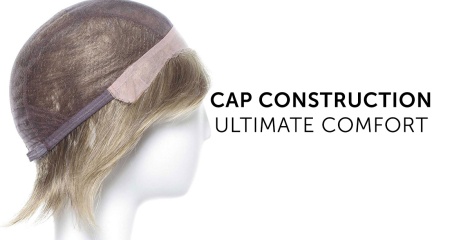
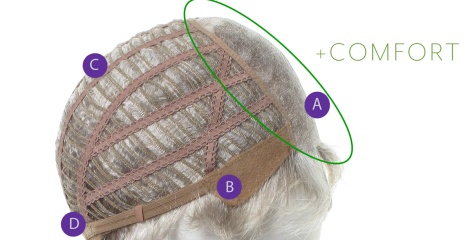
- A monofilament top or parting. The hair looks as if it grows from your scalp and you can change the parting. Our monofilament wigs are the ones we recommend most to customers over fifty.
- A lace front, or a fringe. Either gives you a natural hairline. Lace fronts are pre-cut and softer than they used to be; a fringe hides the hairline altogether. See our lace front wigs.
- Light to medium density. Ask us which styles are lighter; it isn’t always obvious from photographs. Ellen Wille, Raquel Welch and Gisela Mayer all make lighter-density styles across their ranges.
- The right cap size. Heads are often a little smaller in this age group and a petite cap can make the difference between a wig that sits and a wig that slips. Measure with our wig size guide and browse petite size wigs if you’re on the smaller side.
- Synthetic, unless you have a reason. Synthetic fibre holds its style between washes, dries quickly and costs a fraction of human hair. For most women it’s the right first choice. Our article on whether human hair wigs are worth the extra cost weighs it up.
- A colour with movement. Rooted, blended or highlighted shades look far more natural than a single flat colour, especially in grey. More on this below.
- A style that suits your life, not your age. If you’ve always had long hair, there’s no reason to stop. If you’d like the ease of a crop, have the crop. Our wig cap construction guide explains the options if you’d like to go deeper.
Choosing a Grey (or Choosing Not To)
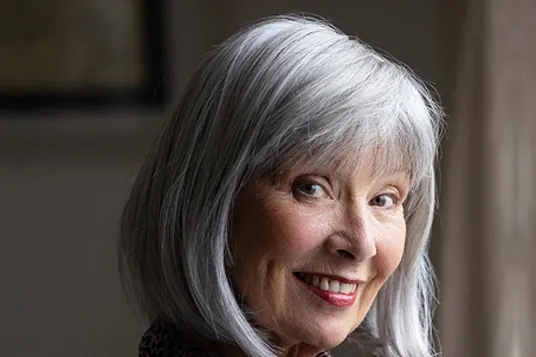
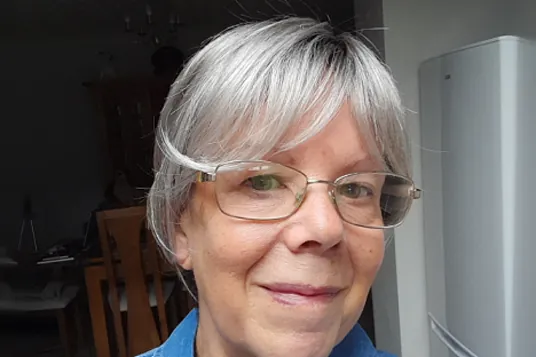
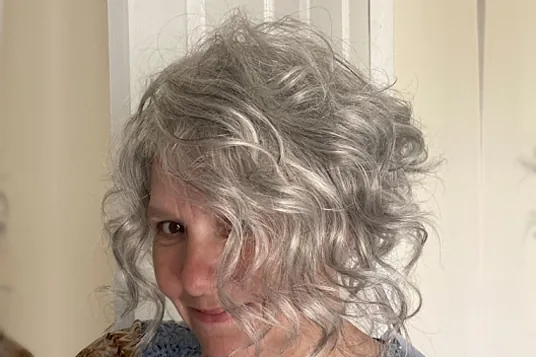
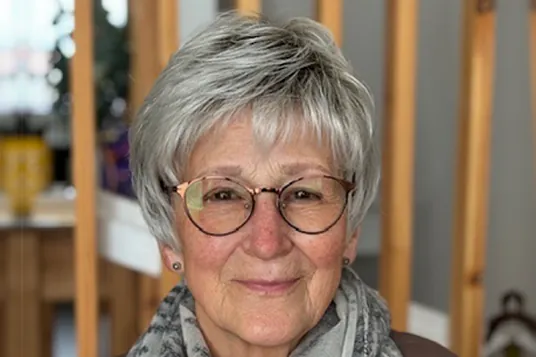
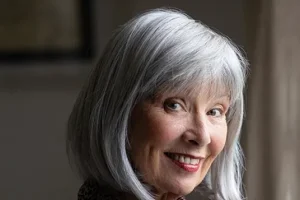

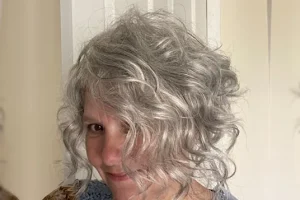
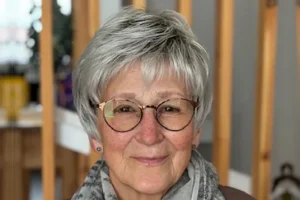
Grey is the colour question we’re asked most by customers over sixty, and there’s no wrong answer. Some women want their own grey back exactly; some want a softer version of it; some want the blonde or brunette they had at forty and see no reason to apologise. A wig is the one place you can change your mind without a salon appointment.
If you’re going grey, it helps to know the families. Salt and pepper is a dark base with grey threaded through it, the most natural look for women whose hair is still mostly dark. Silver is a lighter, cooler grey with shine, flattering on cool and neutral skin tones. Soft white and cream suit women whose hair has gone all the way, and look wonderful with a little warmth in the blend. Rooted grey has a darker root shading into lighter lengths and reads as the most realistic of all, because that’s how grey hair actually grows. Our grey wigs collection is sorted by shade, and When Should I Go Grey? is worth a read if you’re undecided.
If you’re not going grey, the same rule applies: choose a shade with a root or a blend. Our guide to matching wig colour to skin tone will help you narrow it down, and if you bring a photo of yourself at a colour you loved, we can usually find it.
The Best Wigs for Women in Their 50s
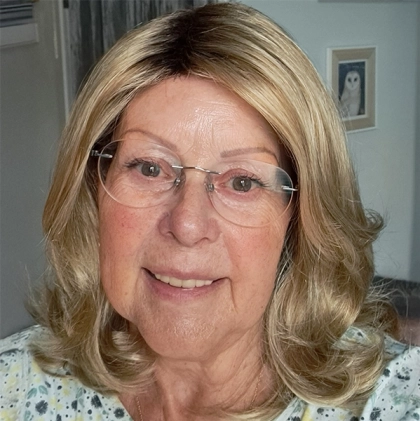
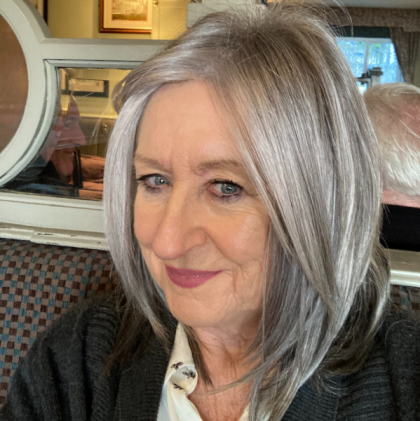
In your fifties you may be dealing with thinning and the first grey rather than full hair loss, and you’ll probably want a wig that looks like the hair you had, only better. Fuller styles with a rooted colour work well here because your face is used to volume.
The Carrie by Noriko is a customer favourite: shoulder-length with soft curl through the ends, a side-swept fringe and sixteen colours, several of them rooted. The Jackson, also by Noriko, is sleeker and shoulder-length with lift at the crown, and works beautifully over your own hair if you still have some. For blondes and brunettes who want colour rather than grey, the Sky has feathery layers and a range that runs from blonde through auburn.

The Best Wigs for Women in Their 60s
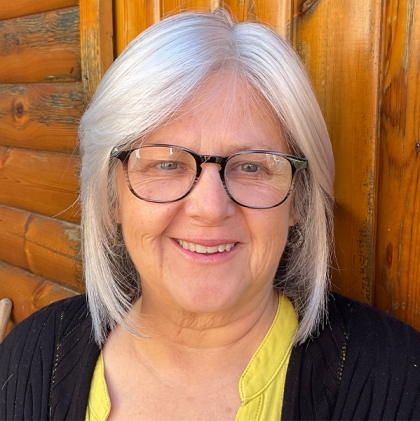
This is the decade our customers most often tell us they want less fuss, and the chin-length bob and the soft crop come into their own. Both frame the face, both need no styling, and both take a grey beautifully.
The Tempo 100 Deluxe by Ellen Wille is a sleek bob with side layers that sits just above the shoulders, in four greys as well as blonde and brown. The May by Noriko is a lighter bob with a side-swept fringe that draws the eye away from the hairline and feathered sides that won’t fight your glasses. If you’d like a fringe and the most natural hairline available, the Flip Mono by Ellen Wille is both lace front and monofilament, with a brow-level fringe cut ready to wear.


The Best Wigs for Women in Their 70s and Beyond
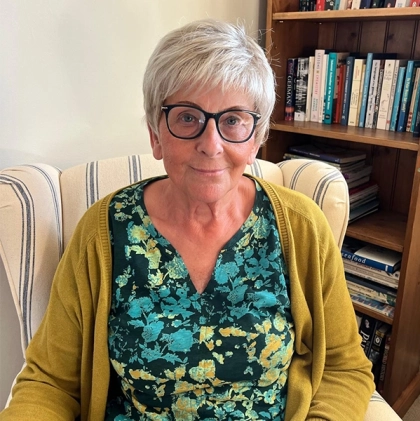
Lightness is everything: a light cap, a light density, and a style you can put on without a mirror. Short crops are the most popular choice, and the best of them are anything but severe.
The Winner by Raquel Welch is the wig we sell most to customers over seventy, for good reason: it comes in petite, average and large caps, in a huge colour range including greys and reds, and it looks the same every morning with a shake. The Kyu from Sentoo’s Premium collection is a soft short style available in nine shades of grey, from dark with brown tones to near white, so there’s almost certainly one that matches yours. If you’d rather keep some length, the Beau from Noriko is the exception worth making. It’s a layered chin-length cut that tapers to a short nape, and the cap ticks most of our checklist: a lace front for a natural hairline, a hand-tied monofilament parting on the left so the parting looks like your own scalp, and open wefts through the back to keep it light and cool. Velcro tabs at the nape adjust by up to half an inch, so you can set the fit once and leave it. The greys run from Silverstone to Snow White. It only comes in an average cap, so measure first if you’re on the petite side.
Making a Wig Look Natural at Any Age
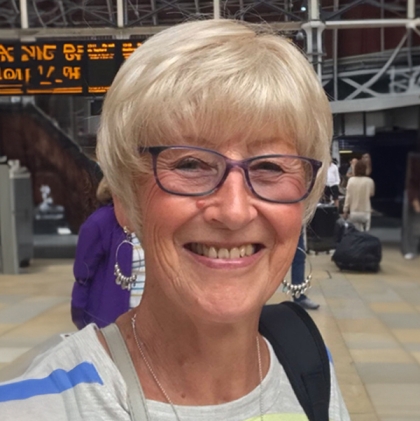
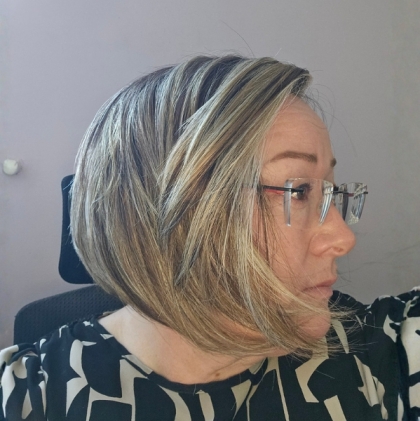
The wigs that look most natural on older women share a few things. The colour has depth and a little grey or root. The density is light enough for the face. The hairline is either a lace front or covered by a fringe. The sides are soft and sit close. And the wig has been trimmed to the wearer: a hairdresser thinning the ends and shaping the fringe makes more difference than any other single step, and it’s included in our wig services. Our step-by-step guide to making a wig look natural covers the rest, and if you’re new to all this, 15 Best Wigs for Beginners is a gentle place to start.
Choosing a Wig for an Elderly Parent or Relative
Quite a few of the people who ring us are choosing on someone else’s behalf: a mother in her eighties, an aunt in a care home, a neighbour after a hospital stay. If that’s you, the priorities are a little different, and it helps to know them.
Comfort first. A soft cap, a light density and a size that fits without gripping. Ask about petite caps. A liner underneath protects a delicate scalp.
No styling. Choose a pre-styled synthetic crop or short bob that looks right straight from the box. The Winner and the Kyu above are both good choices.
Easy on and off. Adjustable straps set once, no clips or tape needed, and nothing that needs a mirror.
Her colour, not yours. Take a photo of her current hair, or a lock of it, and match to that. A wig that’s close to her own grey is the one she’ll wear.
Keep it simple to wash. Synthetic fibre washes in cool water and dries on a stand overnight. Two identical wigs, one on and one drying, is the easiest routine for a care setting.
If the wig is needed because of hair loss from illness or treatment, it may qualify for VAT relief, and our Wig Bank can help if cost is a difficulty. Ring us on 01484 844557 and we’ll talk it through; we’ve done this many times and there’s no such thing as a silly question.
Our Picks at a Glance
| Wig | Brand | Best for | Cap | Why we chose it |
|---|---|---|---|---|
| Winner | Raquel Welch | 70s and beyond; choosing for a relative | Wefted; petite, average, large | Effortless crop, huge colour range, our most-sold wig over 70 |
| Kyu | Sentoo Premium | Matching your own grey | Lace front, monofilament; average | Nine shades of grey |
| Beau | Noriko | 70s and beyond; keeping some length | Lace front, mono part, open wefted; average | Layered chin-length cut, tapered nape, greys to Snow White, Velcro-adjustable fit |
| Tempo 100 Deluxe | Ellen Wille | 60s; a sleek bob | Lace front, monofilament, hand tied; average | Four greys plus blonde and brown; sits above the shoulder |
| May | Noriko | 60s; glasses wearers | Wefted; average | Light bob, side fringe, feathered sides |
| Flip Mono | Ellen Wille | Natural hairline with a fringe | Lace front, mono; average | Ready-cut fringe, part anywhere |
| Carrie | Noriko | 50s; length with softness | Wefted; average | Sixteen colours, several rooted |
| Jackson | Noriko | 50s; over your own hair | Wefted; average | Sleek shoulder length with crown lift |
| Sky | Noriko | Blondes and brunettes | Wefted; average | Feathery layers, wide colour range |
From Our Community
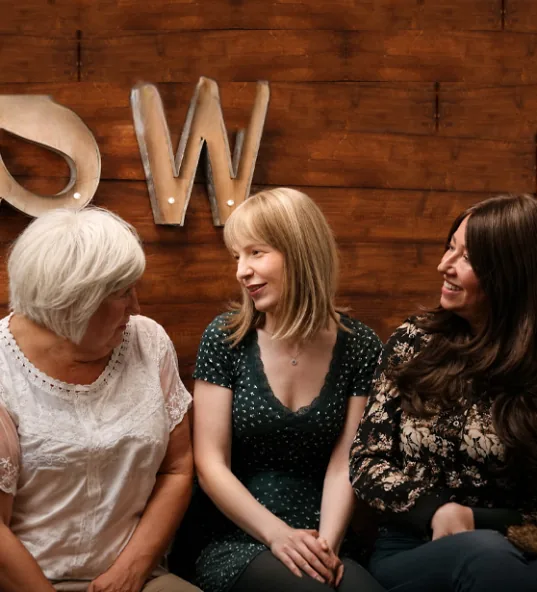
Carol wrote to ask which brand we’d recommend for lower density with a lace front for older customers. It’s the most common question we get from this age group, and the honest answer is that it depends on your face and your own hair, which is why we’d rather look at you than guess. As a starting point, the lighter-density lace front styles from Ellen Wille and Raquel Welch are where we’d begin. Carol, if you’re reading, ring us and we’ll narrow it down.
Roseann, who has worn wigs for fourteen years, put it best in a comment on another of our articles: people are just admiring your hair and wondering where you get it done. If you have a story or a tip of your own, we’d love to hear it.
Frequently Asked Questions
- What is the best wig for a woman over 60?
-
A light, pre-styled synthetic wig with a monofilament top and a lace front or fringe, in a light to medium density and a colour with some root or blend. Chin-length bobs and soft crops are the most popular with our customers over sixty because they need no styling. The Tempo 100 Deluxe, May and Winner are good places to start.
- Should older women wear short wigs?
-
Only if they want to. Short wigs are popular over sixty because they’re light, cool and easy, but a shoulder-length style with a soft fringe can be just as flattering. Choose for your face and your life, not your age.
- Grey wig or coloured wig?
-
Either. If you go grey, choose a rooted or blended grey rather than a flat one; it looks far more natural. If you’d rather keep the colour you had at forty, a wig is the one place you can do that without maintenance.
- Which wigs look most natural on older women?
-
Monofilament tops with lace fronts, light density, colour with depth, and a trim by a hairdresser to shape the fringe and thin the ends. Density matters more than most people expect.
- Do I need a petite cap?
-
Possibly. Heads are often slightly smaller in this age group and a petite cap can be the difference between a wig that sits and one that slips. Measure with our size guide before ordering.
- Which brands do low-density lace front wigs for older women?
-
Ellen Wille, Raquel Welch and Gisela Mayer all make lighter-density styles with lace fronts. The right one depends on your face and your own hair, so ring us or book an appointment and we’ll narrow it down.
- How do I choose a wig for my elderly mother?
-
Comfort, simplicity and her own colour. A soft, light, pre-styled synthetic crop or bob in a petite or average cap, matched to a photo of her hair, is the wig she’ll actually wear. Phone us and we’ll help.
- Is a wig too hot to wear all day?
-
Older synthetic wigs could be. Modern lace and open-wefted caps are much cooler, and a lightweight crop is barely warmer than your own hair. In summer, our guide to wearing wigs in warm weather has more tips.




Comments
No comments yet. Be the first!
Leave a Comment